
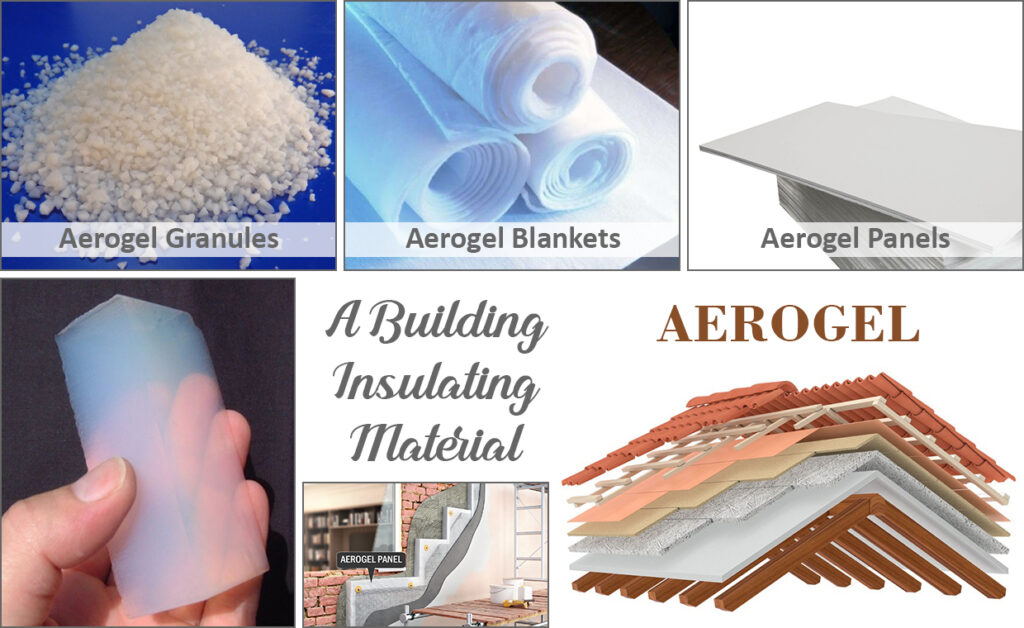
As the world grapples with climate change and increasing energy costs, new technologies are emerging to help reduce our carbon footprint. One such technology is aerogel, a lightweight yet incredibly efficient material that’s revolutionizing the way we insulate buildings.
What is Aerogel?
Aerogel, also known as “frozen smoke,” is made from silicon dioxide, carbon, and alumina, which are gelified in a solvent. The process of creating aerogel was first developed by Steven Kistler in 1931, but it wasn’t until NASA used it in astronaut suits that the material gained widespread recognition.
The unique properties of aerogel make it an attractive solution for building insulation. Its high porosity slows down heat transfer, resulting in an exceptionally low thermal conductivity. This means that aerogel can significantly reduce heat transfer and energy losses in buildings. However, its high cost – up to 10-15 times more expensive than traditional insulation materials – has limited its widespread adoption.
The Benefits of Aerogel
Aerogel is an extremely efficient insulator, with an index of thermal conductivity ranging from 0.005 to 0.015 W/mK. This means that it can significantly reduce heat transfer and energy losses in buildings. The benefits of using aerogel for building insulation include:
- Reduced energy consumption: By minimizing the thermal gap between the building envelope and the internal environment, aerogel can significantly reduce heat transfer and energy losses.
- Increased comfort: Aerogel’s high insulating properties ensure that indoor temperatures remain stable, reducing the need for heating and cooling systems.
- Carbon emissions reduction: By reducing energy consumption, aerogel can help minimize greenhouse gas emissions associated with building operations.
- Extended building lifespan: Aerogel’s durability and resistance to moisture, temperature fluctuations, and mechanical stress make it an attractive solution for building insulation.
How is Aerogel Made?
The production of aerogel involves gelifying silica in a solvent, followed by the elimination of the solvent, leaving behind a solid nanoporous material similar to “puffed sand.” The high porosity of aerogel slows down heat transfer, resulting in an exceptionally low thermal conductivity.
There are several methods used to produce aerogel, including:
- Sol-gel processing: This method involves gelifying silica in a solvent and then eliminating the solvent to create the aerogel material.
- Spray drying: This method involves spraying a solution of silica into a hot gas stream, which causes the water content to evaporate, leaving behind a solid aerogel material.
- Freeze-drying: This method involves freezing the gelified silica in liquid nitrogen and then removing the solvent through vacuum pumping.
Aerogel as Building Insulation
Today, aerogel is used in building insulation applications, such as walls, roofs, and floors. Its unique properties make it an attractive solution for reducing energy consumption and greenhouse gas emissions.
Aerogel can be applied to various building components, including:
- Walls: Aerogel can be blown into the wall cavity or sprayed onto the exterior surface of the wall.
- Roofs: Aerogel can be used as a roof insulation material, providing a high level of thermal resistance and reducing heat transfer.
- Floors: Aerogel can be applied to the floor deck or ceiling tile to provide insulation and reduce energy consumption.
The Future of Building Insulation
As concern about climate change grows, so does interest in innovative insulation materials like aerogel. Its potential to reduce energy costs and carbon emissions makes it an attractive solution for builders, architects, and homeowners.
In the coming years, we can expect to see more widespread adoption of aerogel as a building insulation material. This is driven by several factors, including:
- Government regulations: Governments around the world are implementing policies aimed at reducing greenhouse gas emissions, such as carbon pricing and building codes.
- Consumer demand: Homeowners and businesses are becoming increasingly interested in energy-efficient buildings that reduce their environmental impact.
- Technological advancements: Advances in aerogel production and application methods will make it more accessible and affordable for builders and homeowners.
Challenges and Opportunities
While aerogel offers many benefits, there are challenges associated with its production and use. For example:
- High cost: Aerogel is currently more expensive than traditional insulation materials, making it less competitive in the market.
- Limited availability: Aerogel is not widely available, which can make it difficult for builders to source.
- Environmental impact: The environmental impact of aerogel production is still being studied, and there are concerns about the potential for waste generation.
However, these challenges also present opportunities for innovation and growth. For example:
- Research and development: Efforts to improve aerogel production methods and reduce costs can help make it more competitive in the market.
- Sustainable materials: Aerogel’s unique properties make it an attractive solution for sustainable building materials that reduce waste and minimize ecological footprint.
Conclusion
Aerogel represents a significant breakthrough in building insulation technology. Its unique properties make it an attractive solution for reducing energy consumption and greenhouse gas emissions. As the world transitions towards a more sustainable future, aerogel is likely to play a key role in shaping the built environment of tomorrow.
Frequently Asked Questions (FAQs)
- What is the most common application of aerogel?
Aerogel is primarily used for building insulation, particularly in walls, roofs, and floors.
2. Is aerogel more expensive than traditional insulation materials?
Yes, aerogel can be up to 10-15 times more expensive than traditional insulation materials due to its high production costs.
3. How does aerogel compare to other natural insulation materials?
Aerogel has a unique combination of low thermal conductivity and high thermal resistance, making it an attractive solution for energy-efficient buildings.
4. What is the environmental impact of aerogel production?
The environmental impact of aerogel production is still being studied, but efforts are underway to reduce waste and minimize ecological footprint.
5. Can aerogel be used in combination with other insulation materials?
Yes, aerogel can be used in conjunction with other insulation materials, such as fiberglass or cellulose, to create a hybrid system that maximizes energy efficiency and cost savings.
6. What is the minimum thickness required for aerogel insulation?
The minimum thickness of aerogel insulation varies depending on the specific application and local building codes, but typically ranges from 10-20 mm.
7. Can aerogel be used in retrofit applications?
Yes, aerogel can be used in retrofit applications to insulate existing buildings, reducing energy consumption and greenhouse gas emissions.
8. How does aerogel compare to other insulation materials in terms of durability?
Aerogel has a high durability rating due to its resistance to moisture, temperature fluctuations, and mechanical stress.
Future Research Directions
As aerogel continues to gain traction as a building insulation material, there are several research directions that will help drive innovation and growth. These include:
- Improving production methods: Developing more efficient and cost-effective methods for producing aerogel can make it more accessible to builders and homeowners.
- Enhancing performance: Researching ways to improve the thermal conductivity and durability of aerogel can help increase its competitiveness in the market.
- Sustainable materials: Investigating the use of sustainable materials in aerogel production can reduce waste and minimize ecological footprint.
By addressing these research directions, we can unlock the full potential of aerogel as a building insulation material, driving innovation and growth in the built environment.


