
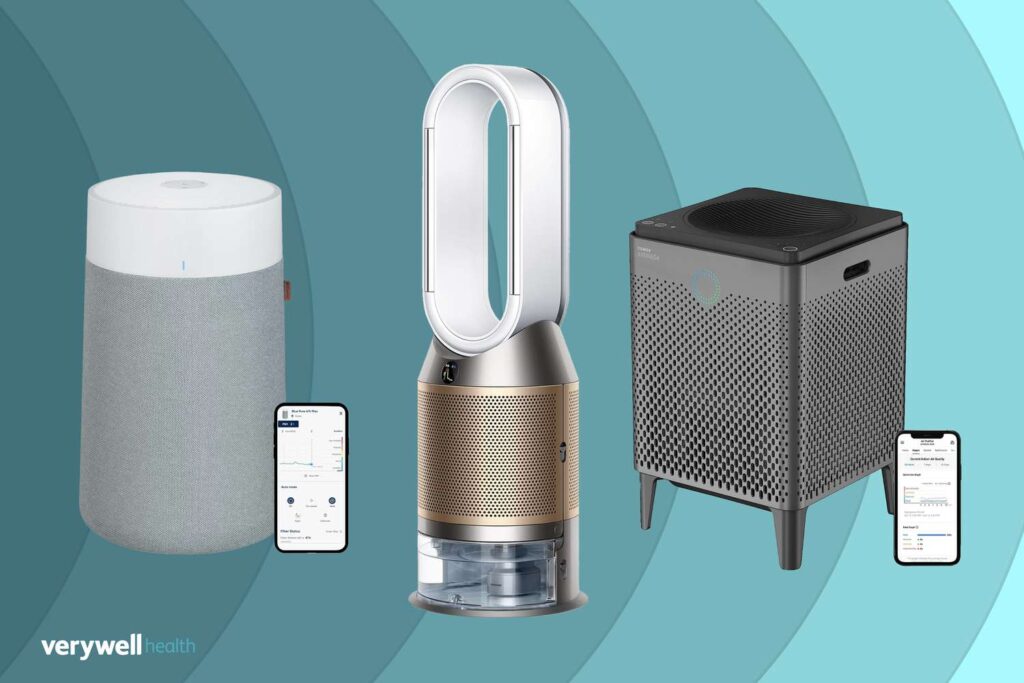
As we all know, clean air is essential for maintaining our overall health and well-being. However, indoor air pollution can have severe consequences on our respiratory system, skin, and other organs. One effective way to mitigate this issue is by using an air purifier. In this article, we will explore the various types of air purifiers available in the market, their features, and benefits, as well as provide tips on how to choose the right one for your home.
The Risks of Indoor Air Pollution
Before diving into the world of air purifiers, let’s understand the risks associated with indoor air pollution. According to the Environmental Protection Agency (EPA), indoor air pollutants can cause a range of health problems, including respiratory issues like asthma and allergies, as well as skin conditions like eczema.
What Are Air Purifiers?
Air purifiers are devices that remove pollutants and allergens from the air in your home. They work by using filters, such as activated carbon, HEPA (High Efficiency Particulate Air), or ionizers, to trap particles and gases, resulting in cleaner air for you to breathe.
Benefits of Using an Air Purifier
There are numerous benefits to using an air purifier:
- Improved Respiratory Health: By removing allergens, bacteria, viruses, and other pollutants from the air, air purifiers can help alleviate respiratory issues like asthma and allergies.
- Reduced Allergy Symptoms: Air purifiers can reduce symptoms of allergy by eliminating allergens like pollen, dust mites, and pet dander from the air.
- Prevention of Infections: By removing germs and bacteria from the air, air purifiers can help prevent illnesses and infections.
Choosing the Right Air Purifier for Your Home
When selecting an air purifier, consider the following factors:
- Room size: Choose an air purifier that is designed to cover your specific room size.
- Filter type: Different filters have varying levels of effectiveness against different pollutants. Activated carbon filters are good for removing odors and gases, while HEPA filters are effective against particulate matter.
Top Air Purifiers in the Market
Here are some top-rated air purifiers available in the market:
- Philips AC4012/10: This air purifier is designed to cover up to 160 square meters and has a filter that removes 99.9% of bacteria and 99% of particulate matter.
- Fellowes AeraMax DX5: This air purifier uses HEPA filters to capture 99.7% of particles as small as 0.3 microns, including dust, pollen, and pet dander.
- Bielmeier 280000 Purificatore aria HEPA: This air purifier has a filter that removes up to 99.9% of pollutants from the air and is designed for use in larger spaces.
Additional Features to Consider
When choosing an air purifier, consider additional features such as:
- CADR (Clean Air Delivery Rate): The CADR measures how much air the air purifier can clean per minute.
- Timer: Some air purifiers come with a timer that allows you to set the device to turn on and off automatically.
- Sensors: Some air purifiers come with sensors that detect pollutants in the air and adjust the device’s performance accordingly.
How Often Should I Replace the Filter in My Air Purifier?
Filter replacement depends on usage, but it’s recommended to change every 1-3 months for optimal performance. Failure to replace the filter regularly can lead to reduced effectiveness of the air purifier and potentially cause health problems.
Common Mistakes to Avoid When Choosing an Air Purifier
Here are some common mistakes to avoid when choosing an air purifier:
- Not considering room size: Choose an air purifier that is designed to cover your specific room size.
- Not selecting the right filter type: Activated carbon filters are good for removing odors and gases, while HEPA filters are effective against particulate matter.
In conclusion, choosing the right air purifier for your home can have a significant impact on your health and well-being. By understanding the risks of indoor air pollution and considering factors like room size and filter type, you can select an air purifier that meets your needs and provides clean, fresh air for years to come.


