
Maintaining healthy environments and protecting our breathing systems is crucial, especially in areas where we spend most of our time. One essential tool to consider is an air purifier for your home. This small yet effective device captures airborne pollutants, producing fresh and clean air that benefits not only those with allergies but also the general public.
However, with so many options available, selecting the right air purifier can be overwhelming. In this article, we’ll delve into the world of air purifiers, exploring their types, features, and benefits to help you make an informed decision for your home.
Understanding Air Purifiers
Air purifiers are designed to remove airborne pollutants, including dust, pollen, pet dander, and other allergens. They work by drawing in air through a filter or other mechanism, trapping the impurities before releasing clean air back into the environment. This process can have significant health benefits, particularly for individuals with respiratory issues.
The Importance of Choosing the Right Air Purifier
When selecting an air purifier, it’s essential to consider your specific needs and preferences. Here are a few factors to keep in mind:
- Allergies: If you or a family member suffers from allergies, look for an air purifier certified for allergens. These models can capture dust mites, pollen, and other common allergens.
- Room size: Consider the square footage of your home and choose an air purifier with a sufficient capacity to cover that space.
- Filter type: Different filters offer varying levels of effectiveness against specific pollutants. For example, HEPA filters are excellent at removing dust, pollen, and other particles.
- Additional features: Some air purifiers come equipped with additional features like ionizers, UV light, or smart sensors. While these may be beneficial, they may also increase the device’s cost.
Types of Air Purifiers
There are several types of air purifiers available on the market, each designed to address specific needs:
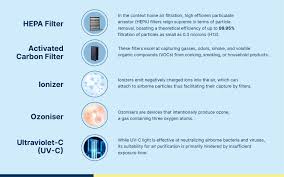
- HEPA Filters: High-Efficiency Particulate Air filters are capable of capturing 99.97% of particles as small as 0.3 microns.
- Activated Carbon Filters: These filters are effective against gases and odors, making them ideal for removing volatile organic compounds (VOCs).
- Ionizers: Ionizing air purifiers release negative ions that attract and trap airborne pollutants.
What to Look for When Choosing an Air Purifier
When selecting an air purifier, consider the following factors:
- Certifications: Look for certifications from reputable organizations like the Asthma & Allergy Foundation or the European Centre for Allergy Research.
- Filter replacement costs: Some air purifiers require frequent filter replacements, which can add to their overall cost.
- Noise level: If you plan to use the air purifier in a bedroom or living room, consider its noise level.
- Maintenance requirements: Some air purifiers require regular cleaning or maintenance to ensure optimal performance.
Common Air Purifier Features
Some air purifiers come equipped with additional features that can enhance their effectiveness:
- Ventilation modes: These modes allow you to control the airflow direction and speed, ensuring the device is operating at its most efficient level.
- Smart sensors: Some air purifiers feature smart sensors that detect pollutant levels and adjust the device’s performance accordingly.
Choosing the Right Air Purifier for Your Needs
With so many options available, selecting the right air purifier can be overwhelming. By considering your specific needs and preferences, you can find an air purifier that effectively addresses your concerns while also meeting your budget requirements.
Here are a few additional questions to consider:
- What are your primary concerns regarding indoor air quality?
- How much space do you need to cover with the air purifier?
- Are there any specific features or certifications you’re looking for in an air purifier?
Frequently Asked Questions
Q: What is the most effective type of filter for removing allergens?
A: HEPA filters are highly effective at capturing 99.97% of particles as small as 0.3 microns.
Q: How often should I replace the filter in my air purifier?
A: The frequency of filter replacement varies depending on the device and usage, but generally, it’s recommended to replace every 6-12 months.
Q: Can air purifiers remove VOCs?
A: Yes, activated carbon filters are effective against gases and odors, making them ideal for removing volatile organic compounds (VOCs).
Q: How do I choose the right room size for my air purifier?
A: To determine the correct room size, consider the square footage of your home and choose an air purifier with a sufficient capacity to cover that space.
Q: Are there any additional features or certifications you’re looking for in an air purifier?
A: Consider certifications from reputable organizations like the Asthma & Allergy Foundation or the European Centre for Allergy Research, as well as features like smart sensors or ventilation modes.


