
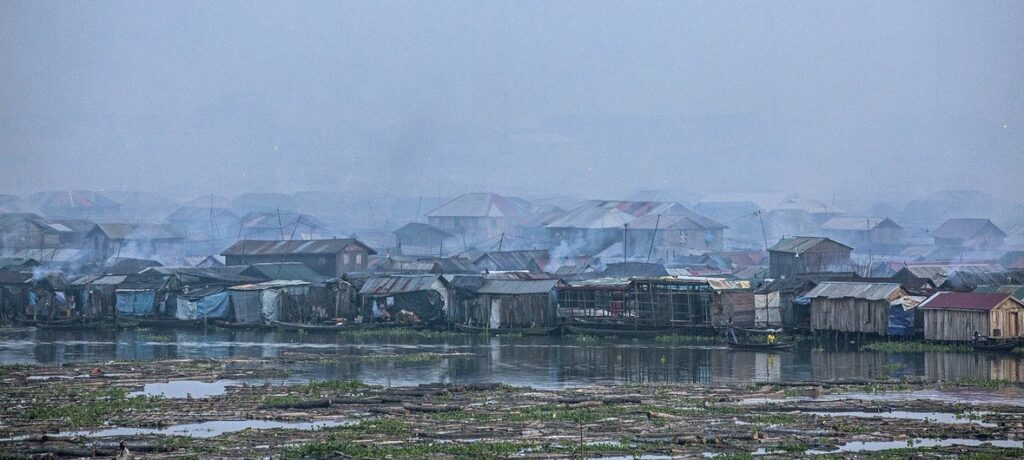
As the world grapples with the devastating effects of air pollution, a stark reality is unfolding. Every five seconds, someone dies due to poor air quality, claiming the lives of over seven million people annually, including 600,000 children. This alarming rate of mortality is a testament to the silent killer that air pollution poses on human health.
The Silent Enemy: Air Pollution’s Hidden Dangers
Air pollution is no longer just an environmental issue; it has become a public health crisis. The World Health Organization (WHO) warns that air pollution is responsible for a significant portion of respiratory diseases, cancer, and cardiovascular diseases. In fact, the WHO estimates that 7 million premature deaths occur every year due to poor air quality. This staggering number highlights the need for immediate action to address this growing threat.
The Human Cost: Air Pollution’s Impact on Vulnerable Populations
The consequences of air pollution are not limited to just economic losses; it also has a disproportionate impact on vulnerable populations such as children and the elderly. Women are also disproportionately affected by air pollution, with higher exposure levels than men. Moreover, the majority of deaths due to air pollution occur in low- and middle-income countries, where access to clean air is already scarce.
The Legal Framework: Why Air Pollution Remains Unchecked
Despite the growing awareness of air pollution’s devastating effects, many governments fail to enforce laws that protect citizens’ right to clean air. According to David Boyd, a UN expert on human rights and environment, “the world is facing a sixth mass extinction event due to human activities.” The lack of action is staggering, considering that 155 countries have ratified the right to a healthy environment.
The Root Causes: Understanding Air Pollution
So, what causes air pollution? According to Boyd, it is largely due to the burning of fossil fuels for electricity, transportation, and heating, as well as industrial activities, poor waste management, and agricultural practices. Indoor air pollution also remains a significant concern, particularly in developing countries where millions of families cook on open fires or use outdated stoves.
The Solution: Taking Collective Action
So, what can be done to address this crisis? Boyd emphasizes that governments must take collective action to address the root causes of air pollution. This includes:
- Controlling air quality through regulations and monitoring systems
- Identifying sources of pollution and holding them accountable
- Informing the public and involving them in decision-making processes
- Establishing clear limits on pollution and enforcing these limits
- Developing and implementing effective plans for reducing emissions
- Allocating sufficient resources to support these efforts
Investing in a Cleaner Future
The good news is that there are many solutions that can be implemented at a relatively low cost. For example, investing $4.7 billion annually could ensure universal access to clean cooking technologies by 2030. According to the UN, this investment would prevent millions of premature deaths every year and have a significant impact on public health, economic growth, and environmental sustainability.
Examples of Success: Lessons from Around the World
Fortunately, there are many examples of countries that have successfully addressed indoor air pollution. Indonesia, for instance, has implemented programs to help low-income families switch to cleaner cooking technologies, resulting in improved health outcomes for millions of people. Other countries such as India and China have also made significant strides in reducing air pollution through policy changes and technological innovations.
A Call to Action: Saving Our Planet’s Future
The data is clear: we must change course. A healthy environment is not just a human right; it is essential for the survival of our planet. We can no longer afford to ignore the devastating effects of air pollution and its disproportionate impact on vulnerable populations. It is time for governments, industries, and individuals to take collective action to protect our planet’s future.
The Role of Individuals: Making a Difference
Individuals can make a significant difference in addressing air pollution by adopting cleaner lifestyles, supporting organizations that work on air pollution issues, and advocating for policies that protect the environment. Some simple actions include:
- Using public transport or carpooling
- Cycling or walking instead of driving
- Reducing meat consumption to lower greenhouse gas emissions
- Supporting renewable energy sources
- Reducing energy consumption by using energy-efficient appliances
The Impact on Economic Growth
Air pollution has significant economic implications, from lost productivity due to air quality-related illnesses to the costs of treating and managing respiratory diseases. According to a study by the WHO, every dollar invested in improving air quality generates up to $20 in health benefits.
Conclusion: A Collective Responsibility
In conclusion, air pollution is a silent killer that poses significant threats to human health and the environment. It is essential for governments, industries, and individuals to take collective action to address this crisis. By working together, we can create a healthier future for ourselves and future generations.
Frequently Asked Questions
- What are the main causes of air pollution?
Air pollution is caused by a combination of factors, including fossil fuel combustion, industrial activities, poor waste management, and agricultural practices. - How many people die every year due to air pollution?
According to the WHO, 7 million premature deaths occur annually due to poor air quality. - Who are most affected by air pollution?
Vulnerable populations such as children, the elderly, and women are disproportionately affected by air pollution. - What can governments do to address air pollution?
Governments must take collective action to address the root causes of air pollution, including controlling air quality, identifying sources of pollution, and implementing effective plans for reducing emissions. - How much would it cost to invest in clean cooking technologies?
Investing $4.7 billion annually could ensure universal access to clean cooking technologies by 2030 and prevent millions of premature deaths every year. - What are some examples of successful initiatives addressing indoor air pollution?
Countries such as Indonesia have implemented programs to help low-income families switch to cleaner cooking technologies, resulting in improved health outcomes for millions of people. - Why is it essential to address air pollution?
Addressing air pollution is essential for protecting public health, economic growth, and environmental sustainability. - What can individuals do to contribute to addressing air pollution?
Individuals can make a difference by adopting cleaner lifestyles, supporting organizations that work on air pollution issues, and advocating for policies that protect the environment.
References:
- World Health Organization (2018). Air Pollution. Retrieved from https://www.who.int/news-room/fact-sheets/detail/air-pollution
- United Nations Environment Programme (2020). Indoor Air Pollution. Retrieved from https://www.unep.org/resources/publication indoor-air-pollution
- David Boyd (2019). The Human Rights of Nature. Routledge.
- World Health Organization (2020). WHO Framework Convention on Tobacco Control. Retrieved from https://www.who.int/tobacco/fctc/en/


