
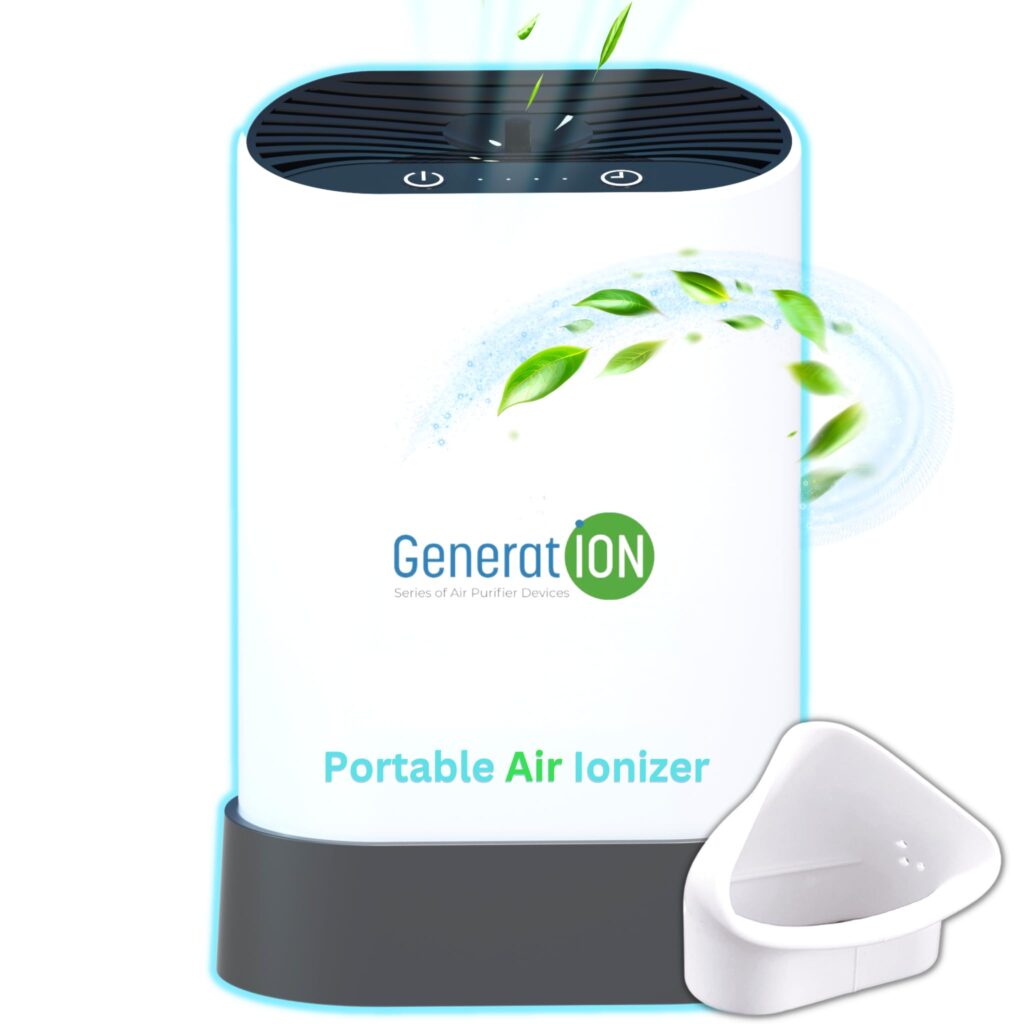
Are you tired of breathing in polluted indoor air? Do you struggle with allergies, fatigue, and irritability? You’re not alone. The air we breathe indoors can be a major source of stress and discomfort, but there’s a simple solution that can make all the difference: air purifiers.
In this article, we’ll explore the world of negative ions and how air purifiers use them to improve indoor air quality. We’ll also delve into the science behind negative ions, discuss the benefits of using an ionizer, and provide tips for choosing the right device for your needs.
What are Negative Ions?
Negative ions are atoms or molecules that have gained an extra electron, resulting in a negative charge. They’re an essential part of the natural world, found in nature’s most beautiful landscapes, from waterfalls to beaches to forests. When we breathe in negative ions, they can have a profound impact on our physical and mental well-being.
Why Do We Need Negative Ions?
The air we breathe indoors is often filled with pollutants, allergens, and toxins that can harm our health. But did you know that the natural balance of negative and positive ions can be disrupted by human activities? This imbalance can lead to a range of problems, including:
- Respiratory issues: Asthma, allergies, and other breathing difficulties
- Mood disorders: Anxiety, depression, and fatigue
- Cognitive impairment: Difficulty concentrating and memory problems
The Ideal Balance
So, what’s the ideal balance between negative and positive ions in our indoor air? According to scientists, the perfect ratio is around 60% negative ions and 40% positive ions. However, due to human activities like industrial pollution, vehicle emissions, and energy consumption, this natural balance can be disrupted.
In fact, studies have shown that indoor air quality is often poorer than outdoor air quality, with concentrations of negative ions as low as 100 per cubic meter (cm³). This means we need a device that can help restore the balance and improve indoor air quality.
The Science Behind Ionizers
Ionizers work by generating negative ions through an electric field. These ions are then released into the air, where they interact with pollutants and allergens. The result is a cleaner, healthier breathing environment.
But not all ionizers are created equal. Some devices can produce ozone, a toxic gas that’s harmful to human health. When choosing an ionizer, look for one that meets strict safety standards, such as an emission level of less than 0.1 parts per million (ppm).
How Ionizers Work
Ionizers typically use one of two methods to generate negative ions:
- Corona Discharge: This method uses a high-voltage electrical discharge to create negative ions.
- Cold Plasma: This method uses a gas plasma to create negative ions.
Both methods are effective, but the choice between them depends on your specific needs and preferences.
Plant-Based Solutions
Before turning to an air purifier, you might consider using plants to help restore the balance. Certain species like peace lilies and spider plants are natural air cleaners, capable of absorbing pollutants and releasing negative ions.
However, while plants can be effective, they may not be enough on their own. This is where an air purifier comes in – a device specifically designed to improve indoor air quality through the power of negative ions.
Benefits of Using An Ionizer
Using an ionizer can have numerous benefits for your health and well-being. Some of these include:
- Improved Respiratory Health: Negative ions can help reduce inflammation and improve lung function.
- Reduced Stress: The calming effect of negative ions can help reduce stress and anxiety.
- Boosted Immune System: Negative ions can stimulate the immune system, helping to fight off illnesses.
- Increased Energy: Negative ions can increase oxygen flow in the body, leaving you feeling more energized and refreshed.
Tips for Choosing the Right Air Purifier
With so many options available, choosing the right air purifier can be overwhelming. Here are some tips to consider:
- Look for devices that produce ozone-free ionization
- Check the safety standards and certifications (e.g., UL, ETL)
- Consider the device’s coverage area and airflow rate
- Read reviews and ask for recommendations from friends or family members
- Check the warranty and customer support offered by the manufacturer
Types of Air Purifiers
There are several types of air purifiers available, each with its own unique features and benefits. Some popular options include:
- HEPA Filters: These filters capture 99.97% of particles as small as 0.3 microns, including dust, pollen, and other allergens.
- UV Light Purifiers: These devices use ultraviolet light to kill bacteria, viruses, and other microorganisms.
- Ionizers: As discussed earlier, ionizers generate negative ions through an electric field.
- Hybrid Devices: Some air purifiers combine multiple technologies, such as HEPA filters and UV light purification.
Maintenance and Upkeep
To ensure optimal performance from your air purifier, regular maintenance is essential. Here are some tips:
- Check the filter regularly and replace it according to the manufacturer’s instructions
- Clean the device with a soft cloth or brush to remove dust and debris
- Refer to the user manual for specific maintenance instructions
Conclusion
Negative ions have the power to transform our indoor air quality, improving our physical and mental well-being. By understanding the science behind ionizers and choosing the right device for your needs, you can breathe easy knowing that your home is a healthier place.
FAQs
- What are negative ions?
Negative ions are atoms or molecules with an extra electron, resulting in a negative charge. - Why do we need negative ions?
Negative ions help restore the balance of negative and positive ions in our indoor air, improving respiratory health and reducing stress. - How do ionizers work?
Ionizers generate negative ions through an electric field, releasing them into the air to interact with pollutants and allergens. - What is ozone-free ionization?
Ozone-free ionization refers to devices that produce minimal or no ozone emissions. - Can plants help improve indoor air quality?
Yes, certain plant species like peace lilies and spider plants are natural air cleaners, capable of absorbing pollutants and releasing negative ions. - How often should I clean my air purifier?
Regularly check your device’s filter and perform routine cleaning to ensure optimal performance. - Can ionizers be used in conjunction with other air purification methods?
Yes, many devices allow you to combine multiple air purification techniques for maximum effectiveness. - What is the ideal balance between negative and positive ions?
The perfect ratio of negative to positive ions is around 60:40, but this can vary depending on individual needs and circumstances.
By understanding the power of negative ions and choosing the right device for your needs, you can breathe easy knowing that your home is a healthier place.


