
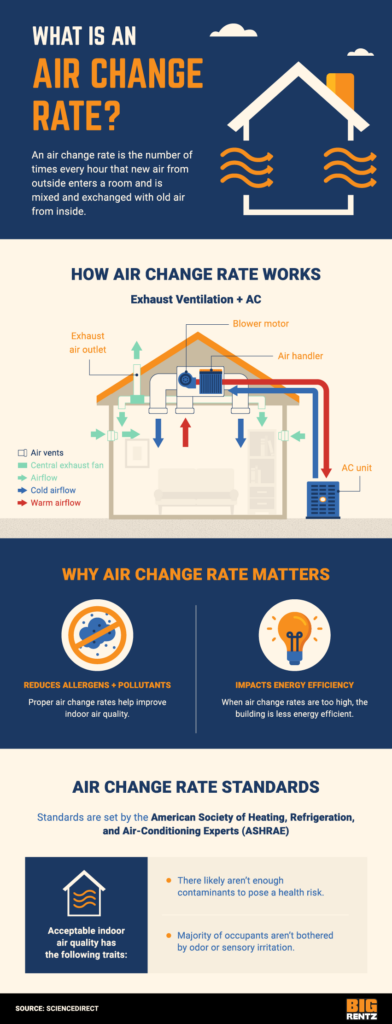
Understanding the Importance of Air Exchange
Air exchange is a crucial aspect of maintaining a healthy and comfortable indoor environment. It refers to the process of exchanging stale air with fresh air, which helps to remove pollutants, reduce humidity, and prevent the growth of mold and mildew. In this article, we will explore the importance of air exchange, discuss various methods for achieving it, and provide guidance on selecting the right equipment.
Benefits of Air Exchange
Air exchange offers several benefits, including:
- Removing pollutants and particulate matter from the air
- Reducing humidity and preventing mold growth
- Preventing the spread of airborne diseases
- Enhancing indoor air quality
These benefits are essential for maintaining a healthy and comfortable living or working space. By exchanging stale air with fresh air, we can improve indoor air quality, reduce health risks, and create a more pleasant environment.
Methods for Achieving Air Exchange
There are several methods for achieving air exchange, including:
- Natural Ventilation: This involves opening windows and doors to allow fresh air to enter and stale air to escape.
- Mechanical Ventilation: This involves using fans or blowers to circulate air and remove pollutants.
- Heat Recovery Ventilation (HRV): This involves recovering heat from exhaust air and transferring it to fresh air entering the building.
Natural Ventilation Methods
Natural ventilation methods involve using windows, doors, and other openings to allow fresh air to enter and stale air to escape. Some common natural ventilation methods include:
- Simple Window Operation: Opening windows for short periods of time to exchange air.
- Double-Hung Windows: Using double-hung windows with operable sashes to improve ventilation.
- Window-Door Configurations: Configuring windows and doors to create a pressure difference that enhances ventilation.
Mechanical Ventilation Methods
Mechanical ventilation methods involve using fans or blowers to circulate air and remove pollutants. Some common mechanical ventilation methods include:
- Ceiling Fans: Using ceiling fans to improve air circulation.
- Floor Fans: Using floor fans to enhance air exchange in low-ceiling spaces.
- Whole-House Ventilation Systems: Installing whole-house ventilation systems that provide continuous airflow.
Heat Recovery Ventilation (HRV) Systems
HRV systems involve recovering heat from exhaust air and transferring it to fresh air entering the building. Some common HRV systems include:
- Recovery Coils: Using recovery coils to capture heat from exhaust air.
- Heat Exchangers: Using heat exchangers to transfer heat between exhaust and fresh air streams.
Choosing the Right Equipment
When selecting equipment for air exchange, consider factors such as airflow rates, filter sizes, and humidity levels. Some common equipment options include:
- Fans: Choosing fans that provide sufficient airflow rates.
- Filters: Selecting filters that capture particles and pollutants effectively.
- Humidistats: Using humidistats to regulate humidity levels.
Frequently Asked Questions (FAQs)
Here are some frequently asked questions about air exchange:
- What is the most effective way to achieve air exchange?
- The most effective method will depend on the specific building and climate.
- How often should I open windows for natural ventilation?
- The frequency of opening windows depends on various factors, including weather conditions and building usage patterns.
- What are the benefits of using a Heat Recovery Ventilation (HRV) system?
- HRV systems can recover heat from exhaust air and transfer it to fresh air entering the building, improving overall efficiency.
- How do I choose the right equipment for my air exchange needs?
- Consider factors such as airflow rates, filter sizes, and humidity levels when selecting equipment.
Best Practices
To achieve optimal air exchange, consider the following best practices:
- Regularly inspect and maintain ventilation systems to ensure they are functioning correctly.
- Balance indoor and outdoor temperatures to minimize heat loss and gain.
- Use humidistats to regulate humidity levels in your building.
- Consider implementing a whole-house ventilation system for continuous airflow.
Maintenance and Replacement
Regular maintenance is essential to ensuring that air exchange equipment functions correctly. Here are some tips:
- Schedule regular filter replacements to ensure they capture particles effectively.
- Clean or replace fans as needed to maintain optimal airflow rates.
- Check humidistats regularly to ensure they are functioning correctly.
- Consider hiring a professional to inspect and maintain ventilation systems.
Conclusion
Air exchange is a crucial aspect of maintaining a healthy and comfortable indoor environment. By understanding the importance of air exchange, exploring various methods for achieving it, and selecting the right equipment, you can improve indoor air quality and create a more pleasant living or working space.


