
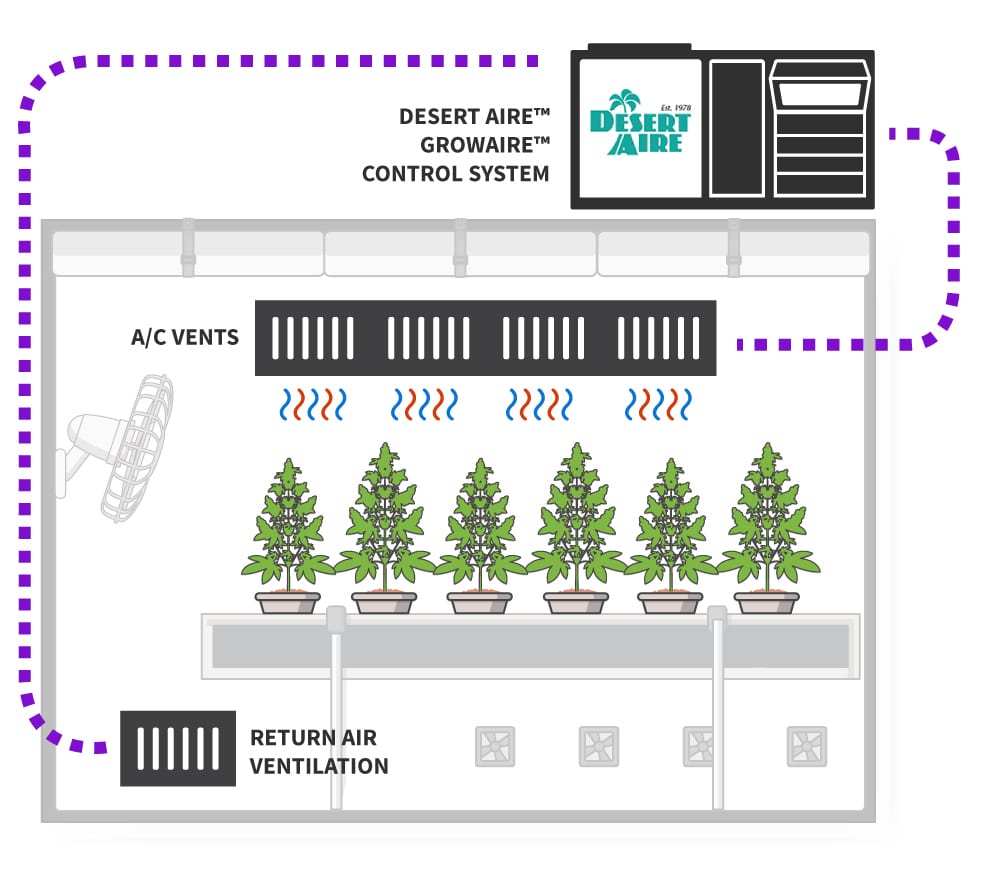
What is Indoor Plant Cultivation?
Indoor plant cultivation refers to the process of growing plants in a controlled environment, such as a home or office. This type of cultivation requires careful attention to various factors, including air control, temperature, humidity, and light.
In indoor plant cultivation, the goal is to create an optimal environment that allows plants to grow and thrive. This can be achieved by controlling the variables that affect the quality of the air, such as temperature, humidity, and CO2 levels. By understanding the importance of air control in indoor plant cultivation, we can take steps to improve the health and well-being of our plants.
Why is Air Control Important?
In outdoor cultivation, the weather plays a significant role in determining the health of plants. However, in indoor cultivation, the air quality and conditions are entirely within our control. This means that we can ensure optimal growing conditions for our plants by controlling the air.
The quality of the air in an indoor growing space is crucial because it affects the overall health and well-being of the plants. If the air is not properly ventilated, it can lead to a buildup of CO2, which can cause plants to become stressed and weak. On the other hand, if the air is too dry or too cold, it can also harm the plants.
Understanding Air Control in Indoor Plant Cultivation
So, what exactly does air control entail in indoor plant cultivation? It involves regulating the variables that affect the quality of the air, such as temperature, humidity, and CO2 levels. This requires using specialized equipment, such as fans and humidifiers, to maintain optimal growing conditions.
Air control is a critical aspect of indoor plant cultivation because it can have a significant impact on plant health and productivity. By controlling the variables that affect the quality of the air, we can create an environment that allows plants to grow and thrive.
The Role of Air Circulation
Air circulation plays a critical role in maintaining optimal growing conditions. When air circulates properly, it helps to remove excess heat and moisture from the environment, which can help prevent fungal diseases and pest infestations.
There are several types of fans that can be used for air circulation in indoor plant cultivation, including:
- Exhaust fans: These fans draw hot air out of the growing space and replace it with fresh air.
- Intake fans: These fans bring in fresh air from outside to the growing space.
- Recirculation fans: These fans circulate the air within the growing space, helping to remove excess heat and moisture.
The Importance of Temperature Control
Temperature control is also a critical aspect of indoor plant cultivation. Most plants thrive in temperatures between 65°F and 75°F (18°C and 24°C). However, some plants require more extreme temperature ranges.
To maintain optimal temperature conditions, it’s essential to use heating and cooling systems that can be precisely controlled. This can include using thermostats, humidifiers, and dehumidifiers to regulate the temperature and humidity levels in the growing space.
Common Challenges Faced by Indoor Plant Cultivators
Despite our best efforts, indoor plant cultivators often face challenges related to air control, such as:
- Poor air circulation: This can lead to a buildup of heat and moisture, which can harm plants.
- Inadequate temperature control: This can cause plants to become stressed or even die.
- Insufficient CO2 levels: This can prevent plants from producing energy and growing properly.
Overcoming Common Challenges
To overcome these challenges, indoor plant cultivators can use a variety of strategies, including:
- Using high-quality fans and humidifiers: These devices can help improve air circulation and maintain optimal humidity levels.
- Investing in advanced temperature control systems: These systems can provide precise control over temperature and humidity levels.
- Monitoring CO2 levels regularly: This can help ensure that plants are receiving sufficient CO2 for optimal growth.
Tips for Improving Air Control in Your Indoor Garden
Here are some tips for improving air control in your indoor garden:
- Use a dehumidifier to remove excess moisture from the air: This can help prevent fungal diseases and pest infestations.
- Invest in an exhaust fan to remove hot air from the growing space: This can help maintain optimal temperature conditions.
- Use a thermostat to regulate temperature levels: This can ensure that plants receive consistent temperatures throughout the day.
Best Practices for Air Control
Here are some best practices for air control in indoor plant cultivation:
- Regularly clean and maintain fans and humidifiers: This can help prevent the buildup of dust and bacteria.
- Monitor temperature and humidity levels regularly: This can help ensure that plants receive optimal growing conditions.
- Use a CO2 meter to monitor CO2 levels: This can help ensure that plants are receiving sufficient CO2 for optimal growth.
Conclusion
Indoor plant cultivation requires careful attention to various factors, including air control. By understanding the importance of air circulation and controlling the variables that affect the quality of the air, we can create an environment that allows plants to grow and thrive.
Whether you’re a seasoned indoor plant cultivator or just starting out, implementing these tips and strategies can help improve air control in your indoor garden and lead to healthier, happier plants.


