
When the tropical heat sets in, and the air feels oppressive, it’s time to break out the trusty air conditioner. But with the rising energy bills that come with it, it’s essential to optimize your AC usage to avoid hitting the roof. In this article, we’ll delve into 10 expert tips from the Agenzia per l’Efficienza Energetica (EEA) on how to make the most of your air conditioner while minimizing its environmental impact.
Tip #1: Choose an Energy-Efficient Model
When buying a new air conditioner, look for one with an energy efficiency rating of A or higher. These models consume less energy but provide better cooling performance. While they may cost more upfront, the long-term savings will be worth it. Consider factors such as SEER (Seasonal Energy Efficiency Ratio) and HSPF (Heating Seasonal Performance Factor) to ensure you’re getting an efficient model.
Tip #2: Opt for an Inverter Model
Inverter technology allows your AC to adjust its power output according to the cooling demand in your home. This results in reduced energy consumption and fewer cycles of on-and-off operation. It’s a simple yet effective way to save energy and reduce wear and tear on your AC. Look for models with high-inverter efficiency ratings, such as those with SEER above 20.
Tip #3: Take Advantage of Incentives
If you’re planning to replace your old air conditioner with an energy-efficient one, you might be eligible for incentives like the Ecobonus or ‘conto termico’. These programs offer tax credits or discounts that can help offset the cost of installation. Be sure to check with your local authorities to see what benefits are available in your area. Additionally, many utility companies and government agencies offer rebates for energy-efficient appliances.
Tip #4: Proper Installation is Key
Where you place your air conditioner can significantly impact its performance and energy efficiency. Mount it on a wall, ideally above 2 meters off the ground, to allow for better airflow and prevent warm air from rising into the cooled space. Ensure that the installation meets local building codes and regulations.
Tip #5: One Air Conditioner per Room is Essential
Installing a single, high-capacity AC unit in your entire home can lead to ineffective cooling and uneven distribution of cool air. Each room requires its own dedicated AC unit to ensure consistent temperatures throughout the day. Consider factors such as room size, insulation, and window orientation when selecting the right capacity for each room.
Tip #6: Close Doors and Windows to Enhance Cooling
It may seem counterintuitive, but closing doors and windows during peak cooling hours can actually help improve your AC’s efficiency. This is because it prevents warm air from entering your home while allowing cooled air to circulate freely. Use weatherstripping or caulk to seal gaps around windows and doors.
Tip #7: Protect Your Tubing and Outdoor Units
Exposing your AC’s tubing and outdoor unit to direct sunlight or harsh weather conditions can cause damage or corrosion over time. Make sure to cover the outdoor unit with a protective grille or mesh, and coibentate the tubing to prevent damage from insects and debris.
Tip #8: Don’t Over-Chill Your Home
Maintaining a temperature 2-3 degrees lower than outside can help reduce cooling costs while still providing comfortable indoor temperatures. Additionally, activating your AC’s dehumidification feature can also contribute to a more pleasant indoor climate. Consider installing a smart thermostat or using a programmable timer to optimize your AC usage.
Tip #9: Use Timers and Smart Controls for Optimal Performance
Adjusting the timing of your air conditioner’s operation using a timer or smart controls can help minimize energy waste. By running the AC only when needed, you can reduce standby power consumption and save money on your utility bills. Consider installing a smart thermostat with features like geofencing or auto-learning to optimize your AC usage.
Tip #10: Regular Maintenance is Crucial for Peak Efficiency
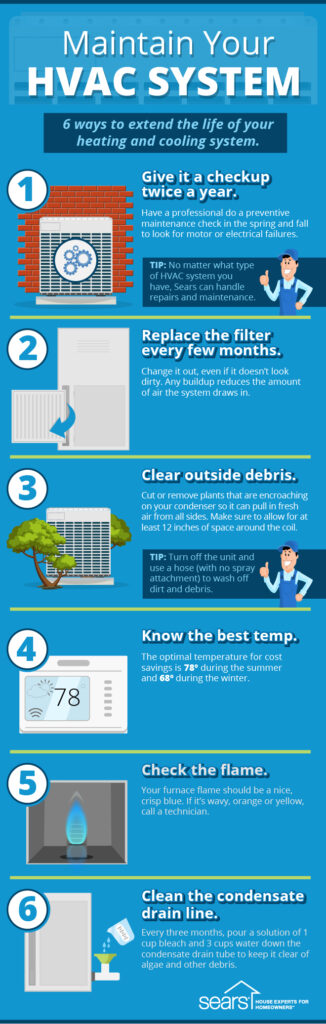
Regularly cleaning and maintaining your air conditioner’s filters and vents can significantly improve its performance and efficiency. Failing to do so can lead to reduced airflow, increased energy consumption, and decreased system lifespan. Schedule regular maintenance with a professional technician to ensure your AC runs at peak efficiency.
By following these expert tips from the EEA, you’ll be well on your way to creating a more efficient and comfortable home cooling environment while minimizing your carbon footprint. Remember to always consult with a professional for personalized advice on optimizing your air conditioner’s performance.
Frequently Asked Questions (FAQs)
Q: What is the average cost of an energy-efficient air conditioner?
A: The cost of energy-efficient AC units can vary depending on the model, size, and features. However, on average, you can expect to pay between $1,000 to $3,000 for a high-efficiency unit.
Q: How often should I clean my air conditioner’s filters?
A: It’s recommended to clean or replace your air conditioner’s filters every 1-3 months, depending on usage and environmental conditions. Regular maintenance can help extend the lifespan of your AC and improve its performance.
Q: Can I install an energy-efficient air conditioner myself?
A: While it’s possible to install a basic air conditioner yourself, it’s highly recommended to hire a professional for complex installations or if you’re unsure about the process. Improper installation can lead to reduced efficiency, increased energy consumption, and decreased system lifespan.
Q: What is the most effective way to reduce my energy consumption with an air conditioner?
A: Using a timer or smart control device can help minimize standby power consumption and optimize your AC’s performance. Additionally, installing an energy-efficient AC unit with high-inverter efficiency ratings can also contribute to reduced energy consumption.
Q: Can I use my air conditioner during off-peak hours to save energy?
A: While using your air conditioner during off-peak hours might seem like a good idea, it can actually increase energy consumption. Always check with your local utility company for specific guidelines on peak and off-peak usage, as some utilities may offer special rates or programs for off-peak energy usage.
Q: How long does an energy-efficient air conditioner typically last?
A: The lifespan of an energy-efficient air conditioner can vary depending on the model, quality, and maintenance. On average, you can expect to get 10-20 years or more out of a well-maintained unit. Regular maintenance and proper installation can help extend the lifespan of your AC.
Q: Are there any tax credits or incentives available for installing energy-efficient air conditioners in my area?
A: Check with your local government or utility company to see if they offer any incentives or programs for energy-efficient AC installations. Some utilities may also offer rebates or discounts for customers who install energy-efficient appliances.


