
As the sun beats down and days grow longer, the desire to install a home air conditioning system becomes more pressing. However, concerns about energy consumption and increased utility bills can be daunting. Fear not! This article will provide you with practical tips on how to choose, install, and operate an efficient home air conditioning system, ensuring a cool and comfortable indoor environment without breaking the bank.
Understanding Home Air Conditioning Installation
Installing a home air conditioning system requires careful planning and consideration of various factors. While it may seem like a straightforward process, incorrect installation can lead to premature device failure, reduced performance, and increased energy consumption. To avoid these issues, it’s essential to conduct a thorough analysis of your space before selecting a system.
The primary step in determining the correct size and type of air conditioning unit for your home is to calculate the heating load. This involves assessing factors such as insulation, windows, and external shading devices. A properly sized system will ensure efficient cooling without wasting energy or compromising indoor comfort.
Positioning Your Air Conditioning System
Proper positioning of the air conditioning unit is crucial for optimal performance and longevity. Avoid placing it near obstructions or direct sunlight, which can damage the device and reduce its effectiveness. Ensure easy access for maintenance and repairs by leaving sufficient clearance around the unit.
To minimize vibrations and noise, consider installing a supporting metal frame with damping devices. Additionally, properly sized and insulated ductwork is essential to prevent energy losses and ensure efficient airflow.
Energy-Efficient Air Conditioning: The Samsung Advantage
When selecting an air conditioning system, look for models that offer advanced features and technologies designed to reduce energy consumption while maintaining excellent performance. One such example is the Samsung home air conditioning system.
The Samsung WindFree technology utilizes 21,000 gentle air streams that provide a refreshing breeze without the need for direct airflow. This innovative design not only reduces noise pollution but also enhances indoor air quality by minimizing drafts and turbulence.
The Samsung Air Conditioner also features a Digital Inverter motor with an 8-pole design, which provides a significant reduction in energy consumption (up to 32%) while maintaining excellent performance. The Fast Cooling technology accelerates cooling by up to 43%, thanks to the unique triangular shape of the condenser unit.
Smart Home Integration and Remote Control
For those who have invested in smart home systems, integrating their air conditioning system with a remote control or smartphone app can offer unparalleled convenience and energy efficiency. With Samsung’s mobile app, you can monitor and control your air conditioner from anywhere, receive alerts on energy consumption, and schedule maintenance reminders.
Tips for Energy-Efficient Operation
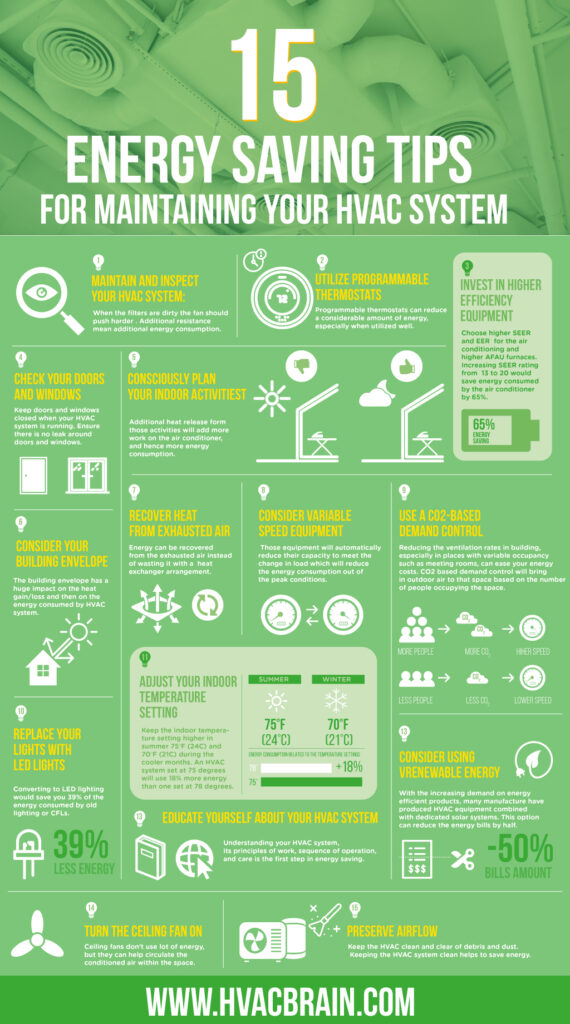
To maximize the performance and efficiency of your home air conditioning system, consider the following tips:
- Regularly clean filters to ensure optimal airflow
- Use window treatments during hot summer months to keep sunlight out
- Run your air conditioner at a higher temperature setting when not in use
- Consider using natural ventilation techniques, such as whole-house fans or cross-ventilation
By combining these tips with the right equipment and smart home integration, you can enjoy a cool, comfortable indoor environment while minimizing energy consumption and utility bills.
Frequently Asked Questions (FAQs)
- What is the ideal temperature setting for my air conditioner?
- The ideal temperature setting depends on personal comfort levels and local climate conditions. A general guideline is to maintain an indoor temperature between 22°C and 25°C.
- How often should I clean my air filter?
- Regular cleaning of your air filter can help ensure optimal airflow and system performance. Recommended cleaning frequencies include every 1-3 months for standard filters.
- Can I install a smart home system with my existing air conditioner?
- Yes, many modern air conditioning systems are compatible with popular smart home platforms. Check compatibility with your specific model before making a purchase.
- What is the difference between a condenser unit and an evaporator coil?
- A condenser unit is responsible for dissipating heat from the refrigerant, while an evaporator coil absorbs heat from the indoor air and transfers it to the condenser unit.
- How much can I save on energy bills by using an energy-efficient air conditioner?
- Energy-efficient air conditioners can help reduce energy consumption by up to 32%, resulting in significant savings on utility bills over time.
Maintaining Your Air Conditioning System
Proper maintenance is essential for extending the lifespan of your air conditioning system and ensuring optimal performance. Regular tasks include:
- Cleaning filters to ensure proper airflow
- Checking refrigerant levels
- Inspecting electrical connections
- Scheduling regular tune-ups with a professional technician
By following these guidelines, you can enjoy a cool and comfortable indoor environment while minimizing energy consumption and utility bills.
Conclusion
Incorporating an efficient home air conditioning system into your home can significantly enhance comfort and convenience while reducing energy consumption. By selecting the right equipment, properly installing it, and operating it with consideration of energy efficiency, you can save money on utility bills and minimize your carbon footprint.
As technology continues to advance, expect even more innovative solutions from manufacturers like Samsung, providing homeowners with an array of features and options tailored to their specific needs.


