
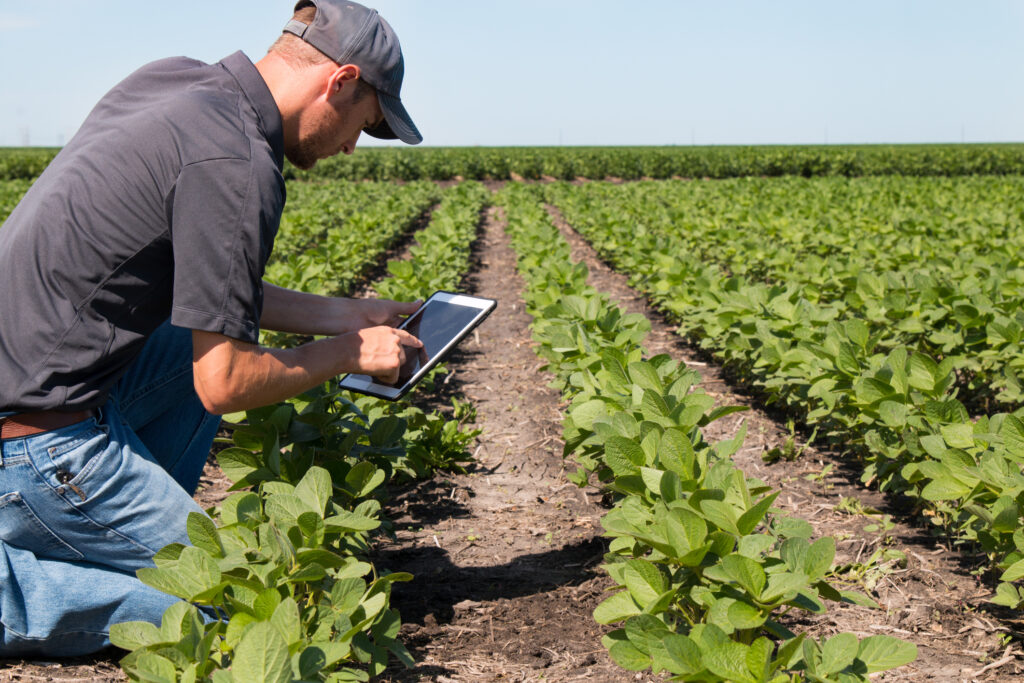
As we navigate the complexities of modern agriculture, it’s essential to understand the role of the agronomist. In this article, we’ll delve into the history, significance, and responsibilities of this profession.
Origins and History of Agronomy
The term “agronomist” originated from the Greek words “agròs” (field or countryside) and “nómos” (law or rule). Initially, it referred to a person who studied and applied agricultural principles. Over time, the term evolved to encompass not only agriculture but also environmental management, forestry, and land use planning.
Historical Context: Sumerians to Modern Times
The earliest recorded evidence of agronomists dates back to the Sumerians, who worshipped a deity named Enlil, associated with fertility and agriculture. The ancient Greeks and Romans also recognized the importance of agricultural knowledge, with philosophers like Aristotle and Virgil contributing to the field.
Agronomy in Modern Times
Today, the term “agronomist” is used to describe professionals who work in various sectors related to agriculture, such as:
- Crop management: Developing and implementing strategies for optimal crop growth and yield.
- Soil science: Studying soil composition, fertility, and conservation.
- Environmental science: Assessing the impact of agricultural practices on the environment and developing sustainable solutions.
- Forestry: Managing forests for timber production, wildlife conservation, and ecosystem services.
Types of Agronomists
There are several types of agronomists, each specializing in a specific area:
- Crop specialists: Focus on crop growth, yield, and quality.
- Soil scientists: Concentrate on soil composition, fertility, and conservation.
- Environmental scientists: Examine the impact of agricultural practices on the environment.
- Foresters: Manage forests for timber production, wildlife conservation, and ecosystem services.
Education and Training
To become an agronomist, one typically needs to:
- Complete a bachelor’s degree in agriculture or a related field
- Gain practical experience through internships or research projects
- Pursue advanced degrees (master’s or Ph.D.) for specialized roles
Career Opportunities
Agronomists can work in various industries, including:
- Government agencies: Developing policies and programs for agricultural development.
- Private companies: Providing consulting services for farmers and agricultural businesses.
- Academia: Conducting research and teaching at universities or colleges.
Salary Expectations
Agronomists can expect salaries ranging from $40,000 to over $100,000 per year, depending on their level of education, experience, and location.
Conclusion
The agronomist plays a vital role in ensuring the sustainability of our food systems. By understanding their history, responsibilities, and career opportunities, we can appreciate the importance of this profession and support the next generation of agricultural leaders.
Agronomists in Real-Life Scenarios
- Crop rotation: An agronomist may develop a crop rotation plan to optimize soil fertility and reduce pests and diseases.
- Soil conservation: Agronomists work on implementing strategies to prevent soil erosion and maintain soil health.
- Precision agriculture: Agronomists use advanced technologies, such as GPS and drones, to optimize crop growth and reduce waste.
The Future of Agronomy
As the world faces increasing challenges related to food security, climate change, and sustainability, agronomists will play a crucial role in developing innovative solutions. Some emerging trends in agronomy include:
- Precision agriculture: Using advanced technologies to optimize crop growth and reduce waste.
- Sustainable agriculture: Implementing practices that promote soil health, biodiversity, and ecosystem services.
- Climate-resilient agriculture: Developing crops and agricultural systems that can withstand the impacts of climate change.
Conclusion
In conclusion, agronomists are essential professionals who play a vital role in ensuring the sustainability of our food systems. By understanding their history, responsibilities, and career opportunities, we can appreciate the importance of this profession and support the next generation of agricultural leaders.


