
The Unseen Side of Milan: The Agriculture Festival
As we explore the city of Milan, it’s easy to get caught up in its reputation as Italy’s economic powerhouse. However, there’s a lesser-known side of this vibrant city that’s just as fascinating – its agricultural heritage. In fact, Milano Agricoltura Festival is the perfect opportunity to gaze at the city from a fresh perspective.
Milan has long been associated with industry and commerce, but did you know that it’s also one of the most significant agricultural regions in Italy? The region surrounding Milan covers over 50% of its metropolitan area with fields and forests under cultivation. This means that the city is not just about skyscrapers and shopping malls – it’s also a hub for agriculture.
The Milano Agricoltura Festival takes place annually, showcasing the city’s agricultural side in a unique way. The festival combines innovation, technology, and tradition to highlight the importance of this sector in Milan’s economy. By attending this event, you’ll get to see the city from a different angle – one that emphasizes its connection to the land.
But what exactly does “Milano Agricoltura Festival” entail? Let’s dive deeper into this fascinating topic.
Agriculture: The Backbone of Milan
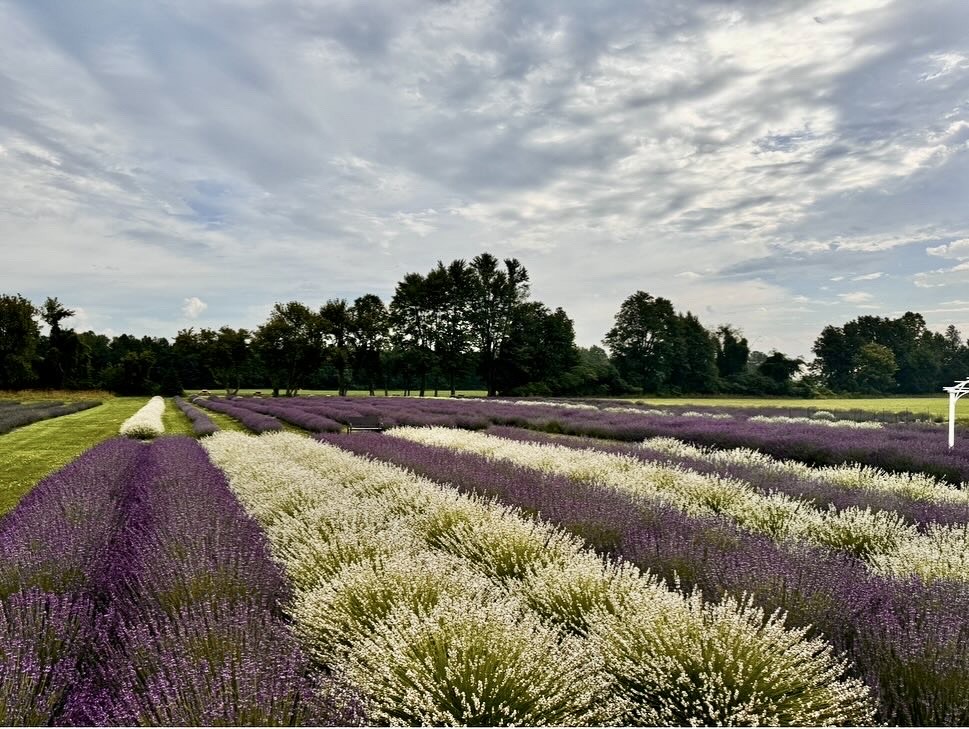
Agriculture has played a vital role in shaping Milan’s history and identity. From the Parco Agricolo Sud Milano, Europe’s largest agricultural park, to the numerous farms and agricultural businesses operating within its boundaries, it’s clear that farming is an integral part of this city.
The Parco Agricolo Sud Milano covers an impressive 47,045 hectares, making it not only a significant agricultural hub but also a vital component of Milan’s ecosystem. With over 1,000 farm businesses spread across 61 municipalities, agriculture is the backbone of the region – and Milan itself.
Innovation and Tradition
The Milano Agricoltura Festival celebrates both innovation and tradition, reflecting the complexity and diversity of this sector. By embracing cutting-edge technologies and sustainable practices, farmers can improve crop yields while reducing their environmental impact.
At the same time, the festival honors traditional methods passed down through generations of agriculturalists. These customs have allowed farming to thrive in Milan’s fertile soil for centuries – a testament to the region’s agricultural heritage.
Ricambio Generazionale: The Future of Farming
One pressing issue facing agriculture today is the ricambio generazionale, or succession crisis, where many aging farmers struggle to find suitable successors. This is particularly true in Italy and Europe as a whole. According to statistics, over 50% of farmers above the age of 60 have retired or passed away without passing on their knowledge and expertise.
This presents an opportunity for younger generations to take up farming and create new opportunities. The Milano Agricoltura Festival highlights this pressing issue while showcasing innovative solutions that can help address it.
Sustainable Agriculture: A Key Component
Agriculture is not just about food production; it also plays a critical role in maintaining the health of our ecosystem. By adopting sustainable practices, farmers can reduce their environmental impact and promote biodiversity.
The Milano Agricoltura Festival emphasizes this importance by featuring initiatives that focus on lavori a basso impatto ambientale, or low-impact work on the environment. These projects highlight innovative farming methods that prioritize soil conservation, water efficiency, and crop rotation – all essential components of sustainable agriculture.
La Natura del Milanese
The Parco Agricolo Sud Milano is not just an agricultural park but also a haven for nature lovers. The aree naturalistiche within the park showcase the region’s natural beauty by preserving areas with original forest structures, allowing visitors to experience the authentic Milanese landscape.
In addition to these natural areas, the festival also celebrates traditional farming practices and local products. Visitors can sample artisanal foods and drinks made from locally sourced ingredients, giving them a glimpse into the rich cultural heritage of this agricultural region.
Economic Impact
The economic impact of agriculture in Milan cannot be overstated. The sector contributes significantly to the regional GDP, with many businesses relying on farming as their primary source of income. By promoting innovation and sustainability, the Milano Agricoltura Festival supports local economies and encourages entrepreneurship.
Moreover, sustainable agriculture practices not only benefit farmers but also contribute to environmental conservation efforts. By adopting eco-friendly methods, agricultural producers can reduce pollution, conserve water resources, and protect biodiversity – all essential components of a healthy ecosystem.
Benefits for Consumers
The Milano Agricoltura Festival highlights the importance of direct-to-consumer sales, enabling consumers to purchase locally produced products directly from farmers. This approach promotes trust between consumers and producers, fostering a more equitable relationship between local agricultural businesses and their customers.
Moreover, by supporting local agriculture, consumers can help preserve rural landscapes, maintain cultural heritage, and contribute to regional economic development. In doing so, they play an essential role in ensuring the long-term sustainability of this vital sector.
Impact on Regional Identity
The Milano Agricoltura Festival plays a crucial role in promoting regional identity and preserving traditional practices. By celebrating local produce, farming methods, and cultural customs, visitors can gain a deeper understanding of this agricultural region’s unique character and contributions to Italy’s rich gastronomic heritage.
This festival is an essential component of Milan’s cultural landscape, highlighting the city’s connection to its land and emphasizing its role as a hub for agriculture. By embracing innovation, tradition, and sustainability, we can ensure that this vital sector continues to thrive for generations to come.
Visiting Milano Agricoltura Festival
The Milano Agricoltura Festival is an exciting event that showcases the best of Milan’s agricultural heritage. Here are some tips for visiting:
- When: The festival typically takes place in late summer or early fall, depending on the specific date and year.
- Where: The festival is held at various locations throughout the city, including parks, gardens, and other public spaces.
- What to Expect: Visitors can expect to see local farmers showcasing their produce, artisanal products, and traditional farming practices. There will also be workshops, demonstrations, and interactive activities.
- Admission: Admission is usually free or low-cost, making it accessible to visitors from all walks of life.
Conclusion
The Milano Agricoltura Festival offers a unique perspective on this vibrant city – one that highlights its agricultural side and promotes innovation, tradition, and sustainability. By embracing these values, we can ensure that agriculture remains at the heart of Milan’s economy for generations to come.


