
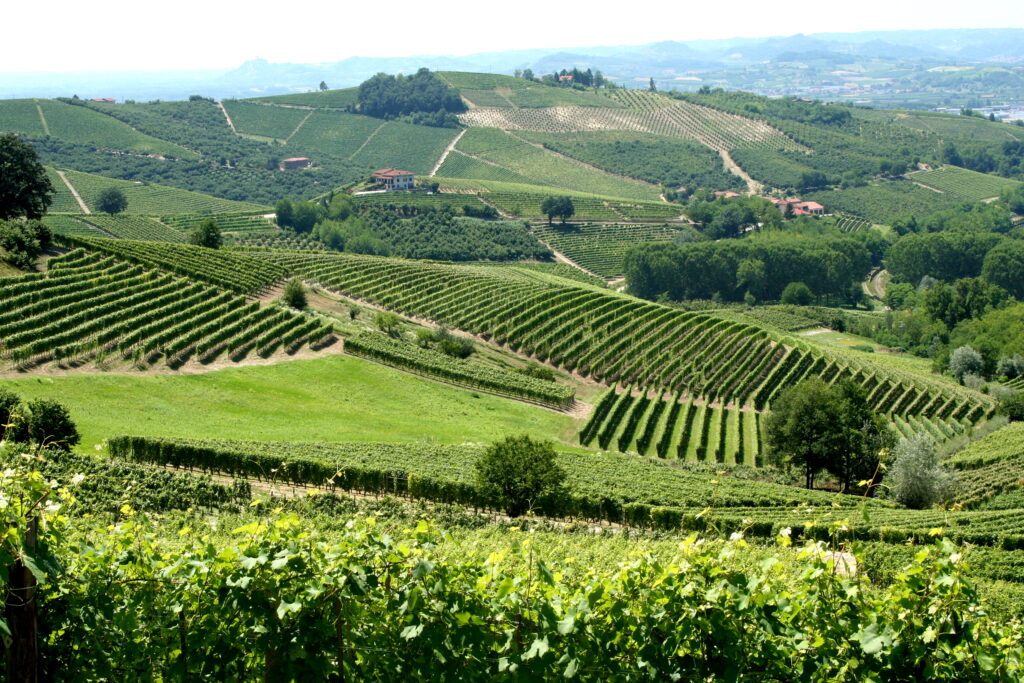
Introduction to Italian Agriculture
When discussing agriculture in Italy, official statistics come from the ‘Censimento generale dell’agricoltura’, which is the latest available, dating back to 2010. While not recent, it still provides a good snapshot of the situation. The data gathered in this review will give an insight into the current state of Italian agriculture, including farm size, livestock production, and organic farming practices.
2. Agricultural Statistics in Italy: Key Numbers
According to the 2010 Censimento generale dell’agricoltura, there are 1,630,420 active agricultural and zootechnical enterprises in Italy, with 209,996 focused on livestock sales. The number of animals raised is substantial, with 5.7 million bovines, 9.6 million suins, 7.5 million ovines and caprini, and 195.4 million avicoli.
3. Evolution of Farm Size
The average farm size in Italy has increased over the past decade, growing from 5.5 hectares of usable agricultural land per enterprise to 7.9 hectares in 2010. This represents a 44.4% increase. However, this growth is offset by a decline in overall agricultural land use.
However, this growth is offset by a decline in overall agricultural land use.
4. Decline in Agricultural Land Use
The total area of farmland (SAT) decreased by 8% between 2000 and 2010, while the usable agricultural land (SAU) declined by only 2.3%. This trend suggests that larger farms are taking over smaller ones.
5. Shifts in Food Spending
Interestingly, food spending on fruits and vegetables has surpassed meat consumption for the first time in recent history. This could be a sign of changing consumer preferences. In addition, organic produce sales have seen significant growth in terms of value, increasing by 6% between 2000 and 2010.
6. Growing Importance of Organic Agriculture
Organic agriculture is gaining traction in Italy, ranking 6th globally in terms of land area dedicated to organic farming. Moreover, when considering the proportion of organic production on total agricultural land use, Italy takes the top spot with over 9% of its farmland being organic.
7. Regional Variations in Organic Farming
Organic farms are predominantly located in mountainous (21%) and hilly (61%) regions. This suggests that less favorable terrain is being optimized for sustainable farming practices. Other regional variations, such as the south, also show an increasing number of organic farms.
8. Impact of Climate Change on Italian Agriculture
Climate change has a significant impact on agricultural productivity in Italy. Rising temperatures and changing precipitation patterns affect crop yields and livestock health, leading to potential losses for farmers. The agricultural sector will need to adapt to these changes by adopting more sustainable farming practices and investing in climate-resilient technologies.
9. Role of Technology in Italian Agriculture
The use of technology is increasing in Italian agriculture, driven by the desire to improve efficiency and productivity. Precision agriculture techniques such as GPS guidance systems and drones are being used to optimize crop management and reduce waste. The adoption of digital platforms for supply chain management also increases farmers’ access to markets and buyers.
10. International Trade and Competition
Italy is a significant player in international trade, with agricultural products worth around €12 billion annually. However, the country’s agriculture sector faces competition from other major producers such as China, the United States, and Brazil. To remain competitive, Italian farmers will need to adapt their production methods and focus on high-quality products that command premium prices.
11. Environmental Sustainability
Italian agriculture is a significant source of greenhouse gas emissions, mainly due to livestock production and fertilizer use. The government has implemented policies aimed at reducing these emissions, such as the “Agro-Environment” scheme which provides financial incentives for farmers to adopt sustainable practices like crop rotation and organic farming.
12. Conclusion
Italy’s agricultural landscape is characterized by both positive trends, such as the growth of organic farming, and concerning declines in overall land use. As the country continues to evolve, it will be essential to monitor these statistics closely to ensure a sustainable food future. The government, farmers, and consumers must work together to address the challenges facing Italian agriculture while promoting its contributions to the country’s economy and environmental sustainability.
FAQs
- What percentage of farms in Italy are dedicated to organic production?
About 9% of agricultural land is currently used for organic farming. - How has farm size changed over the past decade?
The average farm size grew from 5.5 hectares to 7.9 hectares between 2000 and 2010. - What percentage of total agricultural land use is dedicated to livestock production?
Approximately 25% of Italy’s farmland is used for animal husbandry. - Has food spending on fruits and vegetables surpassed meat consumption in recent years?
Yes, for the first time since records began, fruit and vegetable spending have exceeded that of meat. - Why do you think there has been a shift towards organic farming in Italy?
Several factors may contribute to this trend, including environmental concerns, consumer awareness, and government incentives. - What regions are most prominent in terms of organic farming in Italy?
The mountainous (21%) and hilly (61%) regions tend to have the highest concentration of organic farms. - How does Italy rank globally in terms of agricultural land use for organic production?
Italy ranks 6th worldwide in terms of total area dedicated to organic farming. - What impact do you think these statistics will have on Italy’s food future?
These trends suggest a growing importance of sustainable agriculture practices and potentially shape the country’s culinary identity in the years to come.
Additional Resources
- For more information on Italian agriculture, visit www.inea.it.
- Learn about sustainable farming methods and energy efficiency at wwoof.it.


