
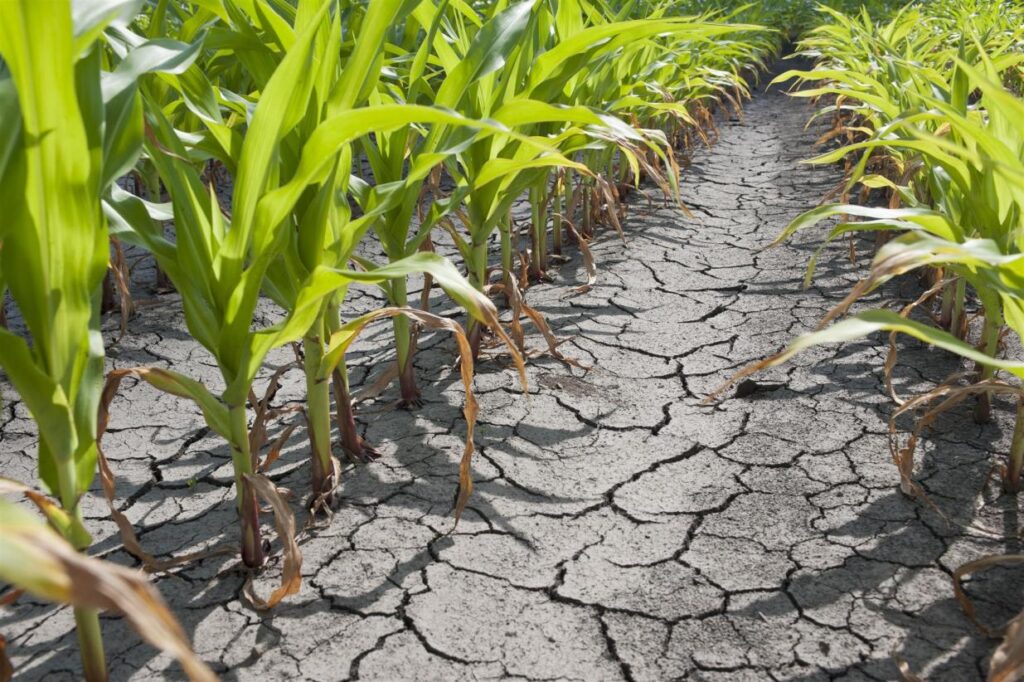
As we navigate the complex web of global challenges, it’s essential to acknowledge the intricate relationships between agriculture, climate change, and water scarcity. The consequences of these interconnected issues are far-reaching, affecting not only our planet but also our food systems. But is industrial agriculture a primary contributor to these problems?
Understanding the Ties between Agriculture, Climate Change, and Water Scarcity
Agriculture plays a crucial role in shaping our global landscape, with water being an essential component of this process. The agricultural industry’s impact on water resources cannot be overstated, as it is estimated that humans utilize approximately 54% of the world’s freshwater resources. However, this figure represents only 2% of the total water available on our planet. The remaining 98% is comprised of saltwater and other non-potable sources.
Climate change further exacerbates the issue by altering global weather patterns, leading to more frequent droughts and floods. As a result, agricultural practices are under increasing pressure to adapt to these changing conditions while minimizing their environmental impact.
The Alarming Statistics: Water Utilization by Agriculture
To grasp the magnitude of water consumption by agriculture, let’s examine some alarming statistics:
- The average American household uses around 80 gallons of water per day, primarily for drinking, cooking, and cleaning.
- In contrast, a single acre of irrigated land requires approximately 400 gallons of water per day to maintain crop production.
- It is estimated that irrigation accounts for over 50% of global freshwater withdrawals.
The Italian Scenario: Agriculture’s Dominant Role in Water Consumption
In Italy, the agricultural sector plays a vital role in shaping the country’s water resources. Over 60% of Italy’s freshwater consumption is directly linked to agricultural activities, highlighting the significant impact of industrial agriculture on water usage.
Small-scale farmers often rely on cisterns to harvest rainwater for irrigation purposes. However, large corporations involved in the agro-food industry pose a significant threat to water resources. Their practices can lead to increased siccità (drought) and pollution of waterways.
The Dark Side of Industrial Agriculture: Resource Consumption and Environmental Impact
Industrial agriculture’s reliance on intensive farming methods and resource-intensive production processes puts immense pressure on the environment. The livestock industry, in particular, is a significant contributor to greenhouse gas emissions, deforestation, and soil degradation.
The consequences of these actions can have far-reaching effects on ecosystems and water quality, ultimately threatening the very foundation of our food systems.
The Water Risk Filter: A Tool for Sustainability
To address these pressing concerns, the World Wildlife Fund (WWF) has developed a system called the Water Risk Filter. This innovative tool aims to monitor global water resources and assess risks associated with industrial agriculture’s impact on water supply.
The Water Risk Filter can identify threats such as scarcity and contamination of water sources, which have devastating effects on food production and human consumption.
Empowering Investors and Companies: Using the Water Risk Filter
The Water Risk Filter is now available to investors and companies, enabling them to assess their exposure to risks related to water scarcity and pollution. This cutting-edge tool empowers businesses to make informed decisions about sustainable practices and minimize their environmental footprint.
By utilizing the Water Risk Filter, companies can better understand their role in shaping global water resources and develop strategies to mitigate potential risks.
The Future of Food Production and Water Conservation
As we move forward, it’s essential to prioritize the development of sustainable agricultural practices that preserve our planet’s precious resources. By understanding the interconnectedness of agriculture, climate change, and water scarcity, we can work together to create a more resilient food system for future generations.
Frequently Asked Questions (FAQs)
- What percentage of global freshwater resources is utilized by agriculture?
- Approximately 54% of global freshwater resources are used by agricultural activities.
- How much of the world’s total water supply is comprised of saltwater?
- The remaining 98% of the world’s total water supply is made up of saltwater and other non-potable sources.
- What percentage of Italy’s freshwater consumption is linked to agricultural activities?
- Over 60% of Italy’s freshwater consumption is directly connected to agricultural practices.
- Why are large corporations in the agro-food industry a significant threat to water resources?
- These companies can lead to increased siccità (drought) and pollution of waterways due to their intensive farming methods and resource-intensive production processes.
- What is the purpose of the Water Risk Filter developed by WWF?
- The Water Risk Filter aims to monitor global water resources and assess risks associated with industrial agriculture’s impact on water supply, including threats like scarcity and contamination.
- Who can access the Water Risk Filter tool?
- Investors and companies can utilize the Water Risk Filter to evaluate their exposure to risks related to water scarcity and pollution.
- How does the Water Risk Filter contribute to sustainable agricultural practices?
- By identifying potential risks associated with industrial agriculture, the Water Risk Filter empowers businesses to make informed decisions about sustainable practices and minimize their environmental footprint.
- What is the long-term goal of using the Water Risk Filter in agricultural production?
- The ultimate objective is to develop a more resilient food system that preserves our planet’s precious resources while ensuring global food security.


