
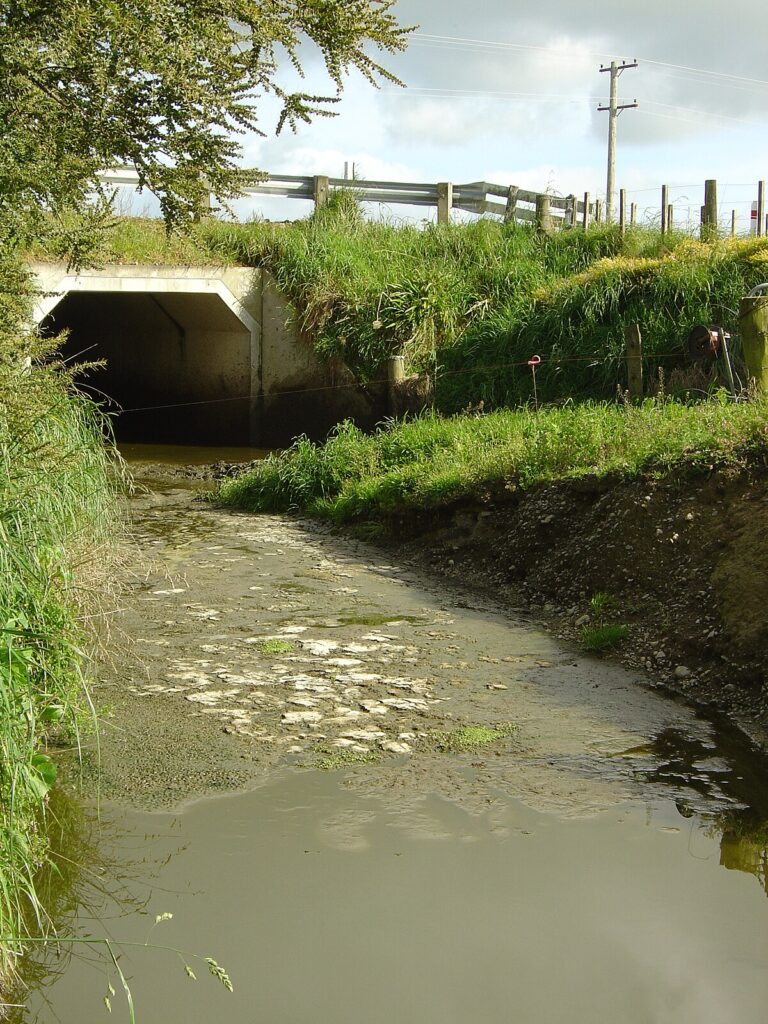
Introduction
Water is essential for human life, and its importance extends beyond our daily needs. In various industries, including agriculture, water plays a crucial role in driving growth and productivity. However, the agricultural sector’s high water consumption has significant environmental implications, particularly concerning water pollution.
Water pollution caused by agriculture is a pressing issue that requires immediate attention from policymakers, farmers, and consumers alike. The consequences of this pollution can have devastating effects on ecosystems, human health, and the economy. In this article, we will delve into the causes, effects, and potential solutions to address the problem of water pollution in agriculture.
Agriculture, Water Consumption, and Pollution
In Italy, over 60% of water consumption is linked to agriculture. The excessive use of fertilizers and pesticides not only depletes groundwater resources but also contaminates surface waters. The Italian Environment Protection Agency’s (Istituto superiore per la protezione e la ricerca ambientale) report highlights the alarming levels of water pollution caused by agricultural activities.
The agricultural sector is a significant contributor to water pollution due to its high water consumption and intensive use of chemicals such as fertilizers, pesticides, and herbicides. These substances can contaminate soil, air, and water, posing risks to human health and the environment. The use of these chemicals can also lead to the degradation of soil quality, reduced crop yields, and increased costs for farmers.
Water Pollution in Agriculture: Facts and Figures
The report reveals that 63.9% of Italian surface waters contain pesticides, with glifosate being the most prevalent contaminant. The same pollutant has contaminated 31.7% of groundwater sources. Regions such as Veneto, Lombardy, Emilia Romagna, Tuscany, and Umbria have significantly higher levels of pesticide contamination.
The use of pesticides in agriculture is a significant contributor to water pollution. Pesticides can contaminate surface waters through runoff and leaching, while also entering the groundwater system through soil erosion and other mechanisms. The long-term effects of pesticide exposure on human health and the environment are still being studied, but they are likely to be detrimental.
The Pesticide Problem
Agricultural activities use approximately 130 million tons of pesticides every year in Italy, with this amount increasing annually. The widespread use of these chemicals has severe environmental consequences, including water pollution.
Pesticides can also have negative impacts on human health, particularly for farmers and agricultural workers who are exposed to these substances during application and handling. The use of pesticides has been linked to a range of health problems, including cancer, neurological disorders, and reproductive issues.
Water Pollution Trends
Data collected from over 29,000 water samples shows a steady increase in pesticide levels between the 2012-2013 and 2014-2015 periods, with a 4.3% rise in surface waters and an 11.8% jump in groundwater sources.
The increasing trend of pesticide use in agriculture is largely due to the growing demand for food production, particularly from developing countries. The use of pesticides has become a common practice among farmers to increase crop yields and reduce costs.
Agricultural Technology and Water Conservation
While there is no easy solution to address water pollution caused by agriculture, researchers are exploring innovative technologies to reduce chemical use. One such technology is the use of GPS (Global Positioning System) to optimize fertilizer application.
By using this system, farmers can apply fertilizers directly to the roots of plants at specific intervals, reducing waste and minimizing environmental impact. This approach also helps to ensure that nutrients are used efficiently, reducing the risk of overuse.
How GPS Works
The GPS system helps farmers create detailed maps of their fields, taking into account soil types, crop requirements, and nutrient levels. This information enables farmers to make data-driven decisions about fertilizer application, ensuring that nutrients are used efficiently and reducing the risk of overuse.
GPS technology can also be used to monitor water usage and optimize irrigation systems. By using sensors and GPS tracking devices, farmers can detect leaks and inefficiencies in their irrigation systems, reducing waste and conserving water resources.
Conclusion
Water pollution caused by agriculture is a pressing environmental issue that requires immediate attention. By adopting sustainable practices, such as precision farming and reduced chemical use, we can mitigate the harm inflicted on our water resources and the environment. As consumers, it’s essential to demand responsible agricultural practices from producers and support policies that promote environmentally friendly farming methods.
Frequently Asked Questions
- What is the primary cause of water pollution in agriculture?
The main culprit behind water pollution in agriculture is the excessive use of fertilizers and pesticides. - How much water is used by agriculture in Italy?
Over 60% of water consumption in Italy is linked to agricultural activities. - What are some common pesticides found in Italian surface waters?
Glifosate, a widely used herbicide, is the most prevalent contaminant in Italian surface waters. - How can farmers reduce their environmental impact by using GPS technology?
By applying fertilizers directly to plant roots at specific intervals, farmers can optimize nutrient use and minimize waste. - What are some ways to promote environmentally friendly farming practices?
Supporting policies that encourage sustainable agriculture, reducing chemical use, and adopting precision farming techniques can all contribute to a more environmentally conscious agricultural sector. - Can GPS technology be used for other environmental monitoring purposes?
Yes, GPS technology has numerous applications in environmental monitoring, including tracking wildlife migration patterns and monitoring water quality. - What is the current trend in pesticide usage in agriculture?
Pesticide use continues to rise annually, with significant implications for water pollution and environmental health. - How can consumers promote environmentally friendly agricultural practices?
As consumers, we can demand responsible agricultural practices from producers, choose products from sustainable farms, and support policies that prioritize environmental sustainability.
Recommendations
- Implementing precision farming techniques to reduce chemical use and optimize nutrient application.
- Promoting sustainable agriculture practices through policy incentives and education programs.
- Encouraging farmers to adopt environmentally friendly farming methods, such as crop rotation and integrated pest management.
- Improving irrigation systems to reduce water waste and conserve resources.
- Developing and implementing effective regulations to limit pesticide use and prevent water pollution.
Conclusion
Water pollution caused by agriculture is a complex issue that requires immediate attention from policymakers, farmers, and consumers alike. By adopting sustainable practices, promoting environmentally friendly farming methods, and supporting policy initiatives, we can mitigate the harm inflicted on our water resources and the environment. As individuals, we must demand responsible agricultural practices from producers and support policies that prioritize environmental sustainability.


