
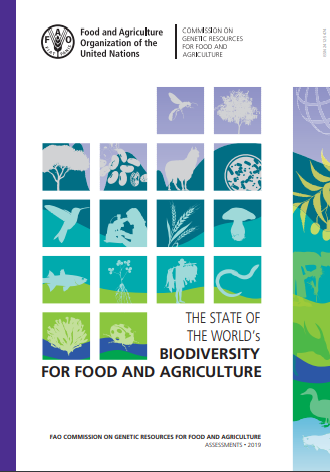
Agro-alimentary biodiversity refers to the variety of genetic resources, including crops, livestock, and microorganisms, that are used in agricultural production. This concept is crucial for ensuring the long-term sustainability of agriculture and food systems.
Understanding Agro-Alimentary Biodiversity
Agro-alimentary biodiversity encompasses various aspects of agricultural production, including:
- Crop diversity: The variety of crops grown, such as wheat, corn, or soybeans.
- Livestock diversity: The range of domesticated animals, like cattle, pigs, or chickens.
- Microbial diversity: The array of microorganisms used in agriculture, including beneficial bacteria and fungi.
- Farm management practices: Techniques such as crop rotation, organic farming, or agroforestry.
The Law on Agro-Alimentary Biodiversity
In 2015, Italy passed a law aimed at preserving and valorizing agro-alimentary biodiversity. The law, which came into effect on December 1, 2015, sets out measures to protect genetic resources from extinction and promotes sustainable agricultural practices.
Goals of the Law
The primary objectives of the law are to:
- Preserve the genetic heritage of crops, livestock, and microorganisms
- Prevent the loss of crop diversity and promote its conservation
- Support small-scale agriculture and local food systems
Key Provisions of the Law
The law introduces four main tools for achieving these goals:
- Anagrafe: A register that documents the presence and distribution of agro-alimentary biodiversity
- Rete Nazionale: A network of experts, farmers, and researchers who work together to promote agro-alimentary biodiversity
- Portale Web: An online platform for sharing information and resources related to agro-alimentary biodiversity
- Comitato Permanente: A permanent committee that advises the government on matters related to agro-alimentary biodiversity
The Link Between Biodiversity and Agriculture
The relationship between biodiversity and agriculture is complex and bidirectional. On one hand, biodiversity can provide farmers with access to genetic resources, improving crop yields and resilience. On the other hand, agricultural practices can impact biodiversity, leading to habitat loss and extinction.
Support for Small-Scale Farmers
The law provides a range of support mechanisms for small-scale farmers, including:
- A grant program for promoting agro-alimentary biodiversity
- Training and capacity-building programs for farmers
- Access to genetic resources and technical assistance
Celebrating Agro-Alimentary Biodiversity with the Giornata Nazionale della Biodiversità
To promote awareness of agro-alimentary biodiversity, Italy has established a National Day of Biodiversity, which takes place on May 20th every year. This event brings together farmers, researchers, and consumers to celebrate the importance of biodiversity in agriculture and food systems.
Key Activities on Giornata Nazionale della Biodiversità
The day features a range of activities, including:
- Degustations of local cuisine
- Itineraries showcasing agro-alimentary biodiversity
- Workshops and seminars on sustainable agricultural practices
Promoting Agro-Alimentary Biodiversity in Your Community
Agro-alimentary biodiversity is an important aspect of food systems, but it requires a collective effort to protect. Here are some steps you can take to promote agro-alimentary biodiversity in your community:
- Educate yourself: Learn about the importance of agro-alimentary biodiversity and how it impacts agriculture and food systems.
- Support local farmers: Buy locally grown produce and support small-scale farmers who use sustainable agricultural practices.
- Get involved in conservation efforts: Participate in initiatives that aim to conserve crop, livestock, and microbial diversity.
- Advocate for policy change: Contact your local government representatives and express your support for policies that promote agro-alimentary biodiversity.
Frequently Asked Questions (FAQs)
- What is the definition of agro-alimentary biodiversity?
- What are the main goals of the law on agro-alimentary biodiversity?
- How does the law support small-scale farmers?
- What activities take place during Giornata Nazionale della Biodiversità?
- Why is it important to preserve agro-alimentary biodiversity?
- What can consumers do to support agro-alimentary biodiversity?
- How can researchers contribute to promoting agro-alimentary biodiversity?
- What are the potential impacts of agricultural practices on biodiversity?
Conclusion
Agro-alimentary biodiversity is a vital component of food systems, providing farmers with access to genetic resources and promoting sustainable agriculture. The law on agro-alimentary biodiversity provides important support for small-scale farmers, while the National Day of Biodiversity raises awareness of its importance.
By understanding the importance of agro-alimentary biodiversity and taking steps to promote it in your community, you can help ensure a sustainable food future.


