
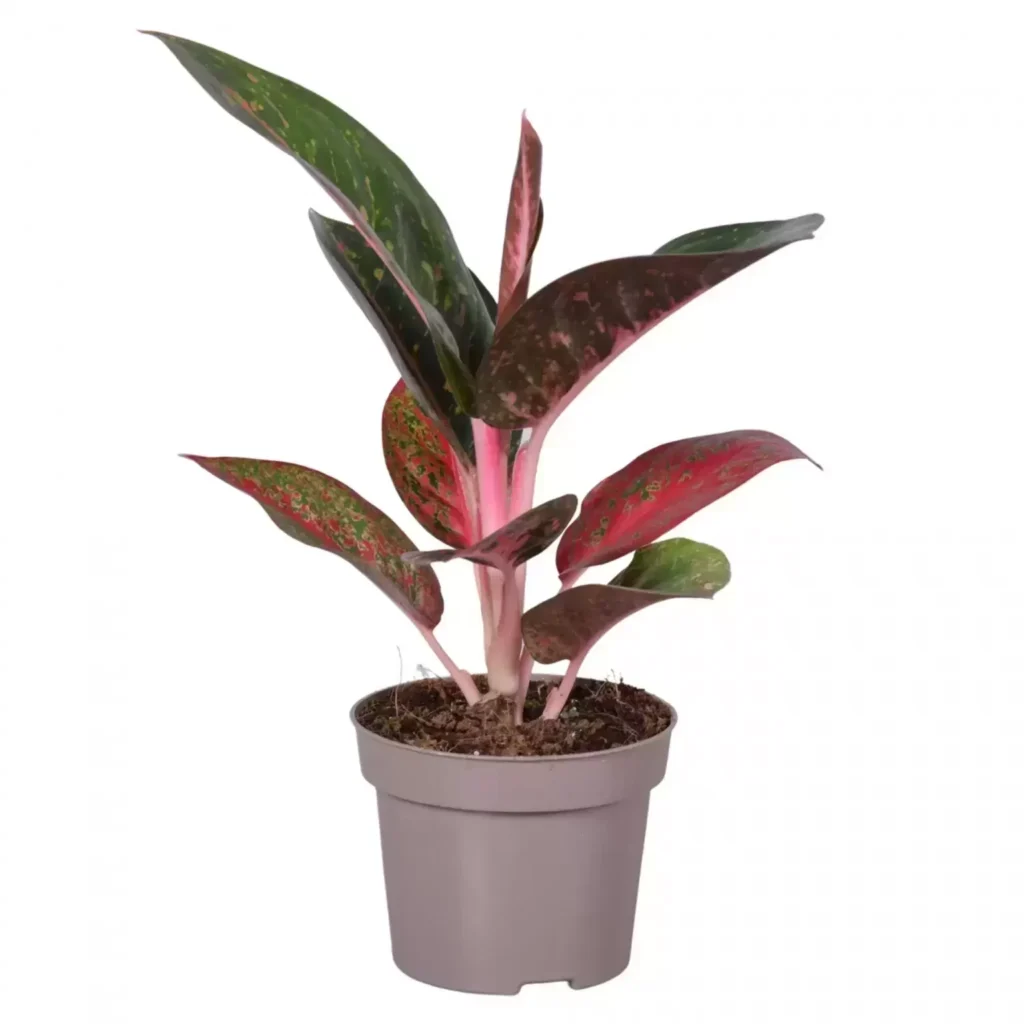
What is Aglaonema?
Aglaonema, a plant native to Southeast Asia, has gained popularity for its ability to thrive in low-light conditions. This makes it an ideal choice for indoor spaces, including entryways and rooms with limited natural light. While often overlooked by its more popular relatives, Aglaonema’s stunning foliage is unmatched.
The Origins of the Name “Aglaonema”
The name “Aglaonema” originates from ancient Greek, where “aglao” means “splendor” and “nema” refers to a filament. Surprisingly, there is no mention of toxicity in its leaves, which are known to be toxic to domestic animals.
The Plant of the Gods: A Brief History
Aglaonema belongs to the Araceae family, which includes other popular houseplants such as Spathiphyllum spp., Dieffenbachia spp., Philodendron spp., Anthurium spp., and Caladium. As a perennial plant with slow growth, Aglaonema is often overlooked despite its striking beauty.
Aglaonema: A Marvel of Nature
The leaves of the Aglaonema plant are particularly breathtaking, with colors ranging from green to silver, featuring intricate patterns and markings that resemble brushstrokes. The inflorescences, although less showy than other plants, still evoke a sense of elegance.
Characteristics of Aglaonema Leaves
The distinctive features of Aglaonema leaves include:
- A characteristic sheen
- Colors ranging from green to silver
- Intricate patterns and markings resembling brushstrokes
Aglaonema Varieties: Simplex, Commutatum, and Oblongifolium
Three notable varieties of the Aglaonema plant are:
- Aglaonema Simplex: Originating from China, this variety features leaves with a velvety texture and a moderate growth rate.
- Aglaonema Commutatum: Hailing from the Philippines, this variety boasts thicker, more waxy leaves with distinctive silver markings.
- Aglaonema Oblongifolium: Native to Malaysia, this plant is known for its striking lance-shaped leaves, adorned with white spots.
The Secret to Successful Care: Tips and Tricks
To ensure your Aglaonema thrives:
- Maintain optimal temperatures between 16°C at night and 18°C during the day.
- Provide filtered or indirect light; avoid direct sunlight to prevent scorching.
- Water sparingly, as overwatering can lead to root rot.
- Repot every 2-3 years, removing dead leaves to prevent disease.
Where to Find Your Perfect Aglaonema
Aglaonema is widely available at local nurseries and online retailers. Consider purchasing from reputable sources for optimal quality and care instructions.
Propagation of Aglaonema: A Step-by-Step Guide
To propagate your Aglaonema, follow these steps:
- Choose a healthy stem with multiple nodes.
- Cut the stem about an inch below the node using clean scissors or pruning tools.
- Remove lower leaves to prevent moisture from accumulating and causing rot.
- Place the cut end in water or a well-draining potting mix, making sure the node is submerged.
- Keep the soil moist but not waterlogged.
- Provide bright, indirect light and maintain optimal temperatures.
Common Problems with Aglaonema: Solutions and Prevention
To address common issues with your Aglaonema:
- Yellowing Leaves: Overwatering or underwatering can cause yellow leaves. Adjust watering habits accordingly.
- Brown Edges: High temperatures or dry air can lead to brown edges on the leaves. Increase humidity or move the plant to a cooler spot.
- Pests: Check for pests like spider mites, mealybugs, or scale, and treat promptly if necessary.
Care Tips for Aglaonema
- Avoid exposing your Aglaonema to extreme temperatures or drafts.
- Use distilled water when watering to prevent mineral buildup in the soil.
- Maintain humidity levels between 50-70% to keep the leaves healthy and vibrant.
- Fertilize sparingly during the growing season (spring and summer) using a balanced fertilizer.
Aglaonema: A Low-Maintenance Choice
The Aglaonema plant is perfect for busy people or those new to indoor gardening. Its ability to thrive in low-light conditions makes it an ideal choice for rooms with limited natural light, while its striking foliage adds beauty to any space.
Conclusion
Aglaonema: The Low-Maintenance Plant of the Gods offers a unique blend of elegance, versatility, and ease of care. Whether you’re an experienced plant parent or just starting your indoor gardening journey, this remarkable species is sure to captivate and inspire.


