
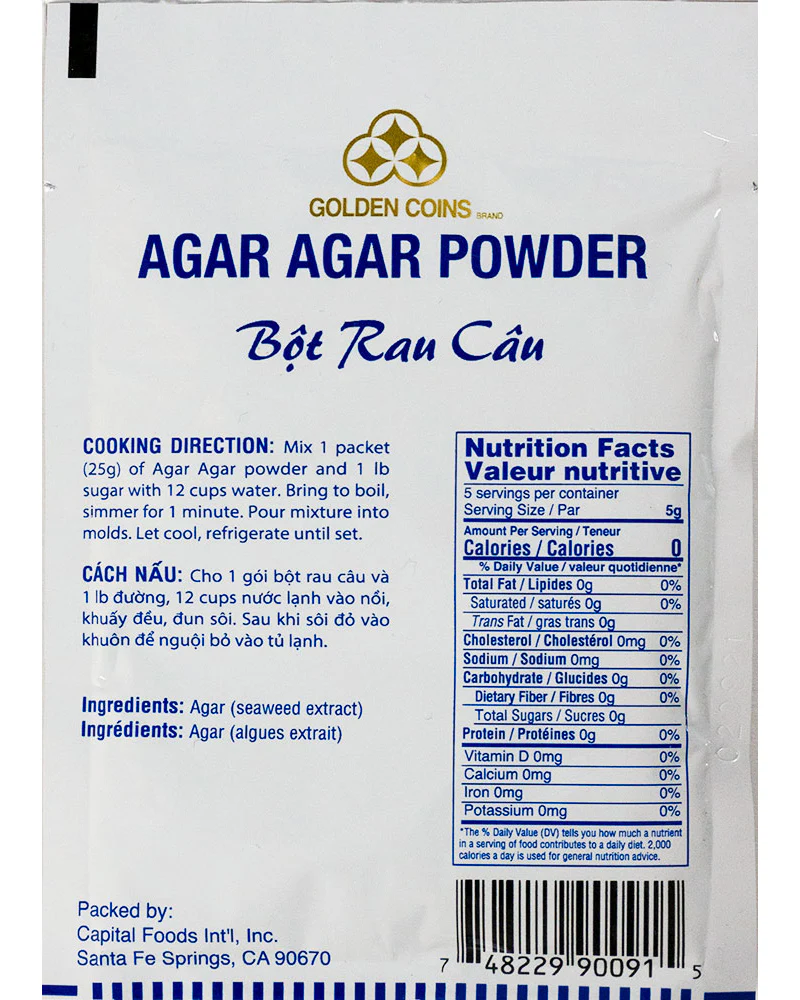
As a vegan or vegetarian, you’re likely no stranger to the importance of using plant-based alternatives to traditional gelatin in your cooking and baking. One such wonder ingredient is agar agar, a natural gelling agent extracted from red algae that’s been gaining popularity in recent years. In this article, we’ll delve into the world of agar agar, exploring its benefits, uses, and instructions for use.
What is Agar Agar?
Agar agar is a type of vegan gelatin derived from red algae, specifically from the species Gelidium and Gracilaria. The process involves drying, washing, and boiling the algae to extract its gelatinous properties. This unique ingredient has been used for centuries in traditional Asian cuisine, particularly in Japan and China.
Benefits of Agar Agar
So, what makes agar agar so special? Here are just a few benefits:
- Vegan-friendly: Agar agar is a great alternative to gelatin, making it perfect for vegans and vegetarians.
- Low in calories: Compared to traditional gelatin, agar agar is much lower in calories, making it an excellent choice for those watching their diet.
- Rich in fiber: Agar agar contains dietary fiber, which can help support healthy digestion and bowel function.
Using Agar Agar in Cooking
Agar agar can be used in a variety of dishes, from sweet treats to savory meals. Here are some ideas to get you started:
- Use agar agar as a substitute for gelatin in traditional recipes like jelly, pudding, and cake.
- Add agar agar to your favorite fruit smoothies or juices for an extra boost of nutrition.
- Use agar agar to thicken sauces and soups, adding a plant-based twist to classic dishes.
Instructions for Using Agar Agar
Using agar agar is relatively simple, but it does require some patience. Here’s a step-by-step guide:
- Add agar agar powder: Mix 1-2 teaspoons of agar agar powder with 1 cup of hot water or broth.
- Let it sit: Allow the mixture to sit for 5 minutes, allowing the agar agar to dissolve.
- Heat and stir: Bring the mixture to a boil, then reduce heat and simmer for 3-5 minutes, stirring constantly.
- Cool and set: Remove from heat and let cool slightly before pouring into molds or serving.
Tips and Tricks
Here are some additional tips to keep in mind when working with agar agar:
- Be patient: Agar agar can be finicky, so be prepared for a few trial runs.
- Adjust the amount: Start with a small amount of agar agar and adjust to taste, as too much can result in an unappetizing texture.
- Use it in combination: Combine agar agar with other ingredients, like coconut milk or tapioca starch, to create a smooth and creamy texture.
Common Issues and Solutions
We’ve all been there – a batch of agar agar fails to set properly. Here are some common issues and solutions:
- Grains or clumps: If your agar agar is forming grains or clumps, try re-heating the mixture and stirring well.
- Lack of setting: If your agar agar isn’t setting, check that you’ve used the right amount and that the mixture has cooled properly.
Conclusion
Agar agar is a versatile and delicious ingredient that’s perfect for vegan and vegetarian cooking. With its numerous benefits and uses, it’s no wonder this plant-based gelatin is gaining popularity worldwide. By following these simple instructions and tips, you’ll be well on your way to mastering the art of agar agar cooking.
Frequently Asked Questions
Here are some answers to common questions about agar agar:
- Q: Is agar agar safe for everyone?
A: Agar agar is generally considered safe for most people, but individuals with certain allergies or sensitivities should consult a healthcare professional before using it. - Q: Can I use agar agar in desserts?
A: Absolutely! Agar agar is perfect for adding texture and flavor to sweet treats like cakes, puddings, and ice creams. - Q: How do I store agar agar powder?
A: Store agar agar powder in an airtight container in a cool, dry place.
Agar Agar and Its History
Agar agar has been used for centuries in traditional Asian cuisine, particularly in Japan and China. In fact, the word “agar” is derived from the Arabic word for gelatin, which was introduced to Asia through trade routes.
In Japan, agar agar is commonly used in desserts like mochi and manju, as well as in savory dishes like hot pot and stir-fries. In China, agar agar is often used in traditional medicines and as a thickening agent in soups and sauces.
Agar Agar and Its Impact on the Environment
As a plant-based ingredient, agar agar has a significantly lower environmental impact than traditional gelatin. Here are just a few ways that agar agar can benefit the environment:
- Carbon footprint: Agar agar requires less energy to produce than traditional gelatin, making it a more sustainable choice.
- Water usage: The production of agar agar typically uses less water than traditional gelatin, reducing the risk of water pollution and depletion.
Agar Agar and Its Benefits for Human Health
In addition to its environmental benefits, agar agar also offers numerous health benefits. Here are just a few:
- Digestive health: Agar agar contains dietary fiber, which can help support healthy digestion and bowel function.
- Immune system: Agar agar has been shown to have immunomodulatory effects, meaning it can help regulate the immune system and prevent illness.
- Anti-inflammatory properties: Agar agar has anti-inflammatory properties, making it a potential natural remedy for conditions like arthritis and other inflammatory diseases.
Conclusion
Agar agar is a versatile and delicious ingredient that’s perfect for vegan and vegetarian cooking. With its numerous benefits, uses, and environmental impact, it’s no wonder this plant-based gelatin is gaining popularity worldwide. By following these simple instructions and tips, you’ll be well on your way to mastering the art of agar agar cooking.
Future Directions
As research continues to uncover the benefits of agar agar, we can expect to see more innovative uses for this versatile ingredient in the future. Here are just a few potential directions:
- Food technology: Agar agar is being explored as a potential natural food additive, with applications in the production of vegan and vegetarian products.
- Cosmetics: Agar agar is also being used in cosmetics and skincare products, due to its moisturizing and anti-inflammatory properties.
- Pharmaceuticals: Research is ongoing into the use of agar agar as a natural remedy for various health conditions, including diabetes and other metabolic disorders.
By continuing to explore the potential benefits and uses of agar agar, we can unlock the full power of this incredible plant-based gelatin.


