
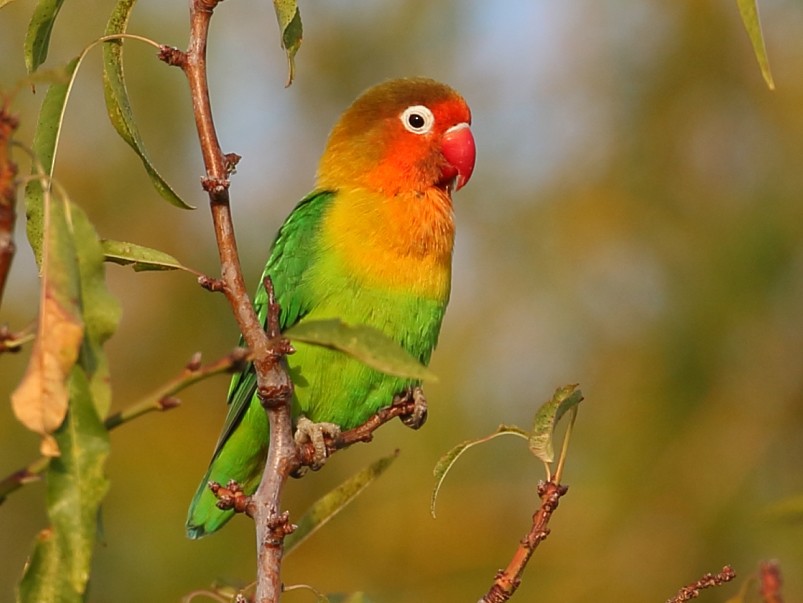
As we delve into the captivating world of parrots, one species that stands out for its striking appearance and endearing nature is the Agapornis fischeri, commonly known as the inseparable lovebird. Native to Kenya and Tanzania, this tiny bird has been a favorite among bird enthusiasts and breeders alike.
Characteristics of the Inseparable Lovebird
The Agapornis fischeri is the second most widely kept species of inseparable lovebirds in captivity. Its distinctive appearance features a green plumage with a reddish coral beak, making it an attractive addition to any bird collection. Weighing around 40-50 grams and measuring approximately 15 centimeters in length, this small parrot boasts a striking color pattern.
Habitat of the Agapornis fischeri
In its natural habitat, the inseparable lovebird is found in colonies at altitudes between 1,000 to 1,700 meters above sea level. It inhabits regions near water sources and thrives in areas with abundant vegetation. In Tanzania, it has colonized the Lake Victoria region, while in Kenya, it can be spotted in acacia bushlands and grassy plains.
Behavior of the Agapornis fischeri
In terms of its personality, the inseparable lovebird is known for being social and affectionate. Its distinctive call sounds like a high-pitched, repetitive whistle that can sometimes be modified to resemble a chirping sound. This species also employs a unique form of communication with its mates and young, characterized by continuous gurgling noises.
Breeding and Reproduction
In the wild, the inseparable lovebird’s breeding season begins after the April rains and lasts until July. Nests are typically built in tree cavities or on the branches of palm trees. Interestingly, nests have been observed even in December in regions with high water availability.
Diet and Nutrition
The Agapornis fischeri follows a diet similar to that of other lovebird species. It is primarily granivorous, with a preference for seeds, particularly those from anacardia trees, as well as fruits like figs. In captivity, their diet consists of specialized seed mixes, fruits, and vegetables.
Mutations in Agapornis fischeri
There are several mutations observed in the Agapornis fischeri, including:
- Dark Eyes Clear
- Light Green
- White with Red markings
- Albino
- Opaline
These variations can significantly impact the appearance and behavior of individual birds.
CITES and Conservation
As a protected species under CITES (Convention on International Trade in Endangered Species of Wild Fauna and Flora), the Agapornis fischeri is subject to strict regulations regarding its trade. Breeders are required to declare the birth of any new individuals, ensuring that their genetic lineage remains intact.
Gabbia per Inseparabili Fischer: Una Guida Completa
The gabbia for an inseparable lovebird must be spacious enough to accommodate flight and provide adequate play areas for mental stimulation. Accessorize with toys and water features to ensure a happy, active bird.
Frequently Asked Questions (FAQs)
- What is the average lifespan of an Agapornis fischeri in captivity?
- 15-20 years
- How often should I feed my Agapornis fischeri?
- Twice a day, providing balanced nutrition and fresh water
- Can I breed Agapornis fischeri in captivity?
- Yes, but ensure you have proper knowledge and resources to provide optimal care for the birds.
- What are some common health issues affecting Agapornis fischeri?
- Respiratory problems, feather plucking, and nutritional deficiencies
- Can I keep multiple Agapornis fischeri together in the same gabbia?
- Yes, but ensure proper introduction and supervision to avoid conflicts.
- How often should I clean my Agapornis fischeri’s cage?
- Daily, removing soiled bedding and providing a clean environment
- What is the recommended humidity level for an Agapornis fischeri’s habitat?
- 40-60%
- Can I use natural materials like wood or bamboo to line my cage?
- Yes, but ensure they are safe and non-toxic for your bird.
By following these guidelines and tips, you can provide the best possible care for your Agapornis fischeri and enjoy a long-lasting relationship with this delightful species.


