
Are you planning to embark on a safari adventure in the African continent? You must know what dangers await. Have you ever wondered which animals are the most perilous in Africa? In this article, we’ll present a quick ranking that will answer your question.
Africa is home to some of the most fascinating and awe-inspiring wildlife on the planet. However, with great beauty comes great danger. From venomous snakes to massive carnivores, the African continent is teeming with animals that can pose a significant threat to human life. In this article, we’ll explore the top 10 most dangerous animals in Africa, ranked from 10 to 1.
The Top 10 Most Dangerous Animals in Africa
Here’s our list of the top 10 most dangerous animals in Africa, ranked from 10 to 1:
10 The Widow Spider
Found in southern Africa, this spider doesn’t attack humans but will not hesitate to do so when threatened. Its venom is particularly neurotoxic, causing severe physical shock.
- The widow spider’s venom is considered one of the most toxic spider venoms, with a mortality rate of up to 90% if left untreated.
- These spiders are expert hunters, using their webs to capture unsuspecting insects and small animals.
- Despite their deadly venom, widow spiders are generally not aggressive towards humans unless provoked.
9 The Rhinoceros
With its powerful horns and massive weight, the rhinoceros can trample and gore its victims with ease.
- There are five species of rhinoceros found in Africa, including the black rhinoceros and the white rhinoceros.
- Despite conservation efforts, rhino poaching remains a significant threat to these magnificent creatures.
- Rhino horns are highly valued on the black market, leading to widespread poaching and habitat loss.
8 The African Scorpion
Its venom rapidly reaches the central nervous system, causing significant damage.
- The African scorpion is found throughout sub-Saharan Africa and is considered one of the most venomous spiders in the world.
- Their venom contains a potent neurotoxin that can cause respiratory failure, cardiac arrest, and even death.
- These scorpions are nocturnal, making them less visible to humans during the day.
7 The Black Buffalo
Despite being vegetarian, these buffalo are deadly. Reaching speeds of 50 km/h, they can quickly overwhelm their prey.
- Also known as African buffaloes or Cape buffaloes, these animals are found in savannas and grasslands across sub-Saharan Africa.
- Despite their size and strength, black buffaloes are excellent swimmers and have been known to wade into rivers and lakes in search of food.
- These animals are highly social and live in large herds, making them difficult to spot or avoid.
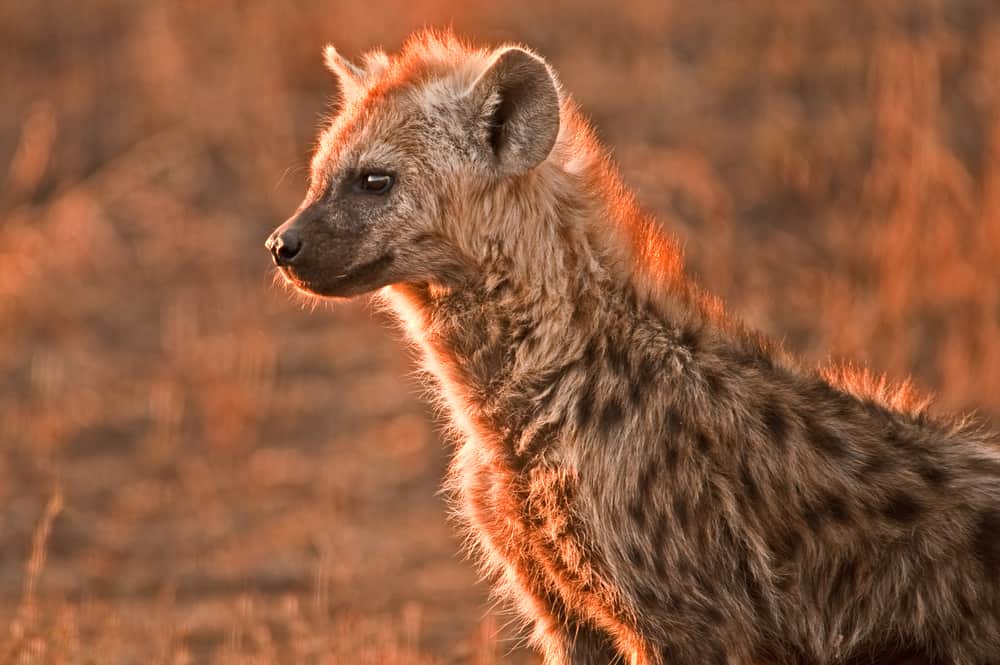
6 The Spotted Hyena
With jaws strong enough to break human bones, spotted hyenas are a force to be reckoned with. While they generally don’t attack humans, they will if given the opportunity.
- Spotted hyenas are found throughout sub-Saharan Africa and are known for their distinctive spotted coats and loud, cackling calls.
- These carnivores are highly intelligent and adaptable, making them successful hunters in a variety of habitats.
- Despite their fearsome reputation, spotted hyenas are generally not aggressive towards humans unless they feel threatened or cornered.
5 The Gabon Viper
Thanks to its mottled skin, the Gabon viper is expertly camouflaged in its habitat, often attacking unsuspecting victims before they realize what’s happening. This venomous snake holds another record: it has the deadliest bite on Earth, destroying blood vessels and muscle tissue while causing death.
- The Gabon viper is found in central Africa, from Senegal to Tanzania, and is considered one of the most venomous snakes in the world.
- These snakes are highly mobile and can be found in a variety of habitats, including forests, grasslands, and savannas.
- Despite their deadly venom, Gabon vipers are generally not aggressive towards humans unless provoked or threatened.
4 The Lion
Often referred to as the “King of the Forest,” lions are fearless predators that will attack without hesitation when they feel threatened or when hunting their prey.
- There are three subspecies of lion found in Africa: the panthera leo bleyenberghi, the panthera leo krugeri, and the panthera leo melanochaita.
- Despite their regal appearance, lions are highly social animals that live in prides, which are typically made up of several females, their cubs, and one or more males.
- These carnivores are apex predators, playing a crucial role in maintaining the balance of ecosystems across sub-Saharan Africa.
3 The Black Mamba
With its deadly venom, this snake is feared throughout Africa. Its bite causes confusion, loss of vision, and eventually death.
- The black mamba is found in eastern and southern Africa, from South Africa to Kenya.
- These snakes are highly mobile and can be found in a variety of habitats, including forests, grasslands, and savannas.
- Despite their deadly venom, black mambas are generally not aggressive towards humans unless provoked or threatened.
2 The Hippopotamus
Despite its seemingly gentle appearance, hippos are responsible for a significant number of human deaths each year. If they feel threatened or if someone invades their territory, they will unleash their powerful jaws and deadly intent.
- Hippos are found in rivers and lakes across sub-Saharan Africa, from South Africa to Kenya.
- These massive carnivores are herbivores, feeding on grasses, leaves, and aquatic plants.
- Despite their size and strength, hippos are excellent swimmers and can reach speeds of up to 30 km/h when chasing prey or escaping danger.
1 The Nile Crocodile
As the most feared alligator in the world, Nile crocodiles claim over 100 human lives annually. Once they’ve bitten, they’ll drag their victims into the water to drown and devour them.
- The Nile crocodile is found in sub-Saharan Africa, from South Sudan to Botswana.
- These massive carnivores are apex predators, playing a crucial role in maintaining the balance of ecosystems across eastern and southern Africa.
- Despite conservation efforts, Nile crocodiles remain one of the most threatened species on the planet, due to habitat loss, poaching, and human-wildlife conflict.
Are you ready for your African adventure? Before we conclude, let’s look at some frequently asked questions about these animals:
Frequently Asked Questions
- Q: Are there any other animals on this list that are not typically aggressive towards humans?
A: Yes, animals like lions and black buffaloes may not actively seek to attack humans but will defend themselves when necessary. - Q: Can I avoid encounters with these animals by taking precautions during my safari trip?
A: Yes, being aware of your surroundings and following expert guides can significantly reduce the risk of encountering these animals. - Q: Are there any specific vaccinations or medications recommended for traveling in Africa?
A: Consult with a medical professional before traveling to Africa to discuss necessary vaccinations and medications. - Q: Can I see the animals on this list in captivity, such as zoos?
A: Yes, many of these animals can be found in zoos and wildlife sanctuaries, providing a safer alternative for animal enthusiasts.
By being aware of the dangers that lurk in the African wilderness, you’ll be better prepared to enjoy your safari adventure while staying safe. Remember to respect these incredible creatures and their habitats, and never approach or touch wild animals, even if they seem harmless.
Conclusion
Africa is home to some of the most fascinating and awe-inspiring wildlife on the planet. From venomous snakes to massive carnivores, the African continent is teeming with animals that can pose a significant threat to human life. By understanding the dangers that lurk in the wild and taking necessary precautions, you’ll be able to enjoy your safari adventure while minimizing the risk of encountering these incredible creatures.
Whether you’re a seasoned adventurer or just starting to plan your trip, it’s essential to be aware of the potential risks involved. By doing so, you’ll be better equipped to appreciate the beauty and diversity of African wildlife, while also ensuring your safety and well-being.
So, pack your bags, grab your binoculars, and get ready for an unforgettable adventure in the heart of Africa!


