
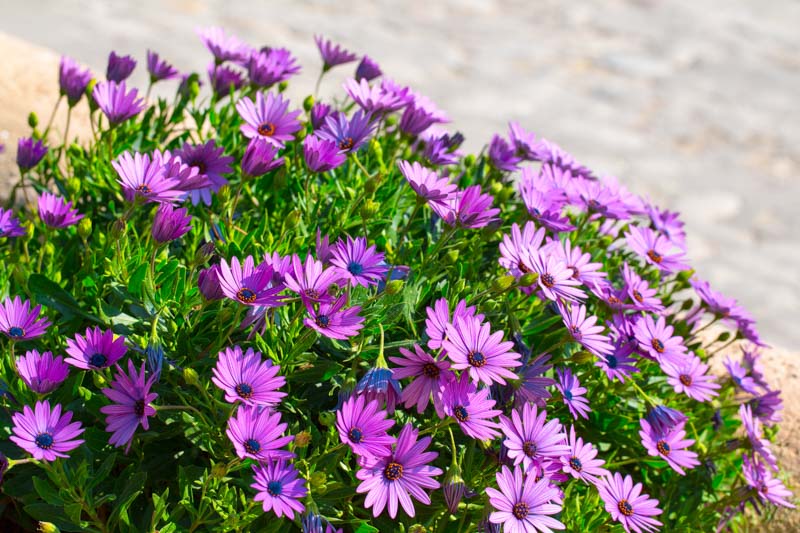
As the seasons change and winter sets in, many of us look to our gardens for a burst of color and vibrancy. The marguerite african is one flower that can bring this joy, with its bright colors and energetic blooms. But what exactly is this flower, and how can you grow it in your own garden?
The History of the Marguerite African
This beautiful flower takes its name from its similarity to the traditional English daisy, as well as its geographical origins in southern Africa. The marguerite african has been cultivated for many years, with a wide range of varieties to choose from. From delicate whites and pinks to bold oranges and yellows, this flower is sure to add some excitement to your garden.
Types of Marguerite African
There are several types of marguerite african, each with its own unique characteristics. Some of the most popular varieties include:
- Dimorphoteca pluvialis: A low-growing annual that blooms from May to September, producing white flowers with a deep red center.
- Dimorphoteca aurantica: A warm-weather lover with bright orange flowers that can grow up to 30-40 cm tall.
- Dimorphoteca osteospermum: A versatile variety that comes in a range of colors and forms, from yellow to purple.
Where to Grow Your Marguerite African
The marguerite african is a sun-loving flower, making it perfect for south-facing gardens or indoor pots. If you live in an area with harsh winters, be sure to protect your plant from frost by moving it indoors or using a cold frame. Use a well-draining potting mix and keep the soil consistently moist, but avoid overwatering.
Caring for Your Marguerite African
Taking care of this flower is relatively easy. Make sure your plant receives plenty of direct sunlight, and consider pruning it back to encourage bushy growth. In winter, protect your plant from extreme temperatures by moving it indoors or using a frost blanket.
Propagating Your Marguerite African
The marguerite african can be propagated through seed or stem cutting. To propagate through seeds, wait until the flowers have faded and collect the seeds. Plant them in a moist potting mix and keep them warm and humid until germination occurs. For stem cutting, take 10 cm sections of stem from your mother plant and remove lower leaves before planting.
Common Problems
Unfortunately, like all plants, the marguerite african is not immune to pests and diseases. Common problems include:
- Root rot caused by overwatering
- Aphids, which can cause flowers to turn yellow or drop off
- Whiteflies, which can spread disease
To prevent these problems, make sure your plant receives good air circulation, and keep the soil consistently moist but not waterlogged.
Where to Buy
If you’re looking to start growing your own marguerite african, consider purchasing a mix of 40 seeds from Amazon. This will give you a variety of colors to choose from and ensure that your flowers bloom early in the season.
Growing your own marguerite african can be a fun and rewarding experience, especially when it comes to enjoying its beautiful blooms. By following these tips and guidelines, you’ll be well on your way to creating a stunning garden filled with vibrant flowers.
FAQs
- What is the best time to plant a marguerite african?
The best time to plant a marguerite african depends on your location, but generally, spring and fall are the best times to plant. - How often should I water my marguerite african?
Make sure to water your marguerite african consistently, but avoid overwatering. Allow the soil to dry slightly between waterings. - Can I grow a marguerite african indoors?
Yes, you can grow a marguerite african indoors, provided it receives plenty of direct sunlight and has good air circulation.
Tips for Growing Marguerite African in Different Regions
- In tropical regions: Provide shade during the hottest part of the day to prevent scorching. Use a well-draining potting mix and keep the soil consistently moist.
- In temperate regions: Plant your marguerite african in a location with full sun and good air circulation. Water regularly, but avoid overwatering.
- In areas with harsh winters: Bring your plant indoors or use a cold frame to protect it from extreme temperatures.
Creating a Marguerite African Garden
If you’re looking to create a beautiful garden filled with vibrant flowers, consider incorporating the marguerite african into your design. Here are some tips for creating a stunning marguerite african garden:
- Choose a variety of colors: Select different varieties of marguerite african in various colors to create a visually appealing display.
- Use a mix of annuals and perennials: Combine annuals like the marguerite african with perennials like daisies and sunflowers for a diverse and thriving garden.
- Add some greenery: Incorporate plants with varying textures and foliage, such as ferns and grasses, to add depth and interest to your garden.
By following these tips and guidelines, you’ll be well on your way to creating a stunning marguerite african garden that brings joy and beauty to your outdoor space.



