
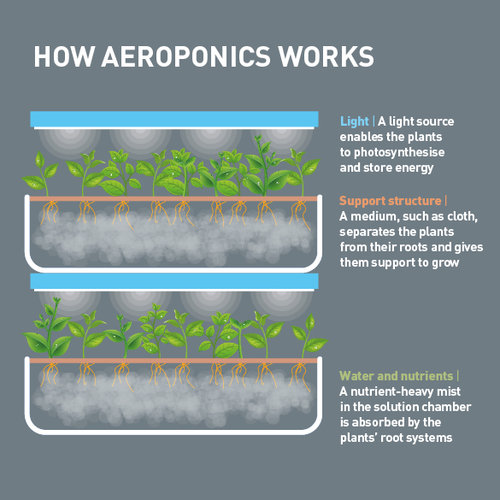
Aeroponic cultivation is a revolutionary method of growing plants without the use of soil. This technique uses nutrient-rich solutions to feed the roots of the plant, allowing for maximum growth and productivity. In this article, we’ll delve into the world of aeroponic cultivation, exploring its history, benefits, applications, and troubleshooting.
What is Aeroponic Cultivation?
Aeroponic cultivation involves suspending plants in the air using a medium such as rockwool or coco coir, which allows for maximum exposure to oxygen and light. The roots of the plant are then fed a nutrient-rich solution through a nebulizing system, providing all the necessary nutrients for growth.
History of Aeroponic Cultivation
While aeroponic cultivation has been around for decades, it’s only recently gained mainstream attention as a sustainable and efficient method of growing plants. In Italy and Europe, aeroponic cultivation is still in its early stages, but in countries like the United States, Canada, and Australia, it’s becoming increasingly popular.
Industrial Applications
In the industrial sector, aeroponic cultivation has gained significant traction, particularly in the production of crops such as lettuce, tomatoes, and cucumbers. This method allows for year-round production, regardless of climate or seasonality. The benefits of aeroponic cultivation in an industrial setting include:
- Increased crop yields
- Reduced water consumption (up to 90% less than traditional farming methods)
- Lower energy costs
- Improved plant health and reduced pest management needs
Domestic Applications
While aeroponic cultivation can be applied in various settings, it’s particularly well-suited for indoor gardening. In a domestic setting, aeroponic cultivation offers several advantages:
- Space-saving design
- Low-maintenance operation
- High crop yields
- Improved air quality
To replicate the ideal conditions for plant growth indoors, consider investing in a grow box or smart garden system.
Benefits of Aeroponic Cultivation
Aeroponic cultivation offers several benefits over traditional farming methods:
- Reduced water consumption: By using a nutrient-rich solution instead of soil, aeroponic cultivation can reduce water usage by up to 90%.
- Increased crop yields: The controlled environment and optimal nutrient delivery system used in aeroponic cultivation can lead to increased plant growth and higher yields.
- Lower energy costs: Aeroponic cultivation systems often require less energy than traditional farming methods, as they use advanced LED lighting and climate control systems.
Applications of Aeroponic Cultivation
Aeroponic cultivation has numerous applications across various industries:
- Hydroponics: Using aeroponics in hydroponics allows for even more efficient water usage and nutrient delivery.
- Vertical Farming: Aeroponics is ideal for vertical farming, where space is limited and crops are grown in vertically stacked layers.
- Indoor Gardening: Aeroponics can be used to create indoor gardens, providing fresh produce year-round.
Troubleshooting Common Issues
While aeroponic cultivation is a relatively low-maintenance method of growing plants, there may be times when issues arise:
- Nutrient deficiencies: Regularly test your nutrient solution and adjust as necessary.
- Root bound: Transplant the plant into a larger container to accommodate its growth.
- Pests: Use integrated pest management techniques to minimize the risk of pests.
Conclusion
Aeroponic cultivation is a game-changing method of growing plants without soil. With its numerous benefits, including reduced water consumption, increased crop yields, and lower energy costs, it’s no wonder that aeroponic cultivation is gaining popularity worldwide. Whether you’re looking to start an indoor garden or scale up your industrial production, aeroponic cultivation offers a sustainable and efficient solution for growing plants.
Frequently Asked Questions
- What are the benefits of using an aeroponic system for plant growth?
- Reduced water consumption: Aeroponic systems use up to 90% less water than traditional farming methods.
- Increased crop yields: The controlled environment and optimal nutrient delivery system used in aeroponic cultivation can lead to increased plant growth and higher yields.
- How do I choose the right grow box or smart garden system for my indoor garden?
- Consider your specific needs, including climate control, lighting, and nutrient delivery.
- What types of crops are well-suited for aeroponic cultivation?
- Leafy greens, tomatoes, cucumbers, and other warm-season crops thrive in aeroponic systems.
Additional Resources


