
The Amazing Aechmea Fasciata: Unveiling the Secrets of the “Giant of Roses”
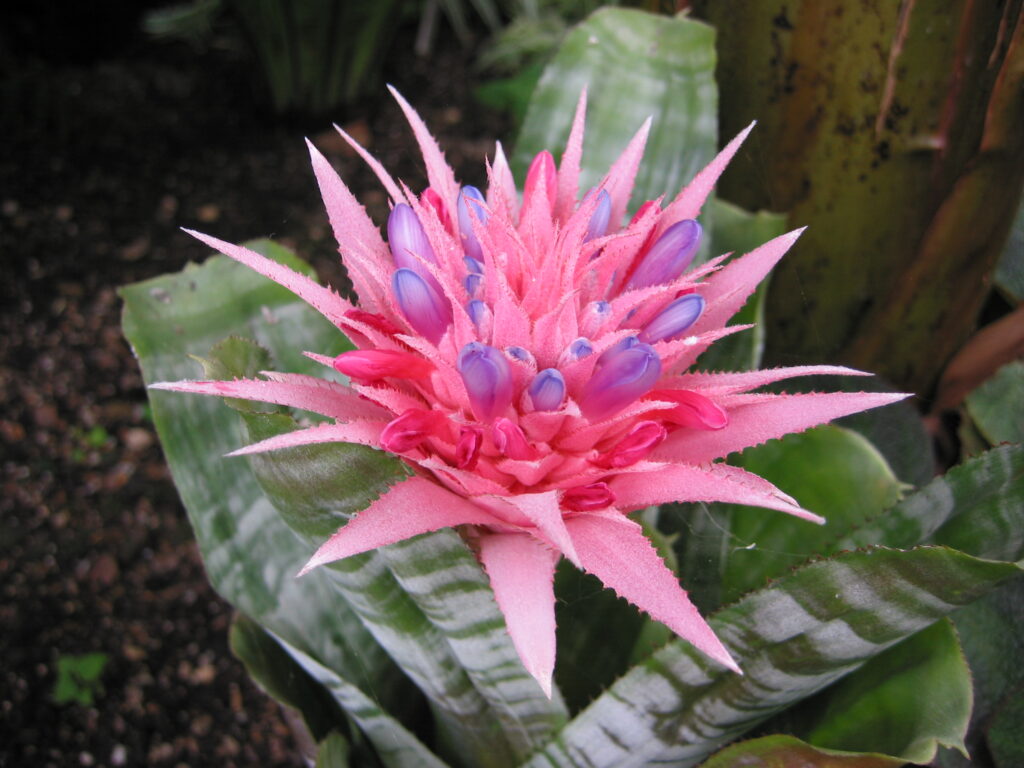
Tucked away in the lush canopies of the tropical forests, the Aechmea fasciata stands out as a stunning example of nature’s artistry. Dubbed the “Giant of Roses” due to its majestic appearance, this captivating plant is a must-know for any botany enthusiast or green-thumbed individual looking to add some excitement to their indoor garden.
What is Aechmea Fasciata?
Originating from the Americas, specifically Brazil, Aechmea fasciata is a member of the Bromeliaceae family. This remarkable plant boasts striking features that have captivated botanists and gardeners alike for centuries. Its unique characteristics make it an ideal choice for those seeking to add a touch of drama to their indoor space.
Characteristics of Aechmea Fasciata
One of the most striking aspects of this plant is its robust foliage, which resembles a crown-like formation at its center. The broad, strap-like leaves can reach up to 60 cm in length and 10-15 cm in width, providing ample shade for the delicate flowers that bloom underneath. But what makes Aechmea fasciata truly special?
In nature, this plant is an epiphyte, attaching itself to other plants using its rizomatos root system. When grown indoors, however, it’s essential to provide sufficient support to prevent the plant from toppling over due to its considerable weight.
Cultivating Aechmea Fasciata: Tips and Tricks
To ensure your Aechmea fasciata thrives in your care, follow these simple guidelines:
- Temperature: Maintain a consistent temperature range of 18-20°C (64-68°F) to promote healthy growth and blooming.
- Lighting: Provide bright, indirect light. Direct sunlight can damage the plant’s leaves, so be sure to filter it with sheer curtains or blinds.
- Humidity: Mist your Aechmea fasciata regularly, ideally using distilled water, to maintain a comfortable humidity level around 50-60%.
- Watering: Avoid overwatering; instead, ensure the soil is consistently moist but not waterlogged. You can also use the “drip irrigation” method by placing the pot on a saucer and adding water as needed.
- Fertilization: Feed your Aechmea fasciata with a balanced fertilizer during the growing season (spring-fall), following the manufacturer’s instructions.
Aechmea Fasciata Varieties: Exploring the World of Hybrids
While the classic “Giant of Roses” is undoubtedly stunning, many enthusiasts have successfully bred hybrid varieties that showcase different colors and unique characteristics. Some notable examples include:
- Blue Rain: A popular choice among enthusiasts, this variety boasts vibrant blue flowers and heart-shaped leaves with a glossy finish.
- Crown Jewel: This rare hybrid features stunning pink-purple flowers surrounded by iridescent blue-green foliage.
Propagation of Aechmea Fasciata
Aechmea fasciata is easily propagated through offsets or leaf cuttings. To propagate using offsets:
- Choose a healthy offset with a well-developed crown.
- Gently remove the offset from the mother plant, taking care not to damage any roots.
- Allow the offset to dry out for 24-48 hours to prevent root rot.
- Plant the offset in a well-draining potting mix, securing it firmly but gently.
To propagate using leaf cuttings:
- Choose healthy leaves with a sharp tip and minimal browning.
- Cut off the tips of the leaves using sterile scissors or a sharp blade.
- Allow the cut ends to dry out for 24-48 hours before planting in a well-draining potting mix.
- Secure the leaf cutting firmly but gently, making sure the soil is consistently moist.
Tips and Tricks for Propagation
To ensure successful propagation of your Aechmea fasciata:
- Use a well-draining potting mix to prevent root rot.
- Maintain high humidity during propagation to promote healthy growth.
- Avoid overwatering or underwatering, as this can lead to root damage.
Conclusion
With its captivating appearance, fascinating growth habits, and relatively low maintenance requirements, the Aechmea fasciata is an excellent addition to any indoor garden. By following these simple care guidelines and exploring the diverse range of hybrids available, you can unlock the full potential of this incredible plant and bask in the beauty of its unique blooms.
Frequently Asked Questions
- Q: How often should I water my Aechmea fasciata?
- A: Water your Aechmea fasciata thoroughly until it’s evenly moist, then let the top inch of soil dry out between waterings.
- Q: Can I grow Aechmea fasciata outdoors in a greenhouse?
- A: Yes, with proper care and protection from extreme weather conditions, you can successfully cultivate your Aechmea fasciata outdoors in a well-ventilated greenhouse.
- Q: How long do the flowers on an Aechmea fasciata last?
- A: The flowers typically bloom for several weeks before wilting and falling off the plant, making way for new blooms to form.
- Q: Can I propagate my Aechmea fasciata through division or leaf cuttings?
- A: Yes, using a sterile tool, gently remove the offset from the mother plant, allowing it to dry out for 24-48 hours before planting in a well-draining potting mix.
- Q: Are there any specific pests that can harm my Aechmea fasciata?
- A: Be on the lookout for mealybugs and spider mites; gently treat infestations with insecticidal soap or neem oil, following product instructions carefully to avoid harming your plant.
- Q: Can I fertilize my Aechmea fasciata during the winter months?
- A: Yes, a balanced fertilizer can be applied during the winter season to maintain the plant’s overall health and encourage new growth when the weather warms up again.
By embracing these tips and tricks, you’ll be well on your way to creating a stunning indoor garden featuring this captivating plant. Happy growing!


