
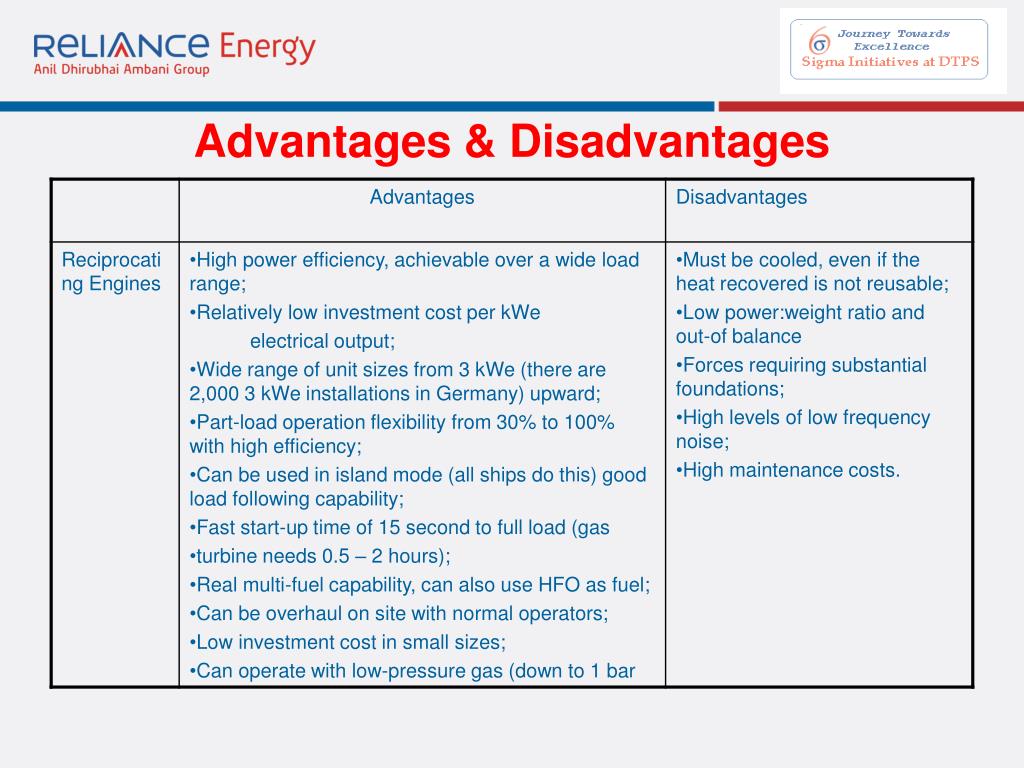
High-performance cogeneration is a technology that produces both heat and electricity from a single fuel source. It uses the waste heat from the exhaust gases to generate additional electricity, reducing energy losses and increasing overall efficiency.
What is High-Performance Cogeneration?
High-performance cogeneration, also known as high-efficiency cogeneration or hybrid power generation, is a technology that has been around for several decades. It was first developed in the 1960s by Dr. Frank Kreith, who founded the International Association of Cogeneration and Distributed Energy.
How Does High-Performance Cogeneration Work?
A high-performance cogeneration system works by using a single fuel source, such as natural gas, to produce both heat and electricity. The system consists of two main components: a boiler and a turbine. The boiler produces steam, which is then used to drive the turbine. The turbine generates electricity, while also producing waste heat that can be used for other purposes.
The process typically works as follows:
- A fuel source, such as natural gas, is fed into the system.
- The fuel is burned in a combustion chamber, producing hot exhaust gases.
- The hot exhaust gases are then directed to a heat exchanger, where they transfer their heat to a working fluid.
- The working fluid is then pumped through a turbine, which generates electricity as it spins.
- The waste heat from the turbine is then used for other purposes, such as heating or cooling.
The Benefits of High-Performance Cogeneration
High-performance cogeneration has several benefits, including:
- Increased energy efficiency: By generating both heat and electricity from a single fuel source, high-performance cogeneration reduces energy losses and increases overall efficiency.
- Reduced greenhouse gas emissions: By using waste heat to generate electricity, high-performance cogeneration can reduce greenhouse gas emissions compared to traditional power generation methods.
- Improved system reliability: High-performance cogeneration systems are often more reliable than traditional power generation systems, as they are less prone to failures due to reduced energy losses.
- Cost savings: High-performance cogeneration can provide cost savings by reducing energy costs and increasing overall efficiency.
The Limitations of High-Performance Cogeneration
Despite its many benefits, high-performance cogeneration also has several limitations:
- High upfront costs: The initial investment required for a high-performance cogeneration system is often higher than that of traditional power generation systems.
- Complexity: High-performance cogeneration systems are often more complex than traditional power generation systems, which can make them more difficult to maintain and repair.
- Limited scalability: High-performance cogeneration systems may not be suitable for small-scale applications, such as individual homes or small businesses.
Applications of High-Performance Cogeneration
High-performance cogeneration has several potential applications:
- Industrial processes: High-performance cogeneration can provide energy for industrial processes, reducing the need for external energy sources.
- Commercial buildings: High-performance cogeneration can be used to power commercial buildings, reducing energy costs and increasing overall efficiency.
- Data centers: High-performance cogeneration can provide power for data centers, reducing energy costs and increasing overall efficiency.
Micro-Cogeneration
Micro-cogeneration is a type of high-performance cogeneration that is designed for small-scale applications. It uses a single fuel source to generate both heat and electricity, with the goal of providing self-sufficiency in energy production. Micro-cogeneration can be used in a variety of settings, including:
- Individual homes: Micro-cogeneration can provide power for individual homes, reducing energy costs and increasing overall efficiency.
- Small businesses: Micro-cogeneration can be used to power small businesses, such as offices or restaurants.
- Remote locations: Micro-cogeneration can provide power for remote locations, such as rural areas or islands.
Fuel Cells
Fuel cells are a type of high-performance cogeneration technology that uses chemical reactions to generate electricity and heat. They have several potential applications:
- Transportation: Fuel cells can be used to power vehicles, reducing greenhouse gas emissions and increasing overall efficiency.
- Stationary power generation: Fuel cells can be used to generate electricity for stationary applications, such as data centers or commercial buildings.
- Portable power generation: Fuel cells can be used to provide portable power for a variety of applications, including camping or emergency response.
Incentives for High-Performance Cogeneration
High-performance cogeneration has several incentives that make it an attractive option:
- Tax credits: Many governments offer tax credits for the purchase and installation of high-performance cogeneration systems.
- Rebates: Utility companies may offer rebates for customers who install high-performance cogeneration systems.
- Grants: Some government agencies offer grants for research and development of new high-performance cogeneration technologies.
Conclusion
High-performance cogeneration is a technology that has several benefits, including increased energy efficiency, reduced greenhouse gas emissions, and improved system reliability. However, it also has some limitations, such as high upfront costs and complexity. Despite these challenges, high-performance cogeneration has several potential applications, including industrial processes, commercial buildings, data centers, individual homes, small businesses, and remote locations.
Frequently Asked Questions
Q: What is the definition of high-performance cogeneration?
A: High-performance cogeneration is a technology that produces both heat and electricity from a single fuel source.
Q: What are the benefits of high-performance cogeneration?
A: The benefits of high-performance cogeneration include increased energy efficiency, reduced greenhouse gas emissions, improved system reliability, and cost savings.
Q: What are the limitations of high-performance cogeneration?
A: The limitations of high-performance cogeneration include high upfront costs, complexity, and limited scalability.
Q: What are some potential applications of high-performance cogeneration?
A: High-performance cogeneration has several potential applications, including industrial processes, commercial buildings, data centers, individual homes, small businesses, and remote locations.
Q: What is micro-cogeneration?
A: Micro-cogeneration is a type of high-performance cogeneration that is designed for small-scale applications.
Q: What are fuel cells?
A: Fuel cells are a type of high-performance cogeneration technology that uses chemical reactions to generate electricity and heat.


