
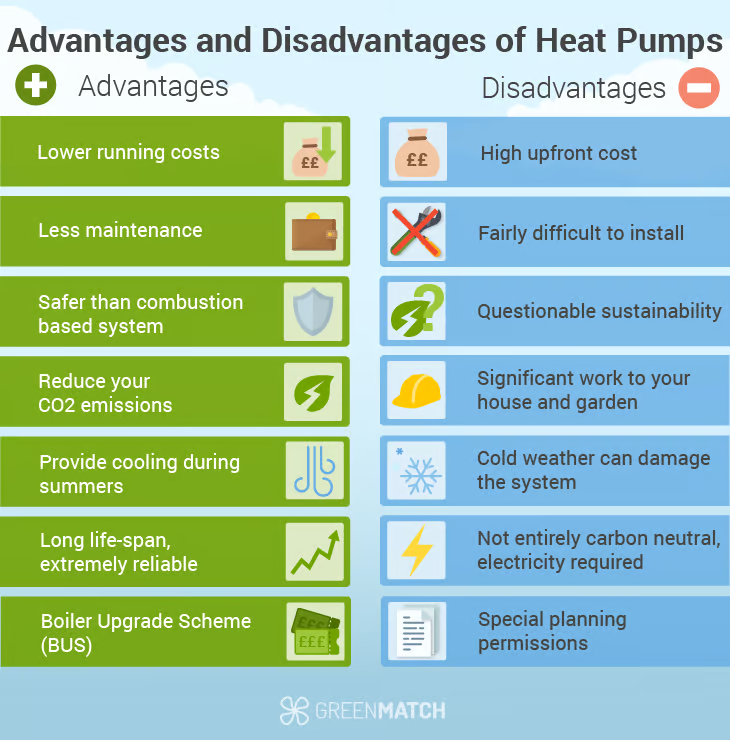
As a highly efficient heating solution, ground source heat pumps (GSHPs) have gained popularity in recent years due to their ability to produce more energy than they consume. However, the installation process can be complex and requires careful consideration of various factors.
The Energy-Efficient Advantage
One of the primary benefits of GSHPs is their high energy efficiency. By harnessing natural energy from the ground, these systems can produce up to 5 kWh of heat energy for every 1 kWh of electricity used. This results in significant cost savings, especially when compared to traditional gas-fired boilers.
The economic benefits of GSHPs are further enhanced by the fact that they require less energy to operate than traditional heating systems. For instance, an installed GSHP can save homeowners up to 40% on their annual energy bills. Additionally, the system’s ability to provide both heating and cooling makes it an attractive option for homes with high heat demands.
From an environmental perspective, GSHPs offer a sustainable alternative to fossil fuel-based heating systems. By utilizing renewable energy sources, these systems reduce greenhouse gas emissions and contribute to a cleaner environment.
The Limitations of Ground Source Heat Pumps
While GSHPs have many benefits, there are also some limitations to consider. One major drawback is the relatively low temperature of the water produced by these systems. This can result in lower efficiency during colder months and may not be suitable for all regions.
Another consideration is the increased energy required to power the GSHP’s compressor, which can lead to higher electricity bills. Additionally, the installation process can be costly, as it requires extensive excavation and piping work.
The Installation Process
One of the primary challenges associated with GSHPs is their complex installation process. The system requires a large area of land for digging trenches and installing pipes, which can increase costs and require specialized labor. Furthermore, the installation must meet specific design and installation standards to ensure optimal performance and safety.
However, with careful planning and execution, the benefits of GSHPs can outweigh the drawbacks. A thorough assessment of the site’s potential, including factors like soil type and depth, is crucial to determining the feasibility of a GSHP system.
Choosing the Right Ground Source Heat Pump System
When considering a GSHP system, it’s essential to evaluate various factors, including:
- The suitability of your location for GSHP installation
- The potential energy savings and cost reductions
- The system’s compatibility with existing infrastructure and building codes
- The availability of financing options and incentives
By carefully weighing these factors, homeowners can make an informed decision about whether a GSHP is the right choice for their heating needs.
Frequently Asked Questions
- How do ground source heat pumps work?
Ground source heat pumps use natural energy from the ground to produce heat energy. They consist of a series of underground pipes filled with fluid, which absorb and release heat as needed. - What are the benefits of installing a GSHP system?
The primary benefit of a GSHP system is its high energy efficiency, which can result in significant cost savings and reduced greenhouse gas emissions. - Are GSHPs suitable for all locations?
While GSHPs can be installed in many regions, they may not be feasible in areas with poor soil quality or limited space. - How much does a GSHP system cost?
The installation cost of a GSHP system varies widely depending on factors like location, site conditions, and system design. - Can I use a GSHP system for both heating and cooling?
Yes, many GSHP systems can provide both heating and cooling, making them an attractive option for homes with high heat demands. - Are there any financing options available for GSHP installations?
Yes, various incentives and financing options are available to help offset the upfront costs of installing a GSHP system. - What is the typical lifespan of a GSHP system?
The average lifespan of a GSHP system is around 20-30 years, although some systems have been known to last for 50 years or more with proper maintenance. - Can I install a GSHP system myself?
No, it’s generally recommended that GSHP installations be performed by trained and certified professionals due to the complexity of the system and safety concerns.
Types of Ground Source Heat Pumps
There are several types of GSHP systems available, each with its own unique characteristics and benefits. These include:
- Horizontal GSHPs: This type of system involves installing pipes in trenches near the surface of the ground.
- Vertical GSHPs: In this system, pipes are installed vertically into the ground.
- Closed-Loop GSHPs: The fluid used to absorb and release heat is contained within a closed-loop system.
- Open-Loop GSHPs: This type of system involves circulating water from a well or borehole to extract heat.
Comparison with Traditional Heating Systems
When comparing GSHP systems to traditional heating systems, several factors come into play. These include:
- Energy Efficiency: GSHPs are highly energy-efficient, producing more energy than they consume.
- Cost Savings: The annual cost savings associated with installing a GSHP system can be significant.
- Environmental Impact: GSHPs offer a sustainable alternative to fossil fuel-based heating systems.
However, traditional heating systems have their own set of benefits and drawbacks. These include:
- Reliability: Traditional heating systems are generally more reliable than GSHPs.
- Initial Cost: While GSHPs require a significant upfront investment, they can save homeowners money in the long run.
- Maintenance: GSHPs require regular maintenance to ensure optimal performance.
Conclusion
Ground source heat pumps offer a highly efficient and sustainable heating solution for homes in regions suitable for installation. By understanding the benefits and drawbacks of GSHPs, homeowners can make an informed decision about whether this system is right for their heating needs.


