
If you’ve noticed a yellowish, greasy, and scaly rash on your scalp, you might be dealing with an adult milk crust. This condition is more rare than its infantile counterpart, but it’s just as harmless. In this article, we’ll delve into the characteristics of adult milk crust, its causes, symptoms, treatment options, and prevention strategies.
What is Adult Milk Crust?
Adult milk crust, also known as pityriasis capitis or seborrheic dermatitis, is a non-contagious skin condition that doesn’t reflect the level of personal hygiene. It can occur even when the individual maintains excellent cleanliness and health.
Imagine your scalp as a fertile ground for fungal growth. When these fungi thrive, they can cause inflammation and irritation, leading to an adult milk crust. While it’s not contagious, poor hygiene can exacerbate the condition.
Causes of Adult Milk Crust
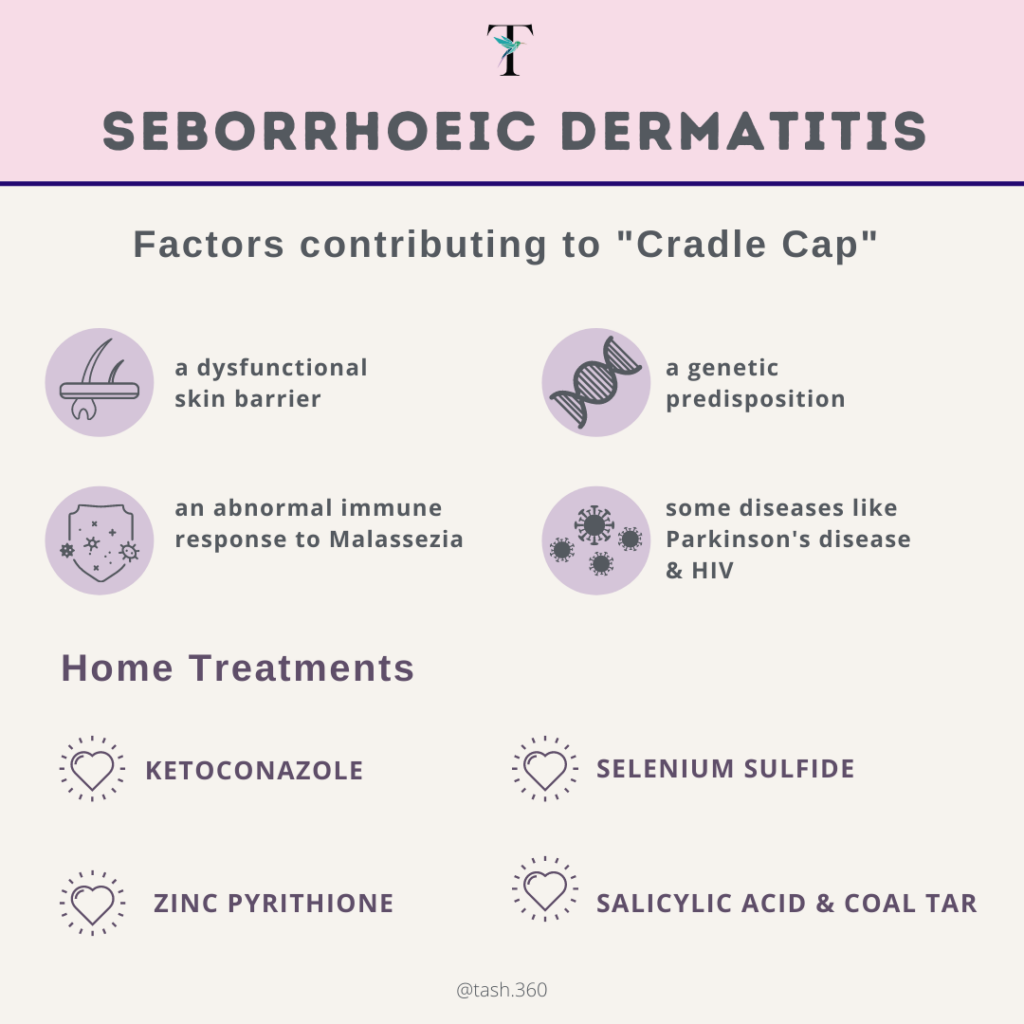
Despite extensive research, the exact causes of adult milk crust remain unclear. However, several factors contribute to its development:
- Overactive sebaceous glands: These glands produce sebum, an oily substance that can clog pores and lead to inflammation.
- Fungal infections: Certain types of fungi thrive in warm, moist environments, like the scalp. When they infect the skin, they can cause irritation and scaling.
- Antibiotics: Taking antibiotics can disrupt the balance of beneficial bacteria on the skin, leading to fungal overgrowth.
Symptoms of Adult Milk Crust
The symptoms of adult milk crust are similar to those experienced by infants with this condition:
- Yellowish or greasy patches: These patches can appear on the scalp, behind the ears, nose, and other areas.
- Scaly skin: The affected skin may become dry, itchy, and scaly due to overactive sebaceous glands or fungal infections.
- Redness: Mild inflammation can cause redness in the affected area.
Treatment Options for Adult Milk Crust
While adult milk crust is rarely serious, its treatment depends on the severity of symptoms:
- Mild cases: Using a gentle shampoo and conditioner can help remove flakes and soothe the skin.
- Moderate cases: Applying an anti-fungal or antibacterial cream may be necessary to combat fungal overgrowth.
- Severe cases: In more severe instances, doctors might prescribe antifungal or antibacterial medications.
Prevention Strategies
While it’s challenging to prevent adult milk crust entirely, some measures can reduce the risk:
- Maintain good hygiene: Regularly wash your hair and scalp with a gentle shampoo.
- Use anti-dandruff shampoos: Products containing zinc pyrithione or ketoconazole can help control fungal growth.
- Avoid harsh chemicals: Minimize exposure to chemicals that can irritate the scalp.
Conclusion
Adult milk crust is a common condition characterized by yellowish, greasy patches on the scalp. While its causes remain unclear, several factors contribute to its development. With proper treatment and prevention strategies, adults can manage this condition effectively. If you’re experiencing symptoms of adult milk crust, consult your doctor for personalized advice.
Frequently Asked Questions
- What triggers adult milk crust?: Adult milk crust is often triggered by overactive sebaceous glands, fungal infections, or the use of antibiotics.
- Can adult milk crust be contagious?: No, adult milk crust is not contagious and cannot be spread through contact with others.
- How do I prevent adult milk crust?: Maintaining good hygiene, using anti-dandruff shampoos, and avoiding harsh chemicals can help reduce the risk of developing adult milk crust.
- What are the most common areas affected by adult milk crust?: The scalp is usually affected, but other areas like behind the ears, nose, and cheeks can also be involved.
- Can adult milk crust be cured?: With proper treatment, adult milk crust can be managed effectively, and symptoms can be reduced or eliminated.
Additional Information
- Adult milk crust is more common in people with certain medical conditions, such as eczema or psoriasis.
- Some people may experience adult milk crust due to hormonal changes during puberty or menopause.
- There is no cure for adult milk crust, but it can be managed effectively with proper treatment and prevention strategies.
Seeking Professional Help
If you’re experiencing symptoms of adult milk crust, consult your doctor for personalized advice. They can help determine the cause of your condition and recommend appropriate treatments. In some cases, a dermatologist may need to examine your scalp to confirm the diagnosis and develop a treatment plan.
Managing Adult Milk Crust at Home
While it’s essential to seek professional help, there are steps you can take to manage adult milk crust at home:
- Use a gentle shampoo and conditioner to remove flakes and soothe the skin.
- Apply an anti-fungal or antibacterial cream to combat fungal overgrowth.
- Avoid harsh chemicals that can irritate the scalp.
Conclusion
Adult milk crust is a common condition characterized by yellowish, greasy patches on the scalp. While its causes remain unclear, several factors contribute to its development. With proper treatment and prevention strategies, adults can manage this condition effectively. If you’re experiencing symptoms of adult milk crust, consult your doctor for personalized advice.
References
- “Pityriasis capitis.” Medscape.
- “Seborrheic dermatitis.” American Academy of Dermatology.
- “Adult seborrheic dermatitis.” The British Journal of Dermatology.
- “Dandruff and pityriasis capitis.” Mayo Clinic.
- “Treatment of adult seborrheic dermatitis.” The Journal of Clinical and Aesthetic Dermatology.
Please note that while this article provides general information on adult milk crust, it is not a substitute for personalized medical advice. Consult your doctor if you have concerns about your skin health.


