
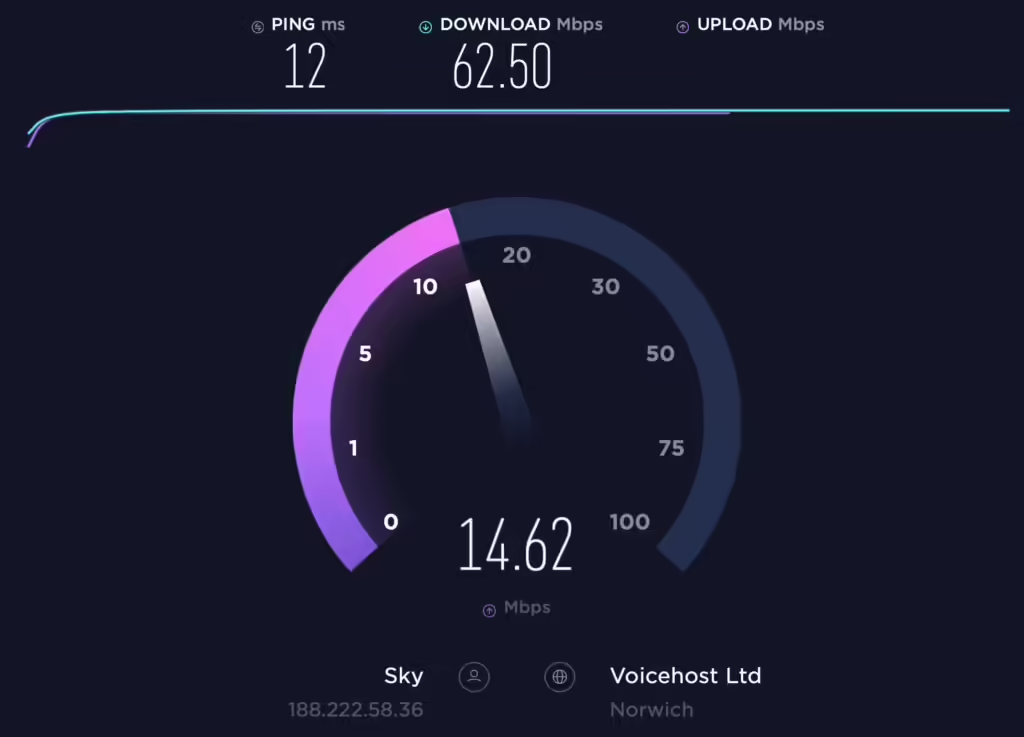
When you sign up for an ADSL service, you expect it to deliver on its promises. But what if the actual speed of your connection is slower than promised? That’s where a speed test comes in – but do you really know how important it is?
Understanding ADSL Speed Test
An ADSL speed test measures the speed at which data is transferred between your device and the internet service provider (ISP). It helps you determine if you’re getting what you paid for. But why does this matter? In Italy, the digital divide is a significant issue, with many areas lacking adequate internet connectivity.
The Digital Divide: A Major Challenge
The digital divide refers to the disparity in access to technology and internet services between different communities. It’s a major challenge in Italy, with many towns and cities struggling to provide reliable and fast internet connections. According to the World Economic Forum, Italy has one of the lowest rates of broadband penetration in Europe.
Why Speed Test ADSL Matters
A speed test can help you identify if your ADSL connection is faster than expected. But why does this matter? Here are a few reasons:
- Better Value for Money: If your ADSL service is slower than promised, you might be overpaying for a service that’s not delivering on its promises.
- Improved Online Experience: A faster ADSL connection can significantly improve your online experience, whether you’re streaming videos, gaming, or working from home.
- Enhanced Competitiveness: A reliable and fast ADSL connection is essential for businesses and entrepreneurs looking to stay competitive in the digital age.
Factors That Affect ADSL Speed
So, what factors can affect ADSL speed? Here are a few:
- Time of Day: The time of day when you connect to your ADSL service can impact its speed.
- Geographical Location: Your geographical location can also impact ADSL speed. Areas with limited infrastructure or high levels of congestion might experience slower speeds.
- Cabling and Technology: The type of cabling used and the technology employed by your ISP can also affect ADSL speed.
Using a Speed Test to Compare ADSL Providers
One of the most important uses of a speed test is comparing different ADSL providers. By using a speed test, you can determine which provider offers the fastest speeds in your area. This can help you choose the best provider for your needs and budget.
How to Conduct a Speed Test
Conducting a speed test is relatively easy:
- Choose a Speed Test Website: Choose a reputable speed test website that provides accurate results.
- Select Your ADSL Provider: Select your ADSL provider from the list of options provided by the speed test website.
- Run the Speed Test: Run the speed test and wait for the results to be displayed.
Tips for Optimal Performance
To optimize your ADSL performance, here are a few tips:
- Upgrade Your Equipment: Consider upgrading your ADSL equipment to take full advantage of faster speeds.
- Adjust Your Settings: Adjust your settings on your device to optimize performance.
- Contact Your ISP: Contact your ISP if you experience any issues with your ADSL connection.
Advanced Techniques for Measuring ADSL Speed
While a standard speed test can provide valuable insights into your ADSL connection’s performance, there are also some advanced techniques you can use to gain a deeper understanding of your connection’s capabilities:
- Conducting Multiple Tests: Conducting multiple speed tests over time can help identify any changes in your connection’s performance.
- Using Different Testing Tools: Using different testing tools and software can provide more accurate results and give you a better understanding of your connection’s performance.
- Monitoring Your Connection’s Quality: Monitoring your connection’s quality and detecting any issues or bottlenecks can help you identify areas for improvement.
The Role of Internet Service Providers in ADSL Speed
Internet service providers (ISPs) play a crucial role in ensuring that their customers receive fast and reliable internet connections. Here are some ways ISPs can impact ADSL speed:
- Investing in Infrastructure: Investing in infrastructure such as fiber-optic cables, routers, and modems can help improve ADSL speeds.
- Optimizing Network Configuration: Optimizing network configuration can also improve ADSL speeds by reducing congestion and bottlenecks.
- Providing Technical Support: Providing technical support to customers can help identify and resolve any issues that may be affecting their ADSL connection’s performance.
The Importance of Regular Maintenance
Regular maintenance is essential for ensuring that your ADSL connection remains fast and reliable. Here are some ways you can maintain your connection:
- Updating Your Equipment: Updating your equipment regularly can ensure that it remains compatible with the latest technology and standards.
- Running Diagnostic Tests: Running diagnostic tests can help identify any issues or problems with your connection’s performance.
- Monitoring Your Connection’s Quality: Monitoring your connection’s quality and detecting any issues or bottlenecks can help you identify areas for improvement.
Conclusion
In conclusion, measuring ADSL speed is crucial for ensuring that you’re getting what you paid for. By conducting a speed test and comparing different providers, you can determine which provider offers the fastest speeds in your area. Remember to take into account factors such as time of day, geographical location, cabling, and technology when evaluating your ADSL performance.
Frequently Asked Questions
- How often should I conduct a speed test?
- You should conduct a speed test at least once a month to ensure that your ADSL connection is performing optimally.
- What are the most common factors that affect ADSL speed?
- The most common factors that affect ADSL speed include time of day, geographical location, cabling, and technology.
- Can I use my computer’s built-in tools to conduct a speed test?
- Yes, you can use your computer’s built-in tools to conduct a speed test. However, it’s recommended to use a dedicated speed test website for more accurate results.
- How do I contact my ISP if I experience issues with my ADSL connection?
- You can contact your ISP through their customer support phone number or email address.
- Can I upgrade my ADSL equipment to improve performance?
- Yes, you can upgrade your ADSL equipment to take full advantage of faster speeds. However, this may require a visit from an ISP technician.
Common Speed Test Results
Here are some common speed test results that may indicate issues with your ADSL connection:
- Low Download Speeds: If your download speeds are consistently lower than 10 Mbps, it may be a sign that there’s a problem with your connection.
- High Latency: If your latency is consistently higher than 50 ms, it may be a sign that there’s a problem with your connection.
- Dropped Connections: If you experience frequent dropped connections or disconnections from the internet, it may be a sign that there’s a problem with your connection.
Conclusion
In conclusion, measuring ADSL speed is crucial for ensuring that you’re getting what you paid for. By conducting a speed test and comparing different providers, you can determine which provider offers the fastest speeds in your area. Remember to take into account factors such as time of day, geographical location, cabling, and technology when evaluating your ADSL performance.
Additional Resources
- Speed Test Websites: There are several speed test websites available that provide accurate results. Some popular options include Speedtest.net, Fast.com, and DSLReports.
- ISP Customer Support: Your ISP customer support team can help you troubleshoot any issues with your connection or answer any questions you may have about your ADSL service.
By following these tips and using the resources provided, you can ensure that your ADSL connection is fast and reliable. Don’t hesitate to reach out if you have any further questions or concerns!


