
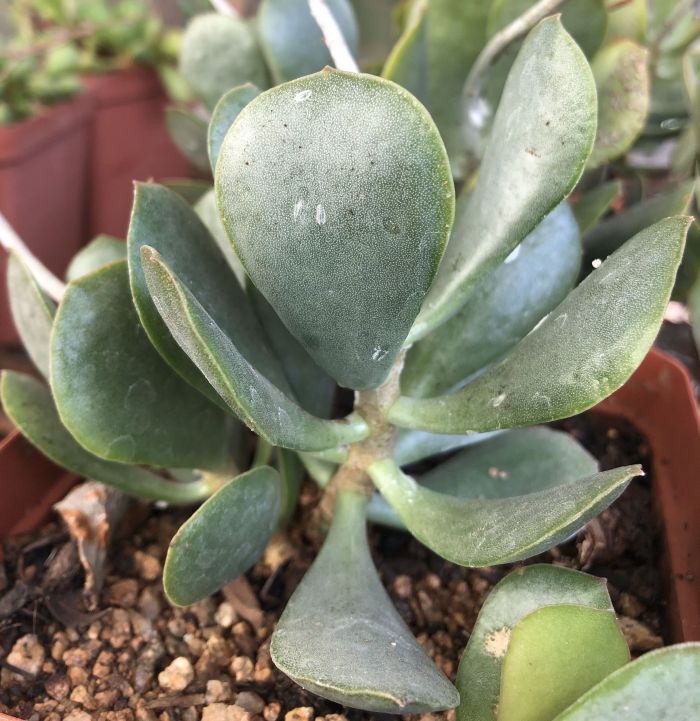
As a succulent enthusiast, you’re likely familiar with the fascinating world of plants that store water in their leaves and stems. One such plant is Adromischus, a genus of succulents native to South Africa and southern Namibia. In this article, we’ll delve into the characteristics of Adromischus, its care requirements, and some interesting facts about this unique plant.
What are Adromischus?
Adromischus is a genus of succulents that consists of around 50 species, divided into five sub-species. These plants are known for their striking appearance, with thick, fleshy leaves that grow in rosettes, often with maculated colors ranging from orange to purple. Adromischus plants are relatively small, with an average height of about 10 cm (4 inches), and a short or absent stem with aerial roots.
Characteristics of Adromischus
- Stem and Leaves: The plant’s most distinctive feature is its ability to store water in both the leaves and stems. This allows it to thrive in areas with limited rainfall.
- Foliage: The leaves are fleshy and waxy, with a smooth surface, and come in various shapes, including heart-shaped, oval, and linear.
- Flowers: Adromischus produces small, white, or pinkish flowers that appear between spring and summer. These flowers are often inconspicuous but add to the plant’s overall charm.
How to Care for an Adromischus
To keep your Adromischus thriving, follow these care tips:
- Lighting: Provide bright, indirect light, as direct sunlight can cause leaf scorch.
- Temperature: Keep the temperature between 25-30°C (77-86°F), with a slight drop in temperature during winter months.
- Watering: Water sparingly, allowing the soil to dry out completely between waterings. Avoid overwatering, which can lead to root rot.
Propagation and Maturity
Adromischus is relatively easy to propagate using leaf cuttings or division. To do this:
- Take a healthy leaf from the mother plant and cut it off at the base.
- Allow the cut end to dry for 24 hours before planting in well-draining soil.
- Place the cutting in a bright, warm location, where it will develop roots.
Common Problems
Some common issues that can affect Adromischus include:
- Pests: Check for pests like mealybugs, spider mites, and aphids, which can be treated with insecticidal soap or neem oil.
- Diseases: Fungal diseases can occur if the plant is overwatered or exposed to high humidity.
Interesting Facts
Adromischus has some unique characteristics that make it stand out in the world of succulents:
- Color Significance: The color of the leaves and flowers can indicate the plant’s maturity.
- Resilience: In the language of flowers, Adromischus symbolizes resilience.
Frequently Asked Questions
Here are some frequently asked questions about Adromischus:
Q: How often should I water my Adromischus?
A: Water your Adromischus sparingly, allowing the soil to dry out completely between waterings.
Q: Can I propagate my Adromischus using seeds?
A: Yes, you can propagate your Adromischus using seeds, but this method is less common and may not yield the same results as leaf cuttings or division.
Q: How big will my Adromischus plant grow?
A: Adromischus plants are relatively small, with an average height of about 10 cm (4 inches).
Q: Can I grow Adromischus in a pot?
A: Yes, Adromischus can be grown in pots, but make sure the pot has good drainage holes to prevent waterlogged soil.
Q: Are there any specific fertilizers I should use for my Adromischus?
A: Feed your Adromischus with a balanced, water-soluble fertilizer during the growing season (spring and summer).
Q: Can I grow Adromischus in a low-light environment?
A: While Adromischus prefers bright light, it can tolerate some shade. However, direct sunlight should be avoided to prevent leaf scorch.
Q: Are there any specific pruning techniques for my Adromischus?
A: Prune your Adromischus plant regularly to maintain its shape and encourage new growth. Remove any dead or damaged leaves or stems, and cut back overgrown sections to encourage bushy growth.
Adromischus Sub-Species
There are five sub-species of Adromischus:
- A. crassicaulis: This sub-species has thick, fleshy leaves with a waxy texture.
- A. macrophylla: This sub-species has large, rounded leaves that can grow up to 5 cm (2 inches) in diameter.
- A. marlothii: This sub-species has thin, pointed leaves that are often reddish-brown in color.
- A. montana: This sub-species has thick, fleshy leaves with a greenish tint and white margins.
- A. stellulata: This sub-species has small, star-shaped flowers that appear between spring and summer.
Adromischus Cultivation
While Adromischus is relatively low-maintenance, it still requires some specific conditions to thrive:
- Soil: Use a well-draining potting mix specifically designed for cacti and succulents.
- Pot size: Choose a pot that is slightly larger than the plant’s root system to allow for proper growth.
- Repotting: Repot your Adromischus every 1-2 years in the spring, using fresh soil and a slightly larger pot.
Adromischus Propagation
Propagation is an essential aspect of succulent care, as it allows you to multiply your favorite plants:
- Leaf cuttings: Take healthy leaf cuttings from the mother plant and allow them to dry for 24 hours before planting in well-draining soil.
- Division: Divide the plant into smaller sections, making sure each section has at least one root node.
Common Mistakes
Some common mistakes that can affect Adromischus include:
- Overwatering: Avoid watering your Adromischus too frequently, as this can lead to root rot.
- Underwatering: Make sure to water your Adromischus regularly during the growing season (spring and summer).
- Poor light conditions: Provide bright, indirect light for your Adromischus to thrive.
Tips for Beginners
If you’re new to succulent care, here are some tips to help you get started:
- Start with small plants: Begin with small, young plants that are easier to care for.
- Monitor watering: Make sure to water your plant sparingly, allowing the soil to dry out completely between waterings.
- Provide good light conditions: Place your Adromischus in a bright, indirect location to promote healthy growth.
By following these tips and guidelines, you can create a thriving environment for your Adromischus plant and enjoy its unique beauty for years to come. Whether you’re an experienced succulent enthusiast or just starting out, Adromischus is sure to delight with its striking appearance and low-maintenance care requirements.


