
Acupuncture is a form of traditional Chinese medicine that has been practiced for thousands of years. But what exactly is acupuncture, and how does it work? In this article, we will explore the world of acupuncture, its benefits, and its potential drawbacks.
What is Acupuncture?
Acupuncture is a medical practice that involves inserting thin needles into specific points on the body to stimulate the flow of energy, or “qi.” The practice is based on the concept of yin and yang, which describe the interconnectedness of opposites in the natural world. Proponents of acupuncture believe that by manipulating qi, practitioners can restore balance to the body and promote healing.
History of Acupuncture
Acupuncture has its roots in ancient China, where it was first practiced during the Shang Dynasty (16th-11th centuries BCE). The practice was based on the concept of qi, which was believed to flow through the body along specific pathways called meridians. Over time, acupuncture evolved and spread throughout Asia, eventually becoming a popular form of alternative medicine worldwide.
How Does Acupuncture Work?
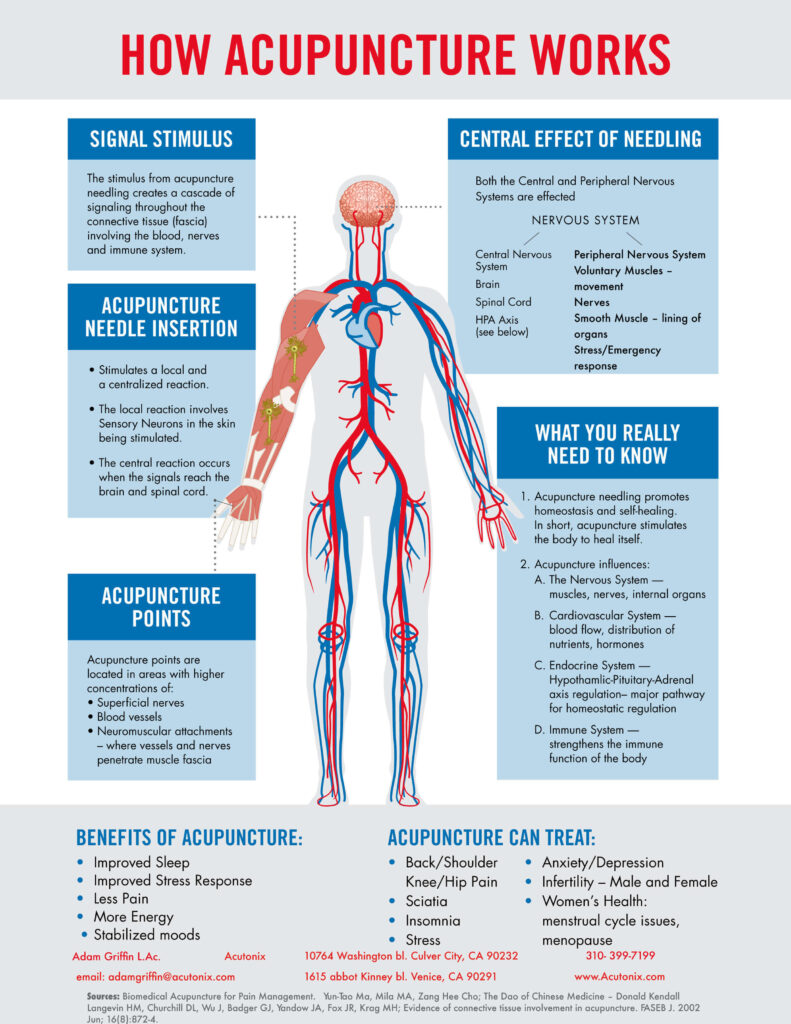
Acupuncture works by stimulating specific points on the body that correspond to different organs and systems. These points are believed to be connected to the flow of qi, which is thought to affect various aspects of health. When a needle is inserted into these points, it stimulates the release of neurotransmitters and other chemicals that can help to restore balance to the body.
The concept of qi is central to acupuncture, and understanding how it works requires an understanding of traditional Chinese medicine. According to this theory, the body contains a network of energy pathways, or meridians, through which qi flows. When these pathways become blocked or imbalanced, disease and illness can occur.
What Conditions Can Acupuncture Treat?
Acupuncture has been shown to be effective in treating a range of conditions, including:
- Chronic pain: Acupuncture has been shown to be effective in reducing chronic pain by releasing endorphins and other neurotransmitters that help to regulate pain perception.
- Migraines: Acupuncture has been found to reduce the frequency and severity of migraines by regulating blood flow and reducing inflammation.
- Digestive issues: Acupuncture can help to improve digestive function by stimulating the release of enzymes and hormones that aid digestion.
- Anxiety and depression: Acupuncture has been shown to reduce symptoms of anxiety and depression by promoting relaxation and reducing stress.
- Smoking cessation: Acupuncture has been found to be effective in helping smokers quit by reducing cravings and withdrawal symptoms.
- Weight loss: Acupuncture can help with weight loss by regulating appetite and metabolism.
How Does Acupuncture Compare to Other Therapies?
Acupuncture is often compared to other forms of alternative medicine, such as herbalism and homeopathy. While some studies have shown that acupuncture is more effective than these therapies for certain conditions, others have found mixed results. Ultimately, the effectiveness of acupuncture depends on a range of factors, including the skill of the practitioner, the specific condition being treated, and the individual’s overall health.
What to Expect During an Acupuncture Session
During an acupuncture session, you can expect the following:
- A thorough examination by the practitioner to determine which points to target
- The insertion of thin needles into specific points on the body
- Stimulation of these points through gentle manipulation or electrical impulses
- Relaxation and reduced stress
Types of Acupuncture
There are several types of acupuncture, including:
- Traditional Chinese medicine (TCM) acupuncture: This is the most common form of acupuncture, which involves inserting needles into specific points on the body to stimulate qi.
- Japanese acupuncture: This style of acupuncture is known for its emphasis on the use of fine needles and gentle manipulation.
- Korean acupuncture: This style of acupuncture combines elements of TCM and Western medicine.
How Many Sessions Are Needed?
The number of sessions needed for acupuncture depends on various factors, including the specific condition being treated and the individual’s overall health. Typically, 10-15 sessions are recommended over a period of several weeks or months.
What to Expect After an Acupuncture Session
After an acupuncture session, you can expect:
- Relief from pain or discomfort
- Improved sleep quality
- Increased energy levels
- Reduced stress and anxiety
Costs Associated with Acupuncture
The cost of acupuncture sessions can vary depending on the location, practitioner, and type of treatment. On average, a single session can cost anywhere from $70 to $150.
Conclusion
Acupuncture is a form of traditional Chinese medicine that has been practiced for thousands of years. While its effectiveness has been debated, recent studies have shown that acupuncture can be an effective treatment for a range of health conditions. If you’re considering trying acupuncture, talk to your doctor about the potential benefits and risks.
Frequently Asked Questions (FAQs)
- Q: Is acupuncture safe?
A: Acupuncture is generally considered safe when performed by a licensed practitioner. - Q: How does acupuncture work?
A: Acupuncture works by stimulating specific points on the body that correspond to different organs and systems, which helps restore balance to the body. - Q: Can acupuncture treat all health conditions?
A: While acupuncture has been shown to be effective for many conditions, it is not a substitute for conventional medical treatment. Consult with your doctor before trying acupuncture. - Q: How long does an acupuncture session take?
A: Sessions typically last 15-30 minutes, depending on the complexity of the treatment plan. - Q: Can I get acupuncture at home?
A: No, acupuncture requires specialized training and equipment to be performed safely and effectively. See a licensed practitioner for treatment. - Q: Will I feel pain during an acupuncture session?
A: Some people may experience mild discomfort or numbness during an acupuncture session, but it is generally not painful. - Q: Can I take medication before an acupuncture session?
A: Yes, consult with your doctor about any medications you’re taking and how they may interact with acupuncture.
Debunking Common Myths About Acupuncture
- Myth: Acupuncture is a form of magic or pseudoscience.
Reality: Acupuncture has been extensively studied and proven to be effective for many health conditions. - Myth: Acupuncture is only used to treat pain.
Reality: While acupuncture can be effective in treating pain, it also has a range of other applications, including improving digestive function, reducing stress and anxiety, and promoting weight loss. - Myth: Acupuncture is not safe because needles are inserted into the body.
Reality: When performed by a licensed practitioner, acupuncture is generally considered safe. However, there can be some risk of infection or allergic reaction to the needles.
Who Can Benefit from Acupuncture?
Acupuncture can benefit anyone who wants to improve their overall health and well-being. Some of the most common candidates for acupuncture include:
- People with chronic pain or fibromyalgia
- Individuals struggling with anxiety or depression
- Those looking to reduce stress and promote relaxation
- Smokers trying to quit
- Anyone seeking alternative treatment options
In conclusion, acupuncture is a form of traditional Chinese medicine that has been practiced for thousands of years. While its effectiveness has been debated, recent studies have shown that acupuncture can be an effective treatment for a range of health conditions. If you’re considering trying acupuncture, talk to your doctor about the potential benefits and risks.


