
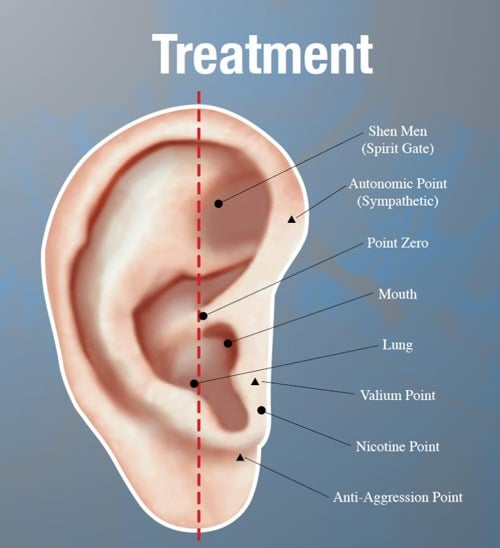
The quest for a smoke-free life is one of humanity’s most daunting challenges. Despite numerous attempts, many smokers find it impossible to break the habit. Amidst this struggle, acupuncture has emerged as a promising alternative, sparking interest and debate.
In this comprehensive exploration, we will delve into the intricacies of acupuncture, its efficacy in aiding nicotine cessation, and the complexities surrounding this ancient practice.
The Ancient Roots of Acupuncture
Acupuncture’s origins date back to China around 2000 BCE. Initially used for military treatment, it evolved into a sophisticated medical system that aimed to balance the body’s energy flow (known as Qi) through precise needle placements and manual manipulation.
Over time, acupuncture spread throughout Asia and eventually gained recognition in Western societies. Despite its long history, the scientific community remains divided on its effectiveness, with some researchers arguing that acupuncture is nothing more than a placebo effect.
The Science Behind Acupuncture
Acupuncture’s purported mechanism involves stimulating specific points along the body’s meridians (energy pathways) to restore equilibrium and alleviate symptoms. Proponents of this practice argue that needles interact with nerves, affecting neurotransmitter release and influencing brain function.
However, skeptics propose that acupuncture’s effects are due to the placebo effect or other external factors. Some studies suggest that acupuncture’s benefits may be linked to:
- Stress reduction: Acupuncture can help alleviate stress and anxiety by regulating the body’s response to stimuli.
- Pain management: The technique is often used to treat chronic pain conditions, which may indirectly contribute to nicotine withdrawal symptoms.
- Mood enhancement: Some studies indicate that acupuncture can improve mood and reduce symptoms of depression.
The Effectiveness of Acupuncture in Aiding Nicotine Cessation
Several studies have investigated the role of acupuncture in helping smokers quit. While some findings are promising, others raise questions about its efficacy.
- Small-scale studies: Many early trials showed that acupuncture increased nicotine withdrawal symptom reduction and improved mood.
- Large-scale trials: Subsequent investigations found limited evidence to support these initial claims, with results often conflicting between studies.
The Challenges in Evaluating Acupuncture
Several factors contribute to the difficulties in assessing acupuncture’s effectiveness:
- Lack of standardization: Different practitioners employ diverse techniques and needle placements, making it challenging to replicate findings.
- Limited sample sizes: Many studies feature small participant groups, which can lead to biased results.
- Short-term focus: Most research focuses on acute symptoms, neglecting long-term success rates.
Combining Acupuncture with Other Nicotine Cessation Strategies
Acupuncture is not a replacement for proven quit-smoking methods but rather one of several complementary tools that may enhance its effectiveness. Combining acupuncture with other strategies can help address various aspects of nicotine addiction:
- Medications: Prescription medications like bupropion and varenicline can augment acupuncture’s benefits in reducing withdrawal symptoms.
- Nicotine replacement therapy (NRT): NRT can provide an alternative to smoking, which may be particularly helpful for those struggling with the emotional aspects of quitting.
- Behavioral therapies: Cognitive-behavioral therapy and other behavioral approaches can help smokers address underlying psychological factors driving their habit.
A Word of Caution
While acupuncture may be a valuable tool in the quest for nicotine cessation, it is essential to maintain a critical perspective:
- Individual results vary: As with any treatment, outcomes depend on individual circumstances.
- Potential risks: Acupuncture can carry risks like bruising or infection if performed improperly.
- Unproven claims: Some practitioners make unsubstantiated claims about acupuncture’s benefits; proceed cautiously when seeking treatment.
In conclusion, while acupuncture holds promise as a complementary approach to aiding nicotine cessation, its effectiveness is still unclear. By considering this ancient practice within the context of other quit-smoking strategies and acknowledging both its potential benefits and limitations, smokers may find a more comprehensive path towards success.


