
Acupuncture is a traditional Chinese medicine practice that has gained popularity worldwide for its effectiveness in treating various health conditions. In this article, we will delve into the benefits of acupuncture, who can perform it, how it works, and when it’s suitable for use.
What is Acupuncture?
Acupuncture is a form of therapy where thin needles are inserted into specific points on the body to restore balance to the body’s energy flow. This practice has been used for centuries in China and is now widely accepted as a complementary medicine in the Western world.
History of Acupuncture
Acupuncture dates back over 2,000 years, with its origins rooted in ancient Chinese culture. The earliest recorded evidence of acupuncture comes from the Shang Dynasty (16th-11th centuries BC), where it was used to treat a variety of ailments, including pain, fatigue, and digestive issues.
Who Can Perform Acupuncture?
Only licensed medical professionals, such as doctors or acupuncturists, can perform acupuncture. In Italy, only those who have obtained a Diploma from the Federazione Italiana delle Società di Agopuntura (FISA) and are registered with the Registro dei Medici Agopuntuori are allowed to practice acupuncture.
What to Expect During an Acupuncture Session
During an acupuncture session, you can expect to feel a mild sensation of pinching or stinging as the needles are inserted into the skin. The needles are typically left in place for 15-30 minutes, and some people may experience numbness or tingling sensations after the treatment.
Benefits of Acupuncture
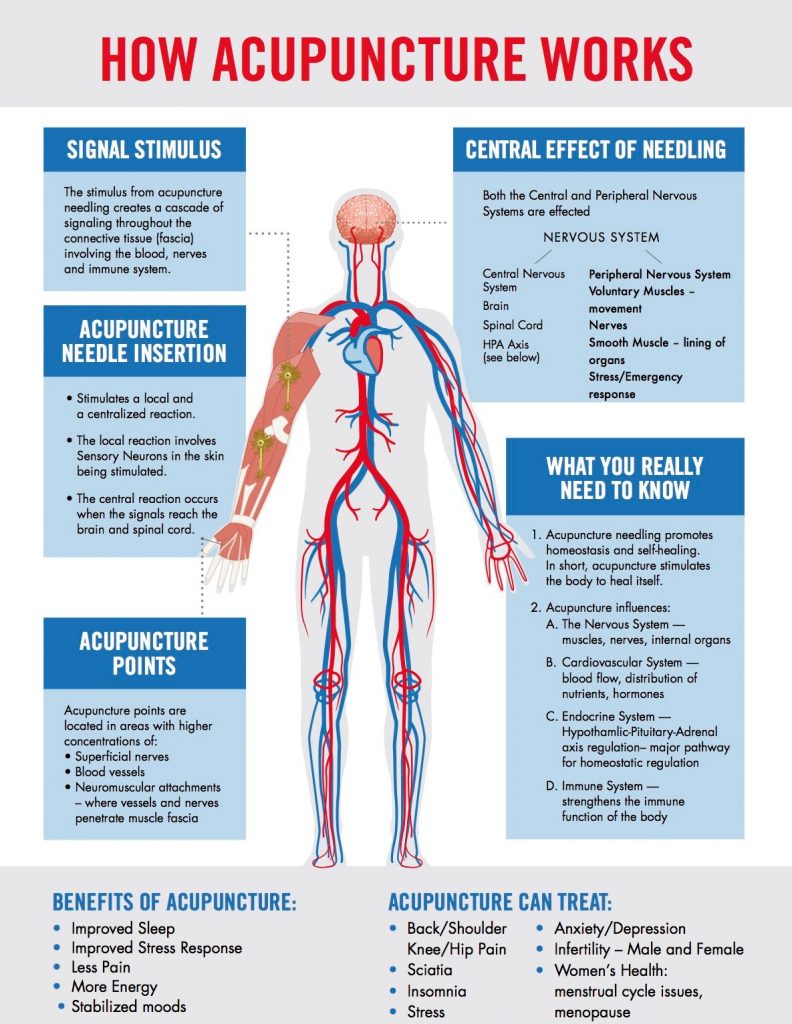
Acupuncture has been shown to have numerous benefits, including:
- Reduced Pain: Acupuncture is effective in reducing pain and discomfort associated with conditions such as arthritis, fibromyalgia, and migraines.
- Stress Relief: Acupuncture can help alleviate stress and anxiety by restoring balance to the body’s energy flow.
- Improved Sleep: Acupuncture has been shown to improve sleep quality and duration, leading to better overall health and well-being.
- Allergy Relief: Acupuncture may help reduce symptoms of allergies and improve immune function.
- Digestive Issues: Acupuncture can help alleviate digestive issues such as constipation, diarrhea, and irritable bowel syndrome (IBS).
- Menstrual Symptoms: Acupuncture has been shown to reduce menstrual cramps, bloating, and other symptoms associated with PMS.
How Does Acupuncture Work?
Acupuncture works by stimulating specific points on the body that are believed to be connected to various organs and systems. These points are located along meridians, or energy pathways, that run throughout the body. By inserting needles into these points, acupuncture practitioners aim to restore balance to the body’s energy flow, which is thought to improve overall health and well-being.
Types of Acupuncture
There are several types of acupuncture, including:
- Traditional Chinese Medicine (TCM) Acupuncture: This type of acupuncture follows the traditional principles of TCM, which emphasize the importance of balance and harmony in the body.
- Japanese Acupuncture: This type of acupuncture is based on the principles of TCM but uses different techniques and point selection methods.
- Western Acupuncture: This type of acupuncture is based on Western medical principles and often incorporates needles into specific areas of the body to stimulate pain relief.
When is Acupuncture Suitable for Use?
Acupuncture can be used to treat a wide range of health conditions, including:
- Pain Management: Acupuncture is effective in reducing pain associated with various conditions, such as arthritis, fibromyalgia, and migraines.
- Stress Relief: Acupuncture can help alleviate stress and anxiety by restoring balance to the body’s energy flow.
- Digestive Issues: Acupuncture can help alleviate digestive issues such as constipation, diarrhea, and IBS.
- Menstrual Symptoms: Acupuncture has been shown to reduce menstrual cramps, bloating, and other symptoms associated with PMS.
Frequently Asked Questions (FAQs)
- Is acupuncture safe?
- Acupuncture is generally considered safe when performed by a licensed professional.
- How long does an acupuncture session last?
- The length of an acupuncture session varies depending on the individual and the condition being treated, but typically ranges from 15-30 minutes.
- What are the benefits of acupuncture?
- Acupuncture has been shown to have numerous benefits, including reduced pain, stress relief, improved sleep, and allergy relief.
- Can anyone practice acupuncture?
- Only licensed medical professionals can perform acupuncture in Italy.
- Is acupuncture a substitute for conventional medical treatment?
- No, acupuncture should not be used as a substitute for conventional medical treatment without consulting with a healthcare professional.
If you have any further questions or concerns about acupuncture, please don’t hesitate to reach out to a licensed practitioner.



