
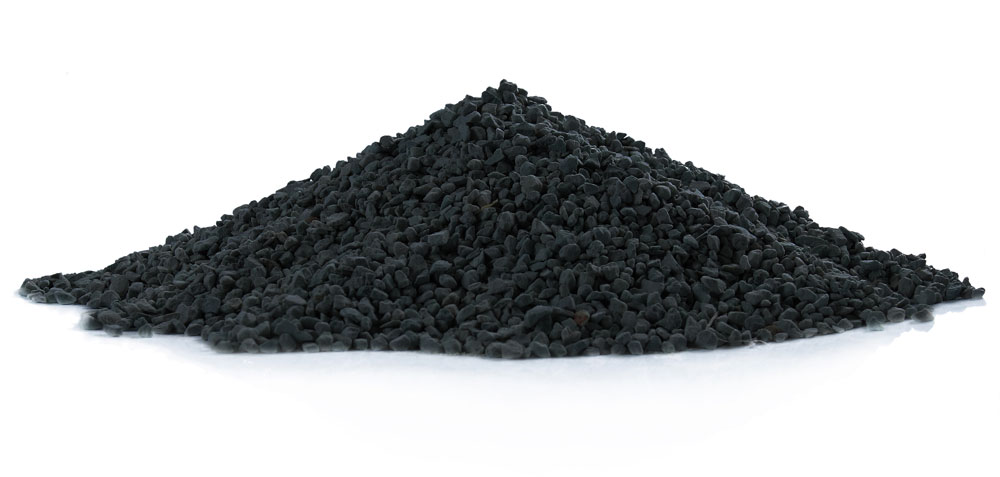
As an aquarist, you’re always on the lookout for ways to improve the health and well-being of your aquatic friends. One popular tool in their arsenal is activated carbon. But what exactly is it, and how can it benefit your aquarium? In this article, we’ll dive into the world of activated carbon and explore its uses, benefits, and limitations.
What is Activated Carbon?
Activated carbon, also known as carbone attivo, is a highly porous material made up of carbon dioxide. It’s composed mainly of carbon amorphous, which gives it its unique properties. The high surface area-to-volume ratio of activated carbon makes it an effective absorber of various substances.
The Science Behind Activated Carbon
Activated carbon works by using a process called adsorption, where the material attracts and holds onto particles or molecules through weak intermolecular forces. This allows activated carbon to absorb a wide range of substances, including gases, liquids, and solids. The unique properties of activated carbon make it an effective tool for removing impurities from water, air, and even biological systems.
What Does Activated Carbon Do?
Activated carbon serves different purposes depending on the application. In general, its use is related to absorption. In any case, activated carbon helps absorb diverse substances. For example:
- Water Treatment: Activated carbon is used in water treatment systems to remove impurities such as chlorine, chloramines, and other chemicals that can be harmful to humans and aquatic life.
- Air Purification: Activated carbon is used in air purifiers to remove impurities from the air, including gases, particles, and odors.
- Food Industry: Activated carbon is used in the food industry as a decolorant to absorb natural pigments of certain foods.
- Toxicity Removal: Activated carbon can be used to remove toxins from contaminated water by absorbing them through adsorption.
- Solvent Recovery: Activated carbon can be used to recover solvents from industrial processes, such as the extraction of essential oils.
Benefits of Using Activated Carbon
Using activated carbon in your aquarium has several benefits. Some of these include:
- Improved Water Quality: Activated carbon can help remove impurities and toxins from the water, resulting in improved water quality.
- Reduced Algae Growth: Activated carbon can help reduce algae growth by removing excess nutrients and other substances that contribute to its growth.
- Increased Fish Health: By removing impurities and toxins from the water, activated carbon can help increase fish health and well-being.
Limitations of Activated Carbon
While activated carbon has many benefits, it also has some limitations. Some of these include:
- Cost: Activated carbon can be expensive to purchase and replace.
- Maintenance: Activated carbon requires regular maintenance, including replacing it every few months or as needed.
- Limited Capacity: Activated carbon has a limited capacity for absorption, meaning that it can become saturated over time.
How Often Should You Change the Activated Carbon?
The frequency of replacing activated carbon depends on how often you use it:
- Aquariums with High Fish Waste: If your aquarium is well-maintained and has high fish waste, you may need to change the activated carbon every few months.
- Aquariums with Low Fish Waste: If your aquarium has low fish waste, you may only need to change the activated carbon every 6-12 months.
Types of Activated Carbon
There are several types of activated carbon available for use in aquariums. Some of these include:
- Granular Activated Carbon: This is the most common type of activated carbon and is used in many aquarium filters.
- Powdered Activated Carbon: This type of activated carbon is often used in aquarium water treatments and can be added directly to the tank.
Can You Reuse or Regenerate Activated Carbon?
Activated carbon cannot be reused or regenerates easily. To get rid of toxins from contaminated water use activated carbon only:
- Aquariums with High Fish Waste: If your aquarium is well-maintained and has high fish waste, you may need to change the activated carbon every few months.
- Aquariums with Low Fish Waste: If your aquarium has low fish waste, you may only need to change the activated carbon every 6-12 months.
How to Use Activated Carbon
Using activated carbon in your aquarium is relatively simple. Here are some general steps:
- Choose the Right Type of Activated Carbon: Select a granular or powdered activated carbon that is suitable for use in your aquarium.
- Measure the Amount of Activated Carbon Needed: Calculate how much activated carbon you need to add to your filter or sump system based on the size of your tank and the amount of fish waste produced.
- Add the Activated Carbon: Add the calculated amount of activated carbon to your filter or sump system.
- Monitor Water Quality: Regularly monitor water quality by testing for ammonia, nitrite, and nitrate levels.
Where to Buy Activated Carbon
You can buy activated carbon on Amazon.


