
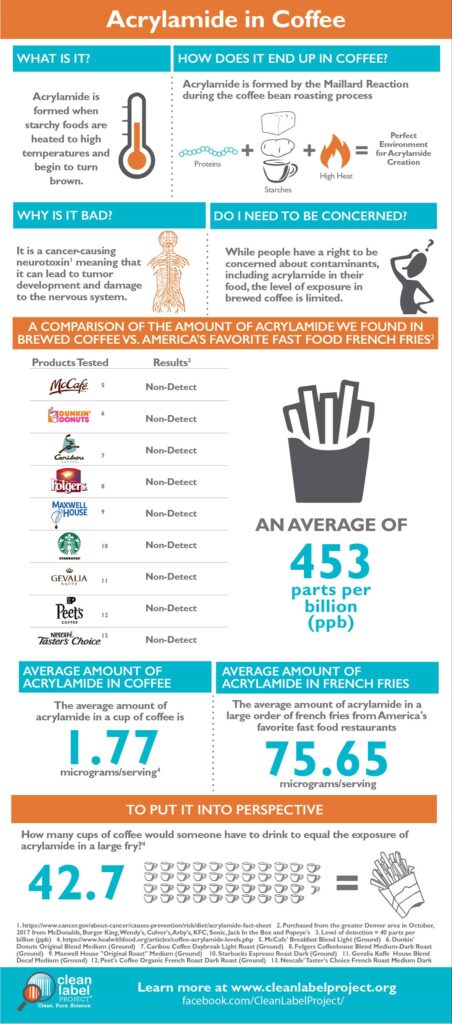
As we cook, we often get so caught up in the process that we forget about one of the key players in our meals: acrylamide. This molecule is a common byproduct of cooking, particularly when we burn or char foods like coffee, fried potatoes, and cereals. But what exactly is acrylamide, and how can it harm us?
What Is Acrylamide?
Acrylamide is a compound that forms when amino acids (the building blocks of proteins) and reducing sugars react with heat. This reaction is known as the Maillard reaction, which is also responsible for the browning and caramelization of foods. However, acrylamide has been linked to potential health risks, including cancer and genetic damage.
A Brief History of Acrylamide Research
Acrylamide was first discovered in the 1950s by a team of researchers at the National Cancer Institute (NCI). They found that acrylamide was present in cooked foods, particularly in fried potatoes. Since then, numerous studies have investigated the potential health effects of acrylamide.
How Does Acrylamide Form?
Acrylamide forms when amino acids and reducing sugars are exposed to high temperatures, typically above 338°F (170°C). This can happen when we cook foods at very high heat, such as when frying or grilling. The Maillard reaction is also responsible for the formation of acrylamide in baked goods, like bread and cookies.
The Role of Amino Acids and Reducing Sugars
Amino acids are the building blocks of proteins, while reducing sugars are found in many foods. When these compounds react with heat, they can form acrylamide. The specific amino acids and reducing sugars that contribute to acrylamide formation vary depending on the type of food.
What Are the Risks Associated with Acrylamide?
Acrylamide has been classified as a possible human carcinogen by the International Agency for Research on Cancer (IARC). Exposure to high levels of acrylamide has been linked to an increased risk of cancer, particularly in the bladder and kidney. Acrylamide can also damage DNA, leading to mutations that can contribute to cancer development.
The Connection between Acrylamide and Cancer
Acrylamide’s link to cancer is still a topic of research and debate. Some studies have suggested that acrylamide may increase the risk of bladder cancer by damaging the lining of the bladder. Other studies have found no association between acrylamide exposure and cancer.
How Much Acrylamide Is Too Much?
The European Food Safety Authority (EFSA) has established a safe daily intake limit for acrylamide. However, even at low levels of exposure, acrylamide has been shown to cause harm. To put this in perspective, the EFSA recommends limiting acrylamide intake to 0.17 milligrams per kilogram of body weight (mg/kg) per day.
Foods High in Acrylamide
Several foods are high in acrylamide, including:
- Coffee: Roasted coffee beans contain higher levels of acrylamide than unroasted beans.
- Fried potatoes and french fries: These foods tend to have higher levels of acrylamide due to the frying process.
- Baked goods: Cereals and breads may contain lower levels of acrylamide, but some baked goods, like cookies and cakes, can be high in this compound.
- Cereals: Some breakfast cereals contain high levels of acrylamide due to the cooking process.
- Processed meats: Processed meats like bacon and sausage can contain higher levels of acrylamide.
Foods Low in Acrylamide
On the other hand, some foods are naturally low in acrylamide, including:
- Steamed or boiled vegetables
- Fresh fruits
- Raw nuts and seeds
- Whole grains
Cooking Methods that Reduce Acrylamide Formation
While it’s impossible to completely eliminate acrylamide from our diets, there are steps you can take to reduce your exposure. Some cooking methods that reduce acrylamide formation include:
- Steaming or boiling
- Grilling at lower temperatures
- Baking instead of frying
- Cooking with microwave energy
Tips for Reducing Acrylamide Exposure
Here are some tips to help you reduce your acrylamide exposure:
- Choose whole grains over refined grains
- Cook at lower temperatures
- Avoid frying and grilling foods at extremely high heat
- Limit coffee consumption
- Opt for steamed or boiled vegetables instead of fried potatoes
- Use alternative cooking methods, such as baking or microwaving
Conclusion
Acrylamide is a compound that forms when amino acids and reducing sugars react with heat. While it has been linked to potential health risks, including cancer and genetic damage, there are steps you can take to reduce your exposure. By choosing whole grains over refined grains, cooking at lower temperatures, and limiting coffee consumption, you can minimize your risk of acrylamide-related health problems.
Frequently Asked Questions
- What is the safest way to cook food?
The safest way to cook food is by using low-heat methods, such as steaming or baking. - Can I reduce my acrylamide exposure by choosing organic foods?
Yes, choosing organic foods can help reduce your acrylamide exposure, but it’s not a foolproof method. - Is acrylamide found in all coffee beans?
No, acrylamide is typically found in roasted coffee beans, which have been exposed to high temperatures during the roasting process. - Can I filter out acrylamide from my water?
Acrylamide is not typically present in drinking water, but some water filtration systems may be able to remove it. - Is acrylamide a carcinogen?
While acrylamide has been classified as a possible human carcinogen by the IARC, more research is needed to confirm its carcinogenic potential. - Can I reduce my acrylamide exposure by choosing whole grains over refined grains?
Yes, choosing whole grains over refined grains can help reduce your acrylamide exposure. - How much acrylamide is safe for me to consume per day?
The European Food Safety Authority (EFSA) recommends limiting acrylamide intake to 0.17 milligrams per kilogram of body weight (mg/kg) per day. - Can I reduce my acrylamide exposure by avoiding fried foods altogether?
Yes, avoiding fried foods can help significantly reduce your acrylamide exposure.
Additional Research and Future Directions
Acrylamide research is an active area of study, with ongoing efforts to understand the potential health effects of this compound. Some areas of future research include:
- Investigating the mechanisms by which acrylamide causes harm
- Developing more effective methods for reducing acrylamide formation in foods
- Conducting further studies on the carcinogenic potential of acrylamide
Conclusion
In conclusion, understanding acrylamide is an essential step towards reducing our exposure to this compound. By choosing whole grains over refined grains, cooking at lower temperatures, and limiting coffee consumption, we can minimize our risk of acrylamide-related health problems. Further research is needed to confirm the potential health effects of acrylamide, but for now, taking steps to reduce our exposure is a good starting point.
References
- International Agency for Research on Cancer (IARC). (2012). Acrylamide.
- European Food Safety Authority (EFSA). (2015). Scientific Opinion on the assessment of acrylamide in food.
- National Institute of Environmental Health Sciences (NIEHS). (2020). Acrylamide.
- American Cancer Society (ACS). (2020). Acrylamide and cancer risk.
Note: The references provided are a selection of sources used to support the information presented in this article.


