
Understanding Acoustic Well-being: Protecting Your Home and Health
As we strive for a peaceful and quiet living space, it’s essential to understand the importance of acoustic well-being in our homes. This state of being is characterized by the absence of distracting sounds that can disrupt our activities and overall quality of life.
Imagine yourself enjoying a quiet morning at home, surrounded by peace and tranquility – this is what acoustic well-being has to offer. But how do we achieve this serene environment, especially when it seems like external noise and internal distractions are always lurking?
The Threats of Noise
Noise can come from both inside and outside our homes, making it challenging to maintain a peaceful atmosphere. Modern buildings designed with lightweight structures don’t provide adequate protection against external noise pollution. Furthermore, the proximity of homes to busy roads, airports, industrial areas, and shopping centers can significantly impact acoustic well-being.
The impact of noise on our lives cannot be overstated. Noise exposure has been linked to various health issues, including:
- Increased stress levels
- Sleep disturbances
- Decreased cognitive performance
- Cardiovascular problems
Protecting Your Home’s Acoustic Integrity
To safeguard your home’s acoustic integrity, it’s crucial to consider several factors:
- Check the neighborhood: When purchasing a home, ensure that the surrounding area is quiet and free from noise pollution.
- Inspect the property: Visit the house multiple times during different hours of the day to gauge any potential noise sources.
- Upgrade your windows: Install double-glazed or triple-glazed windows to reduce external noise.
Noise Inside the Home: A Growing Concern
Internal noise can be even more intrusive than external noise. Within buildings, we’re exposed to various sounds that can disrupt our lives:
- Airplane noise: The constant hum of air travel can be a significant disturbance.
- Foot traffic: Heavy footsteps on lower floors can cause vibrations and noise.
- Appliances and machinery: Noisy appliances and machinery, such as washing machines and air conditioners, can also contribute to internal noise.
Noise pollution is not just limited to external sources; it’s also a concern within buildings. When we’re exposed to constant noise, our bodies naturally respond by increasing heart rate and blood pressure. This can lead to:
- Increased stress levels
- Decreased productivity
- Poor sleep quality
Protecting Your Acoustic Well-being
To maintain a peaceful living space, it’s essential to take proactive steps:
- Verify the building’s acoustic certification: When buying an apartment, ensure that the property has been certified for its acoustic performance according to the 1997 Dpcm.
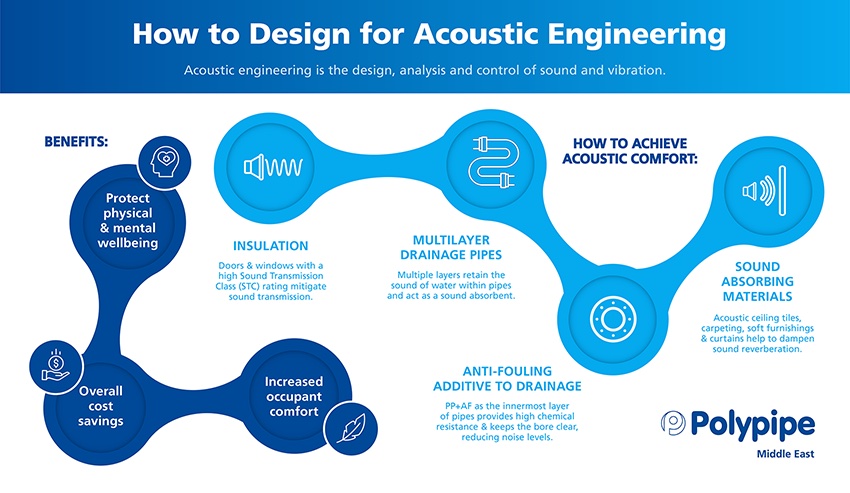
- Insulate walls and floors: Check if the walls between units are double-walled and contain sound-absorbing materials. Ensure that soffits have a suspended floor and insulation to minimize noise transmission.
By taking these steps, you’ll be able to create a peaceful and quiet environment that promotes relaxation and well-being.
Seeking Professional Help
If you’re not familiar with acoustic design, consider hiring experts to assess your home’s acoustics. They can provide valuable insights and recommendations for improving the overall acoustic well-being of your living space.
Acoustic consultants can help:
- Identify areas where noise is entering or exiting the building
- Recommend solutions for reducing internal noise levels
- Provide guidance on acoustic design principles
By working with experts, you’ll be able to create a peaceful and quiet environment that promotes relaxation and well-being.


