
What is Aconitum Napellus and What Makes it so Toxic?
Aconitum napellus, commonly known as Monk’s Hood or Aconite, is a perennial plant widely used in ornamental gardening for its striking blue or purple flowers. However, beneath its attractive exterior lies a toxic secret: the entire plant, particularly its roots, contain potent toxins that can be deadly if ingested.
The History of Aconitum Napellus as a Toxic Substance
Aconitum napellus has been used for centuries as a toxic substance in various cultures. In ancient times, it was employed to poison arrows and darts during hunting and warfare. The plant’s toxicity was also believed to offer protection against werewolves and, more practically, wolves. Ancient Romans utilized it as a means of execution due to its notorious toxicity.
Origin and Distribution
Aconitum napellus originates from Western Europe and Central Europe, where it is considered one of the most toxic plants in nature. However, poisoning from Aconitum napellus is rare outside of this region, mainly due to the mistaken identity of the plant or accidental ingestion by children.
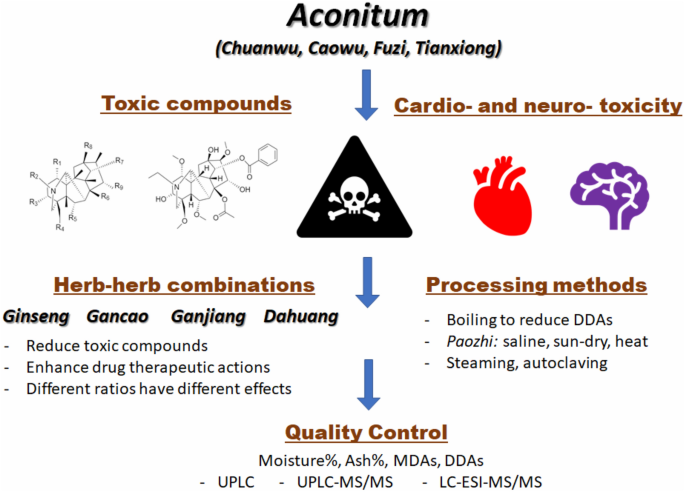
In contrast, Asia experiences a higher incidence of aconitina-related poisonings due to widespread use of herbal remedies containing Aconitum species. Hong Kong, for instance, reports a significant number of severe poisoning cases attributed to Chinese herbal preparations.
Uses and Misuses
Aconitum napellus has been proposed as a treatment for various conditions, including joint pain and arthritis. As a topical application, it is believed to slow down heart rate in patients with certain diseases. Other claims include reducing fever and alleviating cold symptoms.
However, there is no scientific evidence to support these uses, and the plant’s toxicity makes it unsuitable for any therapeutic application. In fact, the American Botanical Council has issued a warning against using Aconitum species as medications due to their high toxicity.
Symptoms of Aconitum Napellus Poisoning
After ingestion, the onset of symptoms can occur anywhere from several minutes to several hours after consumption. The severity of poisoning is linked to the rapid development of changes in heart rhythm that may be fatal. Additional symptoms include numbness and tingling, irregular heartbeat, gastrointestinal issues such as nausea and vomiting, abdominal pain, diarrhea, and respiratory distress.
In severe cases, paralysis of the lungs can lead to death. Treatment is primarily symptomatic and supportive; there is no specific antidote available.
Warning Signs
The margin for safety between therapeutic doses and toxic levels of aconitina is extremely narrow. A case in point is a 66-year-old woman who received some doses of Aconitum napellus from an herbalist to make a tea for treating osteoarthritis. Within 90 minutes, she experienced numbness in her face, arms, and legs, followed by nausea, weakness, and chest pain.
This incident highlights the importance of exercising extreme caution when handling Aconitum napellus or any of its parts, as even accidental ingestion can be fatal.
Conclusion
It is crucial to exercise extreme caution when handling Aconitum napellus or any of its parts, as even accidental ingestion can be fatal. If you suspect someone has ingested this plant, it’s essential to seek immediate medical attention.
Prevention and Safety Measures
To prevent poisoning from Aconitum napellus, follow these safety measures:
- Handle with care: Wear protective gloves when handling the plant, and avoid touching its leaves or stems.
- Keep out of reach: Ensure that children and pets are kept away from the plant to prevent accidental ingestion.
- Dispose properly: Dispose of any plant material or debris in a sealed container or bag to prevent accidental ingestion.
- Identify correctly: Be aware of the plant’s distinctive blue or purple flowers and recognize it as Monk’s Hood or Aconite to avoid mistaken identity.
FAQs
- What should I do if I think I’ve accidentally ingested Aconitum napellus?
Call the emergency services immediately and provide any information about the suspected poisoning. Bring any relevant plant material or substances you’ve consumed with you. - Can I grow Aconitum napellus in my garden without taking precautions?
Absolutely not. The entire plant is toxic, so handle it carefully and keep it out of reach of children and pets. - How can I protect myself from poisoning by Aconitum napellus?
Wear protective gloves when handling the plant, avoid ingesting any parts of it, and ensure proper disposal to prevent accidental ingestion. - Is there a specific antidote for Aconitum napellus poisoning?
No; treatment is primarily symptomatic and supportive. - Can I use Aconitum napellus in herbal remedies without risks?
Never. The plant’s toxicity makes it unsuitable for any therapeutic application. - How do I identify Aconitum napellus to avoid accidental ingestion?
Aconitum napellus has distinctive blue or purple flowers and is a perennial plant with deep roots that can be mistaken for other plants. - Can children accidentally ingest Aconitum napellus?
Yes, due to their curiosity and tendency to explore the environment without adult supervision. - What should I do if someone intentionally ingests Aconitum napellus?
Call emergency services immediately and provide information about the suspected poisoning.
Additional Precautions
When handling Aconitum napellus or any of its parts, be aware of the following additional precautions:
- Avoid touching the plant’s roots, as they contain higher concentrations of toxins.
- Wear protective clothing, including gloves and long sleeves, when working with the plant.
- Keep the plant away from food preparation areas to prevent cross-contamination.
- Be cautious when handling any plant material that has been stored for extended periods, as it may have absorbed moisture or other substances that could affect its toxicity.
By taking these precautions and being aware of the potential dangers associated with Aconitum napellus, you can help ensure a safe and enjoyable gardening experience.


