
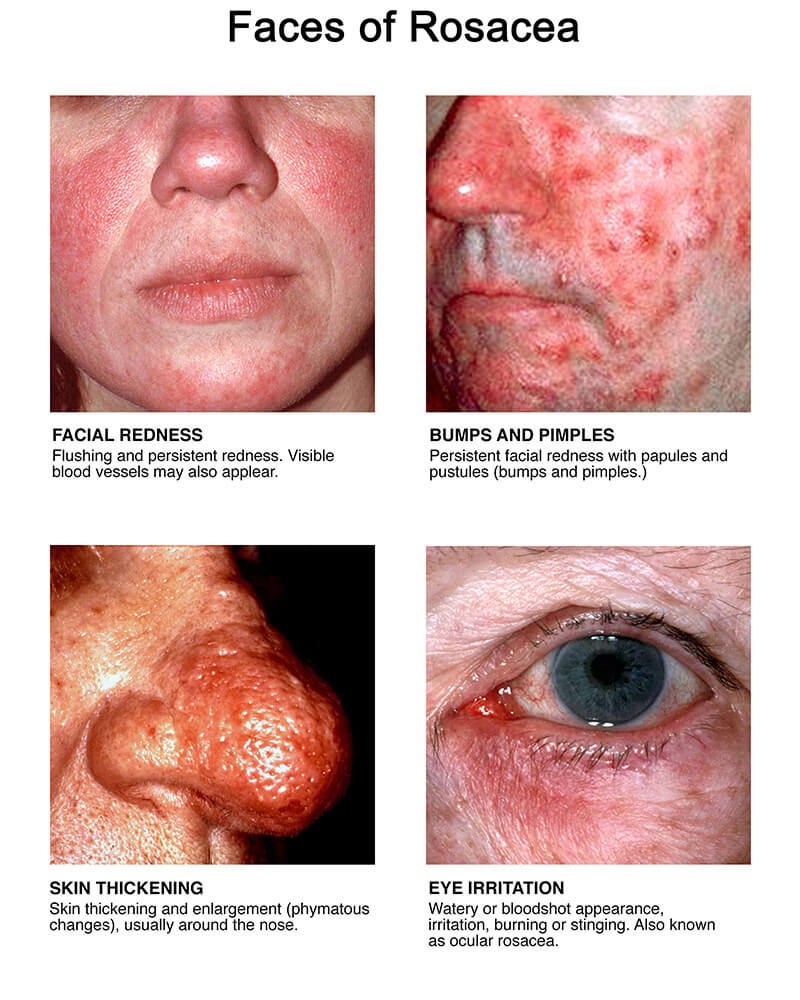
Acne rosacea is a chronic inflammatory skin condition that primarily affects adults with fair skin and blonde hair. Contrary to popular belief, it’s not exclusive to adolescents, as many people in their late teens and early twenties can develop this condition. In fact, research suggests that women are three times more likely to be affected than men.
What is Acne Rosacea?
Acne rosacea is a skin disorder characterized by localized redness, often appearing on the face, nose, cheeks, and forehead. This condition can cause significant distress, not only due to its visible symptoms but also because of its potential impact on a person’s mental health and social life.
Mild Acne Rosacea: A Gradual Progression
Mild acne rosacea typically begins with subtle redness that gradually worsens over time. In some cases, the condition can fluctuate between periods of mildness and more severe outbreaks. This cyclical pattern can be frustrating for those affected, as it’s difficult to predict when symptoms will arise.
Causes of Acne Rosacea
While the exact causes of acne rosacea are still unknown, research suggests that a combination of genetic, environmental, psychological, and immunological factors contribute to its development. Some potential triggers include:
- Exposure to extreme temperatures
- Stress
- Intense physical activity
- Frequent hot showers or baths
- Menopause
- Long-term use of corticosteroids and certain medications that dilate blood vessels
Symptoms of Acne Rosacea
In addition to redness, acne rosacea can cause a range of symptoms, including:
- Swelling and inflammation
- Small, raised bumps on the skin
- Irritation around the eyes and mouth
- Sensitivity to light and temperature
Distinguishing Acne Rosacea from Other Skin Conditions
It’s essential to consult with a dermatologist to rule out other skin conditions that may mimic acne rosacea. Some conditions that can be easily mistaken for acne rosacea include:
- Eczema
- Psoriasis
- Rosacea-like facial erythema
Treatment Options for Acne Rosacea
While there is no cure for acne rosacea, a combination of topical and oral medications can help alleviate symptoms. Treatment options may include:
- Topical creams or gels containing antibiotics, metronidazole, or azelaic acid
- Oral antibiotics to treat bacterial infections
- Retinoids to prevent clogged pores and reduce inflammation
Lifestyle Changes for Managing Acne Rosacea
In addition to medical treatment, making a few simple lifestyle changes can help alleviate symptoms:
- Protecting the skin from the sun and cold temperatures using clothing and sunscreen
- Avoiding hot showers and baths
- Limiting stress through relaxation techniques like meditation or deep breathing exercises
Acne Rosacea and Diet
While there is no specific diet for acne rosacea, avoiding certain foods and substances can help reduce symptoms. These include:
- Alcoholic beverages
- Spicy or pungent foods
- Caffeine
- Foods high in sugar and salt
Natural Remedies for Acne Rosacea
In addition to medical treatment, natural remedies can provide relief from acne rosacea symptoms. Some options include:
- Oatmeal baths to soothe and calm the skin
- Tea tree oil to reduce inflammation and kill bacteria
- Aloe vera gel to moisturize and protect the skin
Alternative Therapies for Acne Rosacea
Some alternative therapies may be beneficial for managing acne rosacea symptoms. These include:
- Acupuncture to reduce stress and promote healing
- Herbal remedies, such as turmeric or chamomile tea, to soothe and calm the skin
- Aromatherapy using essential oils like lavender or peppermint to reduce inflammation
Conclusion
Acne rosacea is a chronic inflammatory skin condition that requires careful management. By understanding its causes, symptoms, and treatment options, individuals can take control of their condition and improve their quality of life.
Frequently Asked Questions (FAQs)
- What are the most common triggers for acne rosacea?
- Exposure to extreme temperatures
- Stress
- Intense physical activity
- Frequent hot showers or baths
- Can anyone get acne rosacea, or is it exclusive to certain skin types?
- Anyone can develop acne rosacea, regardless of their skin type.
- What are the most effective treatments for acne rosacea?
- A combination of topical and oral medications
- How can I prevent acne rosacea from flaring up?
- Protecting the skin from the sun and cold temperatures
- Avoiding hot showers and baths
- Limiting stress through relaxation techniques like meditation or deep breathing exercises
- Can diet affect acne rosacea symptoms?
- Yes, avoiding certain foods and substances can help reduce symptoms.
- Are there any natural remedies that can provide relief from acne rosacea symptoms?
- Oatmeal baths to soothe and calm the skin
- Tea tree oil to reduce inflammation and kill bacteria
- Aloe vera gel to moisturize and protect the skin


