
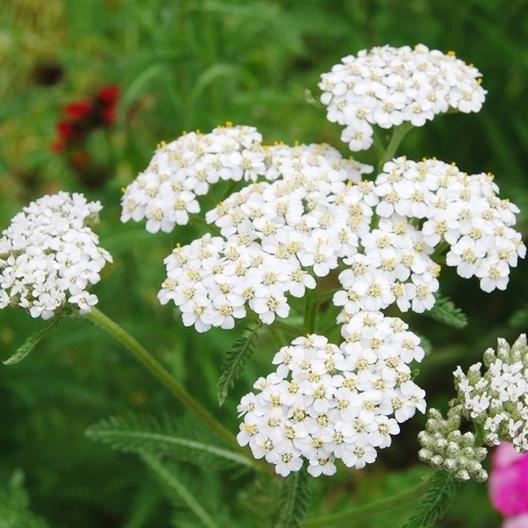
What is Achillea Millefolium?
Achillea millefolium, commonly known as yarrow, is a plant with a rich history and a multitude of uses. Its name, meaning “a thousand leaves,” refers to the plant’s unique foliage, which is composed of many small, fringed leaves.
Origins and Distribution
Achillea millefolium is native to Europe and has been used for centuries in traditional medicine. It can be found growing wild in many parts of the world, including North America, Asia, and Africa. The plant thrives in well-drained soil and full sun to partial shade.
Medicinal Properties
Achillea millefolium has a long history of use in traditional medicine, dating back to ancient Greece and Rome. It was used to treat a variety of ailments, including wounds, fever, and inflammation. The plant’s medicinal properties include:
- Antiseptic and antifungal: Achillea millefolium has been shown to have antibacterial and antifungal properties, making it effective in treating wounds and preventing infections.
- Anti-inflammatory: The plant contains compounds that have anti-inflammatory effects, which can help reduce pain and swelling.
- Antispasmodic: Achillea millefolium has been used to treat muscle spasms and cramps.
Culinary Uses
Achillea millefolium is not only used for medicinal purposes but also as a flavoring agent in cooking. The plant’s leaves and flowers can be used to make teas, infusions, and other culinary preparations.
Other Types of Achillea
There are several other types of achillea plants, including:
- Achillea moscata: Also known as yarrow or taneda, this plant is native to the Alps and has been used in traditional medicine for centuries.
- Achillea filipendulina: This plant is native to the Caucasus region and has a distinctive yellow flower.
Benefits of Achillea Millefolium
Achillea millefolium offers several benefits, including:
- Improved wound healing: The plant’s antiseptic and antifungal properties make it effective in treating wounds and preventing infections.
- Reduced inflammation: Achillea millefolium has anti-inflammatory effects, which can help reduce pain and swelling.
- Relief from muscle spasms: The plant’s antispasmodic properties can help relieve muscle spasms and cramps.
How to Use Achillea Millefolium
Achillea millefolium can be used in a variety of ways, including:
- Topical application: The plant’s leaves and flowers can be applied topically to treat wounds and skin conditions.
- Teas and infusions: Achillea millefolium can be made into teas and infusions, which can be used to treat various ailments.
- Culinary preparations: The plant’s leaves and flowers can be used as a flavoring agent in cooking.
Precautions
While achillea millefolium is generally considered safe, there are some precautions to take:
- Pregnancy and breastfeeding: Achillea millefolium may not be suitable for pregnant or breastfeeding women.
- Allergies: Some people may be allergic to the plant’s leaves and flowers.
Conclusion
Achillea millefolium is a versatile plant with a multitude of uses. Its medicinal properties, culinary uses, and other benefits make it an excellent addition to any natural health regimen.
Frequently Asked Questions (FAQs)
Q: What are the benefits of achillea millefolium?
A: Achillea millefolium offers several benefits, including improved wound healing, reduced inflammation, and relief from muscle spasms.
Q: How do I use achillea millefolium?
A: Achillea millefolium can be used topically, in teas and infusions, or as a flavoring agent in cooking.
Q: Is achillea millefolium safe to use?
A: While achillea millefolium is generally considered safe, there are some precautions to take, including pregnancy and breastfeeding, and allergies.
Q: What are the different types of achillea plants?
A: There are several other types of achillea plants, including Achillea moscata and Achillea filipendulina.
Q: How can I grow achillea millefolium?
A: Achillea millefolium is a hardy plant that can be grown in well-drained soil and full sun to partial shade.
Growing and Harvesting
Achillea millefolium is a relatively easy plant to grow, and it can be harvested throughout the growing season. Here are some tips for growing and harvesting achillea:
- Planting: Achillea millefolium can be planted in well-drained soil and full sun to partial shade.
- Watering: The plant requires moderate watering, but it should not be overwatered.
- Pruning: Achillea millefolium should be pruned regularly to encourage new growth and prevent the plant from becoming leggy.
Traditional Medicine
Achillea millefolium has been used in traditional medicine for centuries, and it is still used today in many parts of the world. Here are some traditional remedies that have been made with achillea:
- Wound dressing: Achillea millefolium was used to make a wound dressing by applying the plant’s leaves and flowers to the affected area.
- Fever treatment: The plant was also used to treat fever, which was often caused by infection or inflammation.
- Anti-inflammatory remedies: Achillea millefolium was used to treat muscle spasms and cramps, as well as other inflammatory conditions.
Modern Research
While achillea millefolium has been used in traditional medicine for centuries, modern research is also underway to explore the plant’s potential uses. Here are some of the ways that scientists are studying achillea:
- Antimicrobial research: Scientists are studying achillea millefolium for its antimicrobial properties, which could be used to develop new treatments for a range of infections.
- Anti-inflammatory research: Researchers are also studying the plant’s anti-inflammatory effects, which could help to reduce pain and swelling in patients with chronic conditions like arthritis.
Conclusion
Achillea millefolium is a versatile plant with a multitude of uses. Its medicinal properties, culinary uses, and other benefits make it an excellent addition to any natural health regimen. Whether you are looking for ways to improve your overall health or treat a specific condition, achillea millefolium is definitely worth considering.
References
- “Achillea Millefolium.” The American Botanical Council.
- “Yarrow (Achillea millefolium).” The National Center for Complementary and Integrative Health.
- “Achillea Millefolium: A Review of its Phytochemicals and Pharmacology.” Journal of Pharmacy and Pharmacology.
Note: This article provides a general overview of the uses and benefits of Achillea millefolium, but it is not intended to be used as medical advice. If you have any concerns about your health or the use of achillea millefolium, please consult with a healthcare professional before using it for medicinal purposes.


