
Introduction
Acerola, a small fruit from the Americas, is a concentrated source of vitamin C. Its appearance resembles that of cherries, making it known as cherry of Barbados or cherry of Brazil. But what sets acerola apart is its remarkable concentration of vitamin C, far exceeding that of oranges and kiwis.
Understanding Acerola’s Properties
Acerola contains oligoelements, calcium, iron, magnesium, phosphorus, vitamins A, B6, provitamin A, and bioflavonoids. These compounds work synergistically to provide numerous health benefits.
Vitamin C: The Antioxidant Powerhouse
With an elevated content of vitamin C, acerola is indicated for the prevention and treatment of winter-related illnesses, such as common colds, flu-like symptoms, and ear, nose, throat (ORT) infections. Vitamin C’s antioxidant properties help combat free radicals, which can cause oxidative stress.
Bioflavonoids: The Synergistic Effect
The bioflavonoids present in acerola have an additive effect with vitamin C, enhancing its overall health benefits. These compounds are essential for maintaining healthy blood vessels, bones, and connective tissue.
Origins of Acerola and Availability
Acerola is a tropical fruit native to Central and South America. It grows wild and is mainly cultivated in Brazil. In its native region, acerola is consumed fresh or as jam. In Europe, it’s difficult to find this fruit, but various products containing acerola can be found in pharmacies and health food stores.
Using Acerola Without Fresh Fruits
Since fresh acerola fruits are not easily accessible, you can opt for:
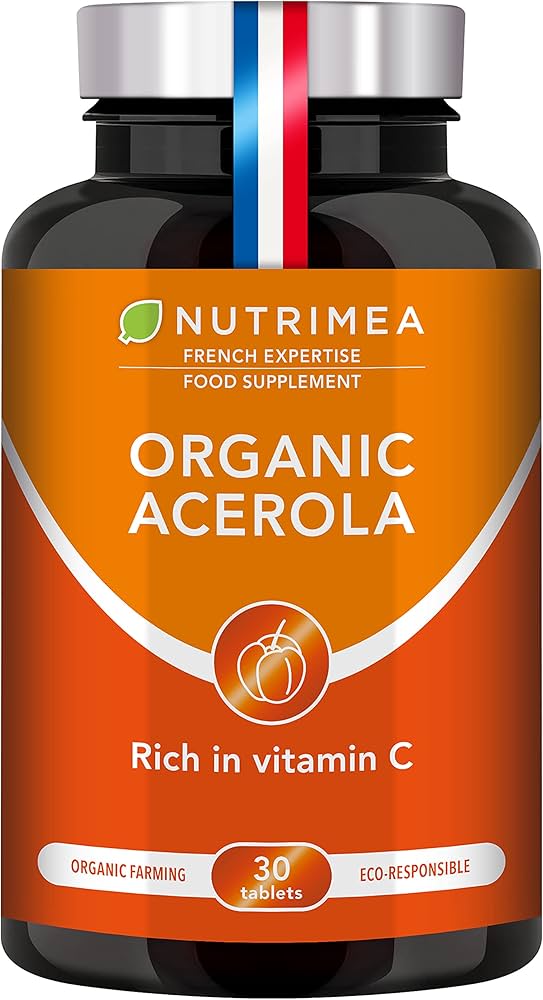
- Capsules or Compresses: Available at health food stores or online retailers like Amazon. A popular option is the “Acerola Cherry Supplement” with over 280 positive reviews.
- Powder: Can be used as a dietary supplement or added to smoothies and other recipes.
- Succo: Can be consumed on its own or mixed with water.
Nutritional Properties of Acerola
Acerola is rich in:
- Vitamin C (ascorbic acid)
- Bioflavonoids
- Vitamins B1, B2, B3, B5, and B6
- Provitamin A
- Various minerals like iron, calcium, phosphorus, potassium, and magnesium
Precautions and Contraindications
While acerola is generally safe to consume, there are some precautions:
- Acid Reflux and Gastric Problems: Acerola may exacerbate acid reflux and gastric issues. Consult a healthcare professional before consumption.
- Kidney Stones: Excessive vitamin C intake may contribute to the formation of kidney stones. Be cautious when consuming acerola if you have kidney problems.
History of Acerola Use
Acerola has been used for centuries in traditional medicine to treat various ailments, including:
- Respiratory issues
- Digestive problems
- Skin conditions
- Menstrual disorders
In the 19th century, acerola was introduced to Europe as a treatment for syphilis. However, its effectiveness was not consistently proven.
Modern Research and Applications
Recent studies have explored acerola’s potential benefits in:
- Cancer prevention: Acerola contains compounds that may inhibit cancer cell growth.
- Cardiovascular health: The bioflavonoids in acerola may help reduce blood pressure and improve cardiovascular function.
- Anti-aging: Acerola’s antioxidant properties could contribute to anti-aging effects.
While these findings are promising, more research is needed to confirm acerola’s efficacy for these purposes.
Folk Remedies and Traditional Uses
Acerola has been used in various folk remedies:
- Cherry syrup: A traditional Brazilian remedy for digestive issues.
- Juice for colds: In some Latin American countries, acerola juice is consumed to alleviate cold symptoms.
- Skin care: Acerola extract is sometimes applied topically for its antioxidant and anti-inflammatory properties.
Conclusion
Acerola, the natural source of vitamin C, offers an array of health benefits through its unique properties. With proper knowledge and precautions, incorporating acerola into your diet can be a great way to support overall well-being.
Frequently Asked Questions (FAQs)
Q: What is the recommended dosage of acerola?
A: The recommended daily intake varies depending on individual needs and health status. Consult a healthcare professional for personalized advice.
Q: Can I consume acerola if I have acid reflux or stomach problems?
A: No, it’s best to consult a healthcare professional before consuming acerola if you have acid reflux or stomach issues.
Q: Is acerola safe for pregnant women?
A: Consult with a healthcare professional before consumption, as excessive vitamin C intake may not be suitable for pregnant women.
Q: Can I use acerola to treat diabetes?
A: While some studies suggest potential benefits, more research is needed to confirm acerola’s effectiveness in managing diabetes. Consult a healthcare professional before using acerola for this purpose.
Q: How can I incorporate acerola into my diet?
A: You can consume acerola as capsules or compresses, powder, or juice. Start with a small dose and monitor your body’s response before increasing consumption.
Q: Can I take acerola along with other supplements?
A: It’s best to consult with a healthcare professional before combining acerola with other supplements, as potential interactions may occur.
Q: How long does it take for acerola to produce noticeable effects?
A: The time frame for noticeable effects varies depending on individual factors and the method of consumption. Consult a healthcare professional for personalized advice.


