
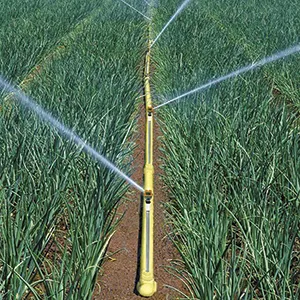
As the summer months approach, many of us are concerned about the potential lack of water in our gardens and lawns. One solution to this problem is by installing a smart irrigation system that can provide the necessary water during periods of high drought. In this article, we’ll explore the different types of outdoor irrigation systems available and what features to look for when selecting the right one for your needs.
Understanding Smart Irrigation Systems
Before we dive into the specifics of each type of irrigation system, it’s essential to understand the basic concept behind smart irrigation. A smart irrigation system allows you to control the water supply remotely, ensuring that your plants receive the exact amount of water they need, when they need it most.
Smart irrigation systems typically use advanced technologies such as:
- Soil moisture sensors: These sensors measure the soil moisture levels and adjust the watering schedule accordingly.
- Weather stations: These stations provide real-time weather data, allowing you to adjust the watering schedule based on the current weather conditions.
- Moisture meters: These meters measure the moisture levels in the soil and adjust the watering schedule accordingly.
Types of Outdoor Irrigation Systems
There are several types of outdoor irrigation systems available in the market, each with its unique features and benefits. Here are some of the most popular options:
Pistols and Lances
Pistols and lances are one of the most common types of outdoor irrigation systems. They offer a high level of flexibility and can be adjusted to suit different watering needs.
- Key Features:
- Adjustable nozzle patterns
- Multiple spray settings
- Long-range water distribution
- Advantages:
- Easy installation
- Low maintenance requirements
- High water pressure
Static Sprinklers
Static sprinklers are ideal for smaller areas, such as gardens or lawns. They offer a uniform distribution of water and can be an effective solution for small-scale irrigation needs.
- Key Features:
- Uniform watering pattern
- Easy installation
- Low maintenance requirements
- Advantages:
- Energy-efficient
- Cost-effective
- Environmentally friendly
Rotating Sprinklers
Rotating sprinklers are perfect for larger areas, such as fields or parks. They provide a wide coverage area and can be an effective solution for larger-scale irrigation needs.
- Key Features:
- Wide coverage area
- Adjustable spray patterns
- High water efficiency
- Advantages:
- Energy-efficient
- Cost-effective
- Environmentally friendly
Oscillating Sprinklers
Oscillating sprinklers are designed to simulate natural rainfall patterns. They offer a unique distribution of water and can be an effective solution for areas with complex terrain.
- Key Features:
- Natural rainfall pattern simulation
- Adjustable spray settings
- High water efficiency
- Advantages:
- Energy-efficient
- Cost-effective
- Environmentally friendly
Battening or Intermittent Irrigation Systems
Battening or intermittent irrigation systems are ideal for large-scale irrigation needs. They offer a high level of flexibility and can be an effective solution for areas with complex terrain.
- Key Features:
- Adjustable spray patterns
- High water efficiency
- Long-range water distribution
- Advantages:
- Energy-efficient
- Cost-effective
- Environmentally friendly
Choosing the Right Irrigation System
When selecting an outdoor irrigation system, it’s essential to consider several factors, including:
- Your specific watering needs: Consider the type of plants you have, their watering requirements, and the soil conditions.
- The size of your area: Choose a system that can cover the entire area without wasting water or leaving any spots dry.
- The terrain and climate of your location: Consider the topography of your land, wind patterns, and weather conditions to choose the right system.
- Your budget and maintenance requirements: Consider the cost of installation, maintenance, and repair when selecting a system.
Smart Irrigation System Components
A smart irrigation system typically consists of several components, including:
- Controller: This is the brain of the system that controls the water supply based on the watering schedule.
- Sensors: These sensors monitor soil moisture levels, weather conditions, and other factors to adjust the watering schedule accordingly.
- Valves: These valves control the flow of water into the irrigation system.
- Nozzles or Sprinklers: These nozzles or sprinklers distribute the water over the area.
Benefits of Smart Irrigation Systems
Smart irrigation systems offer several benefits, including:
- Water efficiency: Smart irrigation systems can reduce water waste by up to 30%.
- Energy efficiency: Smart irrigation systems can reduce energy consumption by up to 50%.
- Cost savings: Smart irrigation systems can save homeowners money on their water bills.
- Environmental benefits: Smart irrigation systems can help protect the environment by reducing water pollution and conserving natural resources.
Installation and Maintenance
Installing a smart irrigation system requires some expertise, but it’s worth the effort. Here are some tips for installation:
- Consult a professional: If you’re not familiar with irrigation systems, consult a professional to ensure that the system is installed correctly.
- Choose the right components: Select components that are compatible with each other and suitable for your specific needs.
- Test the system: Test the system after installation to ensure that it’s working correctly.
Maintaining a smart irrigation system requires some upkeep, but it’s relatively easy. Here are some tips:
- Check for leaks: Regularly check for leaks in the system and repair them promptly.
- Clean the system: Clean the system regularly to prevent clogging and ensure optimal performance.
- Update software: Update the software on your controller regularly to ensure that you’re using the latest features and fixes.
Conclusion
Smart irrigation systems are a great solution for homeowners who want to conserve water, reduce energy consumption, and protect the environment. By understanding the different types of outdoor irrigation systems available and choosing the right one for your needs, you can enjoy the benefits of smart irrigation while also saving money and reducing your environmental impact.


