
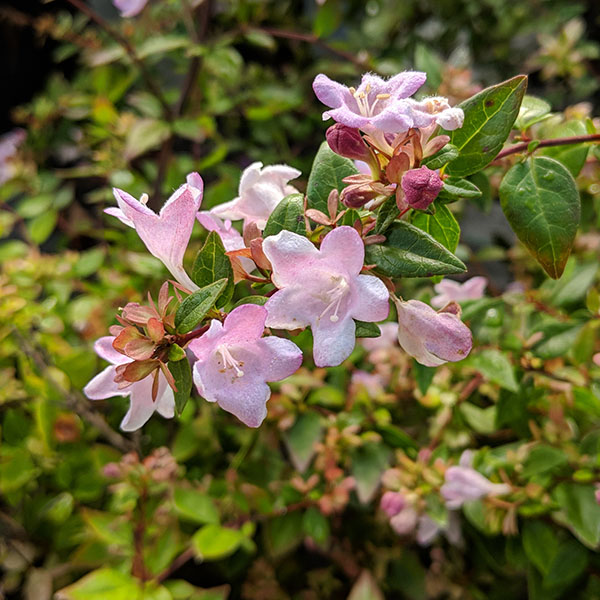
If you’re looking for a low-maintenance, yet stunning addition to your garden, look no further than the Abelia. This evergreen shrub is a versatile and adaptable plant that thrives in various conditions, making it perfect for both beginners and experienced gardeners.
What is Abelia?
Abelia is a genus of plants that includes over 15 different species, including shrubs, trees, and vines. Native to China, Japan, and Mexico, this plant has become popular worldwide for its unique beauty and durability. With over 150 varieties available, you’re sure to find the perfect one to suit your taste and garden needs.
Characteristics of Abelia
Abelia is known for its striking foliage, with many species featuring colorful, variegated leaves that add a pop of color to any garden. The plant’s growth habit can vary from compact and bushy to tall and slender, making it suitable for a range of garden styles and spaces.
Some key characteristics of Abelia include:
- Evergreen foliage
- Vibrant colors on the leaves, including green, bronze, gold, and more
- Compact to tall growth habit
- Adaptable to various soil types and conditions
- Requires minimal maintenance
Types of Abelia
There are many different varieties of Abelia available, each with its unique characteristics and features. Here are a few popular species:
- Abelia Grandiflora: A compact, evergreen shrub with large, bronzy leaves and white flowers in the summer.
- Abelia Kaleidoscope: A stunning variety featuring colorful, variegated leaves that add a touch of magic to any garden.
- Abelia Variegata: A beautiful, compact shrub with striking, marbled leaves that add visual interest to any space.
How to Care for Abelia
Caring for Abelia is relatively easy, making it an ideal choice for beginners and experienced gardeners alike. Here are some tips on how to keep your Abelia happy and thriving:
- Lighting: Provide full sun to partial shade, depending on the variety.
- Watering: Water regularly during the first year after planting, then reduce watering to once a week during dry periods.
- Fertilizing: Fertilize in early spring with a balanced fertilizer.
- Pruning: Prune in late winter or early spring to maintain shape and promote healthy growth.
Propagation and Multiplication
Abelia can be propagated through various methods, including:
- Talee: Cut 10-15 cm long stem sections from the plant, remove lower leaves, and plant in a well-draining potting mix.
- Division: Divide mature plants into smaller sections, making sure each section has at least two nodes and some foliage.
Facts about Abelia
Here are some interesting facts about this versatile garden plant:
- The scientific name for Abelia is “Abelia chinensis”, named after the British doctor Clarke Abel who discovered it in the early 19th century.
- Abelia is a low-maintenance plant that can tolerate neglect and withstand extreme temperatures.
- This plant has been used for centuries in traditional medicine to treat various ailments.
History of Abelia
Abelia has a long and fascinating history, dating back thousands of years. Here are some interesting facts about the origins of this versatile garden plant:
- Abelia was first cultivated in China over 2,000 years ago.
- The plant was later introduced to Japan by Buddhist monks who used it for medicinal purposes.
- In the early 19th century, British doctor Clarke Abel discovered Abelia and named it after himself.
- Today, Abelia is grown in many parts of the world, including Europe, North America, and Australia.
Abelia in Modern Gardening
Abelia has become a popular choice among modern gardeners due to its versatility and low-maintenance requirements. Here are some ways that Abelia can be used in contemporary gardening:
- Border Planting: Abelia makes an excellent border plant, adding color and texture to any garden.
- Hedges and Screens: The compact growth habit of Abelia makes it ideal for creating hedges and screens.
- Container Gardening: Abelia can thrive in containers, making it a great choice for small gardens or balconies.
Abelia in Different Climates
While Abelia is adaptable to various climate conditions, it’s essential to consider the specific needs of this plant when planting it in different regions. Here are some tips on how to care for Abelia in different climates:
- Warm Climates: In warm climates, provide extra shade and water regularly during hot summer months.
- Cool Climates: In cool climates, prune back the plant after winter to promote new growth.
- Hot Climates: In hot climates, protect the plant from extreme heat with shade cloth or other forms of protection.
Common Problems with Abelia
While Abelia is generally a low-maintenance plant, it can still be susceptible to certain problems. Here are some common issues that gardeners may encounter when growing Abelia:
- Pests: Check for pests such as aphids, whiteflies, and spider mites, which can damage the leaves and flowers of Abelia.
- Diseases: Fungal diseases such as root rot and leaf spot can affect Abelia, especially in humid climates.
- Nutrient Deficiencies: Abelia may require additional fertilization if the soil is depleted of essential nutrients.
Conclusion
Abelia is a versatile, adaptable, and beautiful garden plant that can add a touch of elegance and sophistication to any space. With its evergreen foliage, vibrant colors, and low-maintenance requirements, it’s perfect for both beginners and experienced gardeners. Whether you’re looking for a compact shrub or a stunning specimen tree, Abelia is sure to impress.
Frequently Asked Questions
Here are some common questions about Abelia:
Q: What type of soil does Abelia prefer?
A: Abelia prefers well-draining soil with a slightly acidic pH (5.5-6.5).
Q: How much sunlight does Abelia need?
A: Abelia requires full sun to partial shade, depending on the variety.
Q: Can I prune my Abelia in winter?
A: Yes, but be careful not to prune too much, as this can stress the plant.
Q: Is Abelia invasive in some areas?
A: While Abelia is generally non-invasive, it may become invasive in certain regions if not properly maintained.
Q: How often should I water my Abelia?
A: Water regularly during the first year after planting, then reduce watering to once a week during dry periods.
Q: Can I grow Abelia indoors?
A: Yes, but provide plenty of natural light and maintain optimal temperatures (above 50°F).
Q: Is Abelia toxic to pets or children?
A: While not typically toxic, Abelia can cause gastrointestinal upset if ingested in large quantities.


