
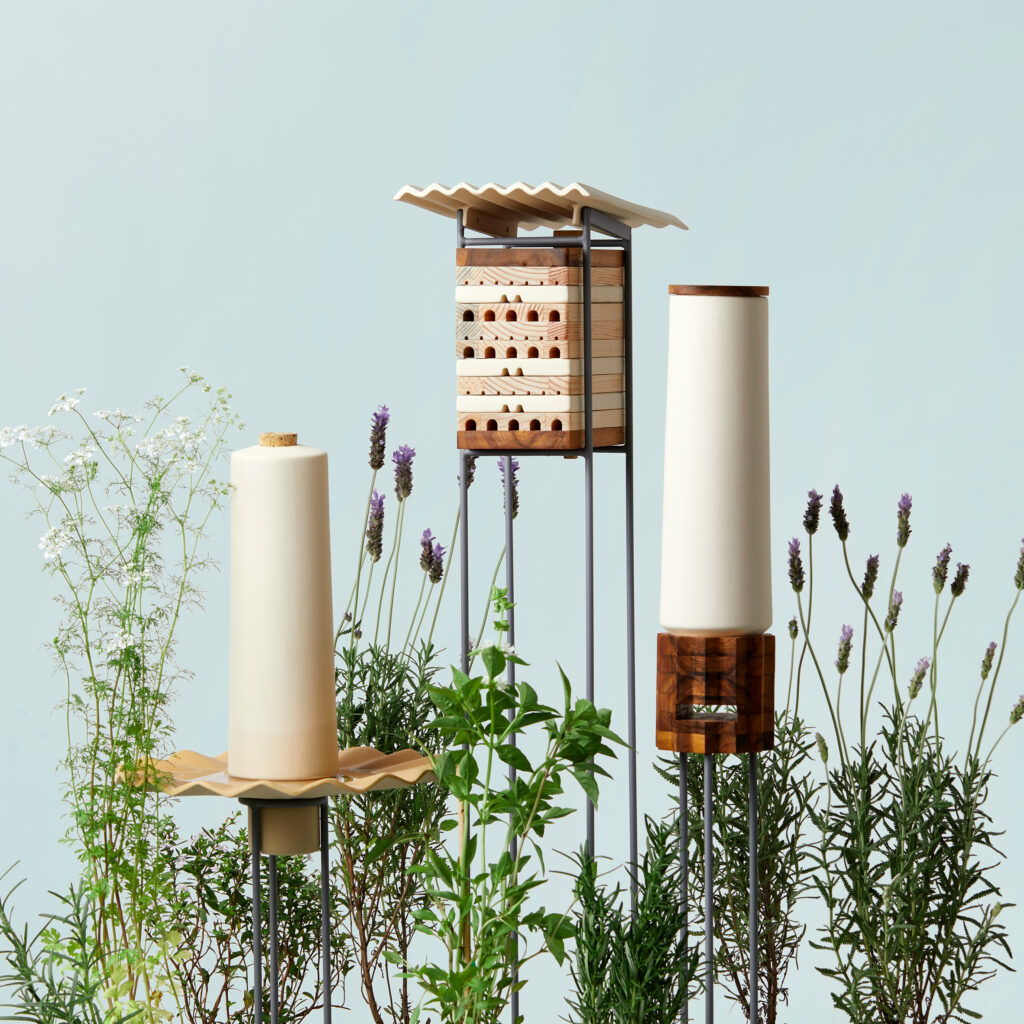
As an avid gardener, have you ever considered the importance of protecting our solitary bees? These fascinating insects are responsible for pollinating many plants, including fruits, vegetables, and flowers. In this article, we’ll explore the benefits of building a bee hotel for solitary bees and provide a step-by-step guide on how to create one.
What are Solitary Bees?
Solitary bees are a type of insect that belongs to the Apoidea family, which also includes honeybees (Apis mellifera). Unlike social bees, solitary bees live alone and don’t form colonies. They’re incredibly important pollinators, but they often go unnoticed.
Why Build a Bee Hotel?
Building a bee hotel is an excellent way to provide a safe haven for solitary bees. These hotels can be made from various materials, such as wood, bamboo, or straws, and are designed to mimic the natural nesting sites of these insects. By creating a bee hotel, you’re providing a cozy space for solitary bees to lay their eggs and raise their young.
The Benefits of Solitary Bees
Solitary bees play a crucial role in pollination, especially when it comes to smaller plants and gardens. According to a study published in the journal Science, solitary bees are more effective at pollination than social bees, particularly on a smaller scale. This is because solitary bees are able to focus their energy on individual plants rather than maintaining a large colony.
The Importance of Pollinators
Pollinators like solitary bees and other insects are essential for maintaining healthy ecosystems. Without them, many plants would be unable to reproduce, leading to widespread crop failures and ecosystem disruption. By building a bee hotel and providing a safe haven for solitary bees, you’re contributing to the conservation of these vital pollinators.
Choosing the Right Location
When deciding where to place your bee hotel, consider the following factors:
- Sunlight: Bees love warmth, so choose a location that receives partial shade or direct sunlight.
- Wind protection: A breezy spot can be too harsh for bees, while a sheltered area will provide them with some respite.
- Proximity to food sources: Place your bee hotel near flowers or plants that solitary bees need to feed on.
Materials Needed
To build a simple bee hotel, you’ll need the following materials:
- A wooden log or dowel (20 cm long)
- Two wooden boards (22 cm x 12 cm and 22 cm x 13 cm)
- Bamboo sticks or straws
- Spago or wire
- Nails or screws
- Waterproof glue
Step-by-Step Instructions
Here’s a step-by-step guide to building your own bee hotel:
- Prepare the materials: Cut the wooden log to half its original length and flatten one side of each board.
- Create tunnel holes: Drill holes in the wooden boards at different diameters (4 mm to 12 mm) for the bees to nest.
- Assemble the structure: Use spago or wire to attach the boards together, creating a honeycomb-like pattern.
- Add nesting sites: Fill the tunnels with bamboo sticks or straws, securing them with waterproof glue.
- Finish and decorate: Add a roof made from another wooden board, securing it with nails or screws.
Online Options
If you’re short on time or prefer to buy pre-made bee hotels, there are many online retailers that offer high-quality options. These hotels come in various designs and materials, ensuring you find the perfect fit for your garden.
Types of Bee Hotels
When shopping for a bee hotel, consider the following types:
- Bee hotel base: A basic structure with individual nesting sites.
- Alveary-style hotel: A more elaborate design with multiple levels and chambers.
- 5-star hotel: A premium option with advanced features and materials.
Conclusion
Creating a bee hotel for solitary bees is an easy and rewarding project that can provide a safe haven for these incredible pollinators. By following our step-by-step guide and choosing the right location, you’ll be well on your way to creating a thriving ecosystem in your garden. Happy building!
Frequently Asked Questions
- Q: Can I use any material to build a bee hotel?
A: Yes, but choose materials that mimic natural nesting sites, such as wood, bamboo, or straws. - Q: Where should I place my bee hotel?
A: Choose a location with partial shade, wind protection, and proximity to food sources. - Q: Will bees nest in a bee hotel if it’s not sunny?
A: Yes, but bees may prefer warmer temperatures; consider placing the hotel near a sunny spot. - Q: Can I use pre-made bee hotels from online retailers?
A: Absolutely! Pre-made hotels can be just as effective, and many come with advanced features and materials. - Q: Will my bee hotel attract other insects besides bees?
A: Yes, but bees are the primary target; other insects may visit, but they won’t nest in the same way. - Q: Can I make a bee hotel using recycled materials?
A: Absolutely! Get creative and use recycled materials to build your own unique bee hotel. - Q: Will my bee hotel attract bees if it’s not made of wood?
A: Yes, but wooden bee hotels are preferred; other materials may not provide the same level of comfort for solitary bees. - Q: Can I build a bee hotel in an urban area?
A: Yes, but consider using smaller-scale designs or incorporating plants that attract pollinators.
By following these guidelines and building your own bee hotel, you’ll be contributing to the conservation of our precious pollinators and creating a thriving ecosystem in your garden.


