
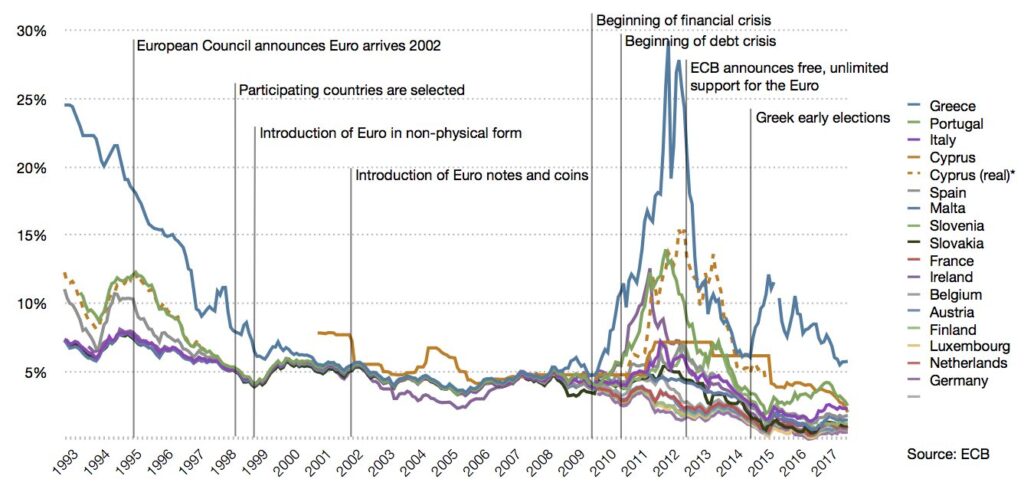
The Eurozone’s debt crisis has been a pressing concern for its 17 member states, with countries like Greece, Ireland, and Portugal at risk of default. The German-led European Central Bank (ECB) has adopted an austerity approach, which some argue is exacerbating the problem. As a result, the region’s weaker economies are calling for more effective emergency measures to address the crisis.
In recent years, France has elected a new president, François Hollande, who has expressed support for a pro-growth strategy. One innovative idea gaining traction is using renewable energy as a form of currency to stimulate economic growth and reduce debt. This concept involves investing in green technologies and infrastructure, which could unlock new opportunities for countries struggling with debt.
The Power of Green Energy
Renewable energy sources like solar, geothermal, biogas, wind power, and biomass have the potential to transform the Eurozone’s economy. Investing in these sectors can create jobs, reduce dependence on fossil fuels, and mitigate climate change. For instance, studies suggest that a 2.5% annual inflation rate could lead to a 30% reduction in debt.
Let’s explore this idea further, examining how green energy can help countries like Ireland, Portugal, and Greece escape the crisis.
Ireland: A Green Economy Model
Assuming an annual production of 70 Gigawatt-hours per square kilometer, Ireland could generate enough renewable energy to cover its entire territory. If it were to invest in green technologies and infrastructure, it might be able to reduce its debt by leveraging the value of this clean energy.
For example, if Ireland’s national debt stood at €40 billion, it could grant 550 square kilometers (1% of its total area) to private companies for renewable energy projects. This concession would allow developers to build wind farms, solar panels, and other green infrastructure, creating new jobs and stimulating the economy.
Portugal: A New Path Forward
Portugal’s €78 billion debt is also a significant concern. If it were to follow Ireland’s lead and invest in renewable energy, it might be able to reduce its national territory by 1% (1,000 square kilometers) while generating new revenue streams.
Similarly, Greece’s €210 billion debt could be reduced by granting 2,800 square kilometers (2% of its total area) for green energy projects. This would not only help the country’s economy but also contribute to a cleaner environment and reduced carbon emissions.
The Benefits of Green Energy
Investing in renewable energy and green infrastructure offers numerous benefits for countries struggling with debt:
- Reduces dependence on fossil fuels, mitigating climate change
- Creates jobs and stimulates local economies
- Generates new revenue streams through the sale of clean energy
- Contributes to a more sustainable future
The Impact of Green Energy on Climate Change
Climate change is one of the most pressing issues facing the Eurozone today. The region’s reliance on fossil fuels has contributed significantly to greenhouse gas emissions, exacerbating the problem. By investing in renewable energy and green infrastructure, countries can reduce their carbon footprint and help mitigate climate change.
The Role of Renewable Energy in Economic Growth
Renewable energy is not only a key component of a sustainable future but also a significant driver of economic growth. The Eurozone’s weaker economies are calling for more effective emergency measures to address the crisis. Investing in renewable energy and green infrastructure can create new jobs, stimulate local economies, and generate new revenue streams.
Challenges Facing the Eurozone’s Debt Crisis
The Eurozone’s debt crisis is characterized by high levels of unemployment, inequality, and economic stagnation. Policymakers must adopt innovative solutions like renewable energy investment to address these challenges. The ECB’s austerity approach has been criticized for exacerbating the problem, while a pro-growth strategy focusing on renewable energy could help stimulate economic growth and reduce debt.
The Future of Renewable Energy in the Eurozone
The future of renewable energy in the Eurozone is promising. As technology improves and costs decrease, countries are becoming increasingly interested in investing in green technologies and infrastructure. This trend is expected to continue, with many governments committing to ambitious targets for renewable energy production.
Conclusion: A Green Economy Blueprint for the Eurozone
The idea of using renewable energy as a form of currency is gaining traction in the Eurozone. By investing in green technologies and infrastructure, countries like Ireland, Portugal, and Greece can unlock new opportunities for economic growth and reduce debt. This blueprint offers a promising solution to the region’s pressing challenges.
Frequently Asked Questions
- What role does renewable energy play in reducing debt in the Eurozone?
Renewable energy can help reduce debt by generating new revenue streams through the sale of clean energy, creating jobs, and stimulating local economies. - How does investing in green technologies impact climate change?
Investing in green technologies helps mitigate climate change by reducing dependence on fossil fuels and promoting sustainable practices. - Can the Eurozone’s current economic policies effectively address the debt crisis?
The ECB’s austerity approach has been criticized for exacerbating the problem, while a pro-growth strategy focusing on renewable energy could help stimulate economic growth and reduce debt. - How can countries like Ireland and Portugal benefit from investing in green energy?
Countries like Ireland and Portugal can benefit from investing in green energy by generating new revenue streams, creating jobs, and contributing to a more sustainable future. - What are the key challenges facing the Eurozone’s debt crisis?
The Eurozone’s debt crisis is characterized by high levels of unemployment, inequality, and economic stagnation, making it essential for policymakers to adopt innovative solutions like renewable energy investment. - How does the use of renewable energy as a form of currency impact the economy?
Using renewable energy as a form of currency can help stimulate economic growth by generating new revenue streams, creating jobs, and promoting sustainable practices. - Can the Eurozone’s current economic policies effectively address climate change?
The ECB’s austerity approach has been criticized for exacerbating the problem, while a pro-growth strategy focusing on renewable energy could help mitigate climate change. - How can countries like Greece benefit from investing in green energy?
Countries like Greece can benefit from investing in green energy by generating new revenue streams, creating jobs, and contributing to a more sustainable future.
By adopting innovative solutions like renewable energy investment, the Eurozone can unlock new opportunities for economic growth and reduce debt. This blueprint offers a promising solution to the region’s pressing challenges and provides a compelling case for policymakers to adopt a pro-growth strategy focused on green technologies and infrastructure.


