
In the face of the COVID-19 pandemic, it’s undeniable that the global health crisis has dominated headlines. However, beneath the surface, another emergency is unfolding – the climate crisis. As the world grapples with the consequences of rising temperatures, melting ice caps, and devastating natural disasters, it’s essential to understand the root causes and potential solutions.
In this article, we’ll explore five compelling books on climate change that offer a deeper understanding of the issue and inspire meaningful action. From personal stories of resilience to scientific analyses of the impact on our planet, these books will challenge your perspective and motivate you to make a difference.
1. “Our House Is On Fire: The Truth About Climate Change” by Greta Thunberg, Svante Thunberg, Beata Ernman, Malena Ernman
Greta Thunberg’s book is an unflinching account of her journey as a climate activist and the struggles she faced in advocating for change. With the support of her family, Greta has become a global icon, inspiring millions to take action against climate change.
This book offers a powerful narrative that highlights the urgency of the crisis and the need for collective action. Through personal anecdotes, interviews with experts, and historical context, “Our House Is On Fire” is an indispensable resource for anyone seeking to understand the climate crisis and its far-reaching consequences.
One of the most striking aspects of this book is Greta’s personal story – her diagnosis of Asperger’s syndrome, her struggles in school, and her eventual awakening to the climate crisis. Her narrative serves as a powerful reminder that even the most unlikely individuals can make a significant impact when driven by passion and conviction.
2. “Sali in montagna: Come sfuggire al riscaldamento globale” by Luca Mercalli
In this thought-provoking book, meteorologist Luca Mercalli explores the idea of escaping the devastating effects of global warming by moving to higher elevations. While not a conventional solution, his argument raises essential questions about our relationship with the natural world and the need for sustainable living.
Through Mercalli’s personal story, we see how climate change is not just an environmental issue but also a social and economic one. As he shares his own experiences of adapting to life in the mountains, he challenges us to rethink our assumptions about what it means to live sustainably and in harmony with nature.
Mercalli’s book also delves into the fascinating science behind high-altitude living – how the thin air affects the human body, the unique ecosystems that thrive at higher elevations, and the potential for these regions to become new habitats for climate migrants. This aspect of the book highlights the intricate relationships between climate change, geography, and human societies.
3. “We Can Save the World (Before It’s Too Late)” by Jonathan Safran Foer
This book is a searing critique of humanity’s relationship with the environment, arguing that we’ve lost sight of the importance of living in balance with nature. With his characteristic wit and storytelling ability, Foer takes us on a journey through the history of climate change and its impact on human societies.
Through personal stories, scientific research, and historical context, Foer shows how our addiction to fossil fuels has led to catastrophic consequences – from melting glaciers to droughts and famines. His book is a call to action, urging us to rethink our values and adopt a more sustainable lifestyle.
One of the most compelling aspects of this book is its exploration of the psychological and emotional dimensions of climate change. Foer argues that we need to reexamine our relationship with nature – not just as a resource to be exploited but as a living being that deserves respect, care, and protection.
4. “Addio ai ghiacci” by Peter Wadhams
Peter Wadhams, a renowned expert on the Arctic, has written a gripping account of the devastating impact of climate change on the region’s ice caps. With data-driven analysis and personal anecdotes, Wadhams paints a stark picture of what’s at stake: not just polar bears but human societies as well.
As the world grapples with the existential threat of rising sea levels, melting glaciers, and altered ecosystems, “Addio ai ghiacci” is an urgent reminder that climate change is no longer a distant threat. With clarity and precision, Wadhams exposes the consequences of inaction and challenges us to join the fight against this global emergency.
Wadhams’ book also delves into the fascinating science behind Arctic sea ice – how it affects global weather patterns, marine ecosystems, and human societies. His research highlights the urgent need for reduced greenhouse gas emissions and accelerated transition to renewable energy sources.
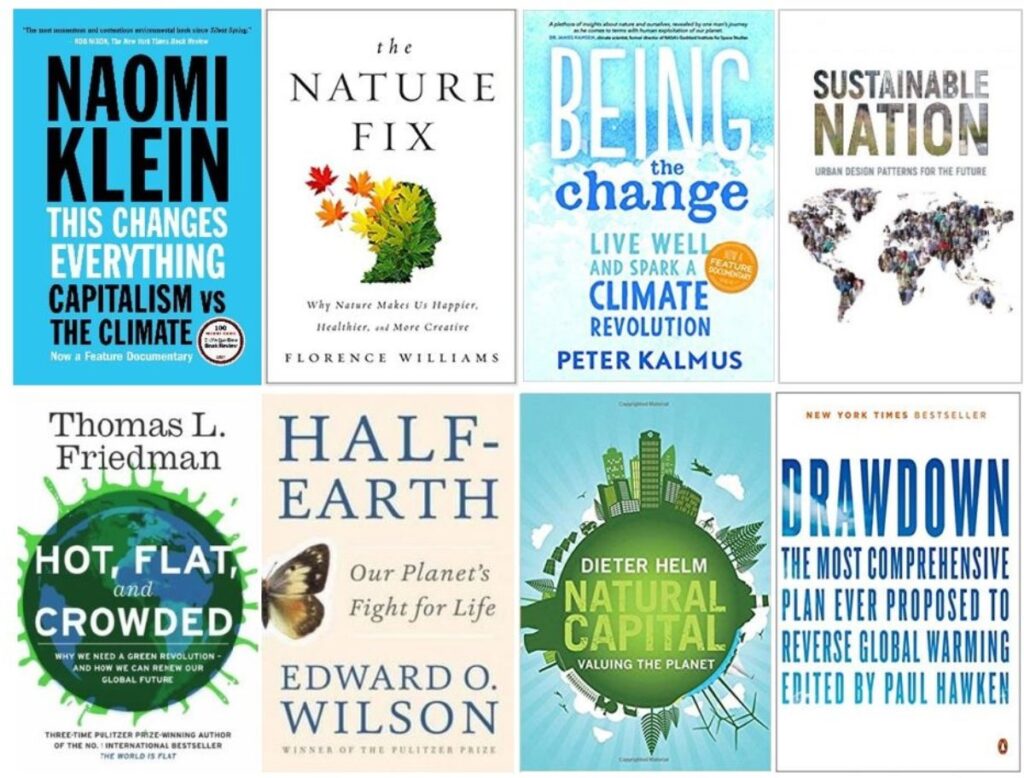
5. “This Changes Everything: Capitalism vs. the Climate” by Naomi Klein
In this seminal work, Naomi Klein examines the intricate relationship between capitalism and climate change. By exploring the ways in which corporations prioritize profits over people and the planet, she reveals a system that perpetuates inequality and environmental degradation.
Through meticulous research and compelling storytelling, Klein argues that we need to challenge our assumptions about what it means to live sustainably and adopt a more radical approach to economic reform. This book is a clarion call for a Green New Deal – not just as a policy but as a cultural shift.
Klein’s analysis of the intersection between capitalism and climate change is both incisive and accessible, making this book an essential read for anyone seeking to understand the complex dynamics at play. By highlighting the ways in which corporate interests drive environmental destruction, Klein challenges us to rethink our relationship with the natural world and our role within it.
Conclusion
Climate change is no longer an optional issue; it’s a pressing concern that demands immediate attention. The five books reviewed in this article offer powerful insights into the root causes and potential solutions to this global crisis.
As we navigate the complexities of climate change, these books provide essential guidance for individuals, policymakers, and industries seeking to create a more sustainable future. By engaging with these stories and ideas, we can inspire meaningful action and work together towards a world that’s both resilient and thriving – in harmony with our planet.
Frequently Asked Questions (FAQs)
- What are the most pressing issues related to climate change?
Climate change is a multifaceted crisis that affects not only the environment but also human societies, economies, and cultures. Key concerns include rising temperatures, sea-level rise, melting glaciers, droughts, and famines.
- What can individuals do to make a difference?
From reducing carbon emissions to advocating for climate policies, there are many ways individuals can contribute to mitigating the crisis. Educate yourself on the issue, reduce your consumption, use public transport or bike, support renewable energy projects, and participate in local activism efforts.
- What role does capitalism play in exacerbating climate change?
Capitalism’s relentless pursuit of growth has led to a culture of overconsumption, resource depletion, and pollution. To address this issue, Klein argues for a radical transformation of our economic system – one that prioritizes sustainability, social equity, and environmental stewardship.
- How can we balance individual freedoms with collective action?
The question of balancing personal liberties with collective responsibility is central to addressing climate change. By recognizing the intrinsic value of ecosystems and the rights of future generations, we can create a moral framework for cooperation and mutual support.
- What are some potential solutions to mitigate the effects of climate change?
From transitioning to renewable energy sources to reforestation efforts, reducing consumption, and implementing sustainable agriculture practices, there are many innovative solutions being explored worldwide.
Additional Recommendations
For readers seeking additional resources on climate change, we recommend:
- “Drawdown: The Most Comprehensive Plan Ever Proposed to Reverse Global Warming” by Paul Hawken
- “The Uninhabitable Earth: Life After Warming” by David Wallace-Wells
- “Climate Justice: Hope, Resilience, and the Fight for a Sustainable Future” edited by Mary Robinson


