
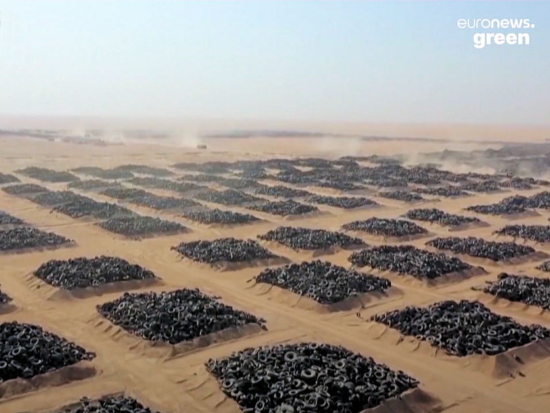
As we strive for a more sustainable future, the European Union has set ambitious goals to reduce waste and increase recycling. But which countries are leading the way? In this article, we’ll explore the EU’s strategy to minimize waste, promote recycling, and create new industries.
The Problem of Waste in Europe
Italy, often considered the world leader in aluminum recycling, is struggling with waste management. According to the European Union, over 75% of Italy’s waste ends up in landfills. But what about other countries? Let’s take a look at some EU member states that are doing it right.
Countries Leading the Way
These countries have implemented policies and programs to reduce waste and increase recycling:
- Belgium: With a focus on waste reduction, Belgium has implemented a comprehensive waste management plan.
- Denmark: Denmark aims to be carbon neutral by 2050 and has set ambitious targets for waste reduction and recycling.
- Germany: Germany’s “Circular Economy” strategy emphasizes the importance of reducing waste and promoting sustainable consumption.
- Austria: Austria has implemented a robust waste management system, with a focus on recycling and reducing landfill use.
- Sweden: Sweden is a leader in waste-to-energy conversion and has set ambitious targets for reducing greenhouse gas emissions.
The EU’s Strategy: “Pay As You Throw”
The European Union has introduced the “pay as you throw” principle to encourage countries to adopt sustainable waste management practices. The strategy involves imposing taxes and fees on waste disposal, as well as implementing programs of responsibility and encouraging recycling.
The Goal: A Sustainable Future
The EU’s goal is to maximize recycling and minimize non-recyclable waste. By 2014, some countries may make recycling mandatory by law. To achieve this, the EU has introduced policies and programs aimed at reducing waste and promoting sustainable consumption.
Economic Benefits of Recycling
Recycling can be a lucrative business, with many industries and post-industrial sectors relying on recycled materials. In Italy alone, the potential for biomass energy production could generate €16 billion per year. By investing in recycling infrastructure and creating new industries, countries can create jobs and stimulate economic growth.
The Potential of Biomass Energy
Biomass energy is a rapidly growing sector, with many countries looking to transition away from fossil fuels. In Italy, the potential for biomass energy production could be substantial, generating €16 billion per year.
Challenges and Opportunities
While there are many benefits to sustainable waste management practices, there are also challenges to overcome:
- Infrastructure: Investing in recycling infrastructure can be expensive, but it’s essential for creating a circular economy.
- Public Awareness: Raising public awareness about the importance of waste reduction and recycling is crucial for achieving EU goals.
- Regulatory Frameworks: Governments must create supportive regulatory frameworks to encourage sustainable waste management practices.
Conclusion
As we strive for a more sustainable future, it’s clear that waste management and recycling are crucial steps towards achieving our goals. By working together and adopting sustainable practices, we can create a cleaner, greener environment for future generations.
Frequently Asked Questions (FAQs)
- What is the EU’s strategy for reducing waste and increasing recycling?
- The EU has introduced the “pay as you throw” principle to encourage countries to adopt sustainable waste management practices.
- Which countries are leading the way in waste reduction and recycling?
- Countries like Belgium, Denmark, Germany, Austria, and Sweden are setting ambitious targets for reducing waste and increasing recycling.
- What is the potential economic impact of recycling?
- Recycling can generate significant revenue, with many industries and post-industrial sectors relying on recycled materials.
- How much could biomass energy production generate in Italy?
- The potential for biomass energy production in Italy could be substantial, generating €16 billion per year.
- What is the EU’s goal for reducing waste and increasing recycling by 2014?
- Some countries may make recycling mandatory by law by 2014.
- How can individuals contribute to reducing waste and increasing recycling?
- Individuals can make a difference by adopting sustainable practices, such as reducing consumption, reusing materials, and recycling.
- What is the role of government in promoting sustainable waste management practices?
- Governments play a crucial role in promoting sustainable waste management practices through policies, programs, and education campaigns.
- How can countries create jobs and stimulate economic growth through sustainable waste management practices?
- Countries can create jobs and stimulate economic growth by investing in recycling infrastructure, creating new industries, and promoting sustainable consumption.
By working together and adopting sustainable practices, we can create a cleaner, greener environment for future generations.


