
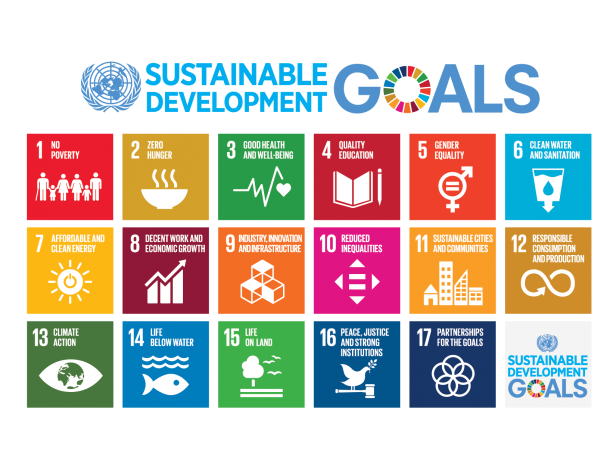
As the world grapples with the challenges of climate change, poverty, and inequality, it’s clear that a new approach is needed to ensure a sustainable future. That’s where the 2030 Agenda comes in – a comprehensive plan of action developed by the governments of 193 United Nations member states to promote sustainable development.
What is the 2030 Agenda?
The 2030 Agenda for Sustainable Development is a bold vision that aims to achieve ten interconnected goals, known as the Sustainable Development Goals (SDGs). These goals are designed to be implemented simultaneously, addressing not only environmental degradation but also social and economic inequality. No one is left behind – whether you’re a citizen, an industry leader, or part of the cultural sector.
The Roadmap: Understanding the 17 SDGs
So, what exactly do these 17 objectives entail? Let’s take a closer look at each goal, examining its significance for sustainable development and how they interrelate.
Goal 1: No Poverty
- Eradicating extreme poverty by reducing the number of people living on less than $1.25 per day
- Promoting sustainable agriculture and food systems to ensure everyone has access to nutritious food
Achieving this goal will require a significant increase in investments in social protection programs, such as cash transfers and job creation initiatives. Governments must also work with international organizations and civil society to develop strategies for reducing poverty.
Goal 2: Zero Hunger
- Ensuring world hunger is a thing of the past, with a focus on sustainable agricultural practices
- Promoting policies that protect ecosystems and natural resources
To achieve this goal, governments will need to implement policies that support small-scale farmers and agroecological practices. This can include initiatives like price subsidies for staple crops, irrigation schemes, and extension services.
Goal 3: Good Health and Well-being
- Focusing on universal access to healthcare, aiming to eliminate diseases like Aids, malaria, and tuberculosis
- Encouraging healthy lifestyles and promoting mental health awareness
Ensuring good health and well-being will require significant investments in healthcare infrastructure, including hospitals, clinics, and community-based health programs. Governments can also promote healthy lifestyles by implementing policies that support physical activity, healthy eating, and mental health services.
Goal 4: Quality Education
- Ensuring every child has access to quality education, regardless of their background or location
- Promoting inclusive and equitable education systems
Quality education is essential for sustainable development. Governments can achieve this goal by increasing investments in education infrastructure, such as schools and teacher training programs. They can also promote inclusive education policies that support children with disabilities.
Goal 5: Gender Equality
- Achieving gender parity by eliminating harmful practices like female genital mutilation
- Encouraging women’s participation in decision-making processes
Achieving gender equality will require significant efforts to eliminate discriminatory laws and practices. Governments can also promote women’s participation in decision-making by implementing policies that support equal pay, parental leave, and equal access to education.
Goal 6: Clean Water and Sanitation
- Ensuring universal access to clean water, sanitation, and hygiene facilities
- Reducing water pollution and promoting sustainable use of water resources
Access to clean water and sanitation is essential for human health. Governments can achieve this goal by investing in infrastructure like wells, pumps, and sewage systems. They can also promote sustainable water management practices.
Goal 7: Affordable and Clean Energy
- Promoting the use of renewable energy sources like solar and wind power
- Encouraging energy efficiency and reducing greenhouse gas emissions
Achieving this goal will require significant investments in renewable energy infrastructure, such as solar panels and wind turbines. Governments can also promote energy efficiency by implementing policies that support insulation, efficient appliances, and smart grids.
Goal 8: Decent Work and Economic Growth
- Fostering inclusive economic growth by creating jobs and promoting fair labor standards
- Reducing inequality and ensuring everyone has access to quality education and training
Decent work is essential for sustainable development. Governments can achieve this goal by investing in job creation initiatives, such as vocational training programs and small-scale enterprise development. They can also promote fair labor standards by implementing policies that support minimum wage laws.
Goal 9: Industry, Innovation, and Infrastructure
- Promoting sustainable industrial development by encouraging the use of clean energy and reducing waste
- Investing in infrastructure that supports economic growth and reduces poverty
Sustainable industrial development is essential for achieving this goal. Governments can promote this by investing in green infrastructure, such as wind turbines and solar panels. They can also support small-scale enterprises through policies like tax incentives.
Goal 10: Reduced Inequalities
- Addressing social and economic inequalities through policies like progressive taxation and social welfare programs
- Encouraging inclusive decision-making processes
Reduced inequalities will require significant efforts to address social and economic disparities. Governments can achieve this goal by implementing progressive taxation policies that support low-income households.
Goal 11: Sustainable Cities and Communities
- Promoting sustainable urban development by investing in green infrastructure and renewable energy sources
- Ensuring cities are livable, safe, and inclusive for all residents
Sustainable urban development is essential for achieving this goal. Governments can promote this by investing in green infrastructure, such as parks and bike lanes.
Goal 12: Responsible Consumption and Production
- Encouraging consumers to make sustainable choices by promoting sustainable products and practices
- Reducing waste and promoting recycling and composting
Responsible consumption is essential for achieving this goal. Governments can promote this by implementing policies that support sustainable agriculture, reducing packaging waste.
Goal 13: Climate Action
- Taking urgent action to reduce greenhouse gas emissions and mitigate the impacts of climate change
- Promoting clean energy, energy efficiency, and reducing reliance on fossil fuels
Climate action is critical for achieving this goal. Governments can promote this by investing in renewable energy infrastructure, such as wind turbines and solar panels.
Goal 14: Life Below Water
- Protecting the world’s oceans and marine ecosystems by reducing pollution and promoting sustainable fishing practices
- Encouraging eco-tourism and sustainable use of ocean resources
Protecting the world’s oceans is essential for achieving this goal. Governments can promote this by implementing policies that support marine protected areas.
Goal 15: Life on Land
- Promoting sustainable land use practices like reforestation, soil conservation, and reducing deforestation
- Ensuring the preservation of biodiversity and natural habitats
Sustainable land use is essential for achieving this goal. Governments can promote this by investing in forest restoration projects.
Goal 16: Peace, Justice, and Strong Institutions
- Fostering inclusive and equitable societies by promoting social justice and human rights
- Strengthening institutions that support sustainable development
Peace, justice, and strong institutions are essential for achieving this goal. Governments can promote these values by implementing policies that support social justice.
Goal 17: Partnerships for the Goals
- Encouraging collaboration among governments, businesses, civil society organizations, and individuals to achieve the SDGs
- Recognizing the importance of partnerships in driving progress towards a more sustainable future
Partnerships are essential for achieving this goal. Governments can promote these by investing in collaborative programs that support sustainable development.
In conclusion, the 2030 Agenda is a comprehensive plan of action that aims to achieve ten interconnected goals. Each goal is designed to be implemented simultaneously, addressing not only environmental degradation but also social and economic inequality. By working together, governments, businesses, civil society organizations, and individuals can achieve these goals and create a more sustainable future for all.
As the world grapples with the challenges of climate change, poverty, and inequality, it’s clear that a new approach is needed to ensure a sustainable future. The 2030 Agenda provides a roadmap for achieving this goal by addressing not only environmental degradation but also social and economic inequality. No one is left behind – whether you’re a citizen, an industry leader, or part of the cultural sector.
By working together, we can achieve these goals and create a more sustainable future for all.


