
Introduction
The summer of 2019 will be etched in the memory of the global population as a record-breaking season. The relentless heat wave has left no region untouched, with temperatures soaring to unprecedented heights. As we reflect on this extraordinary event, it is essential to examine the data and explore the implications for our planet.
A Global Phenomenon
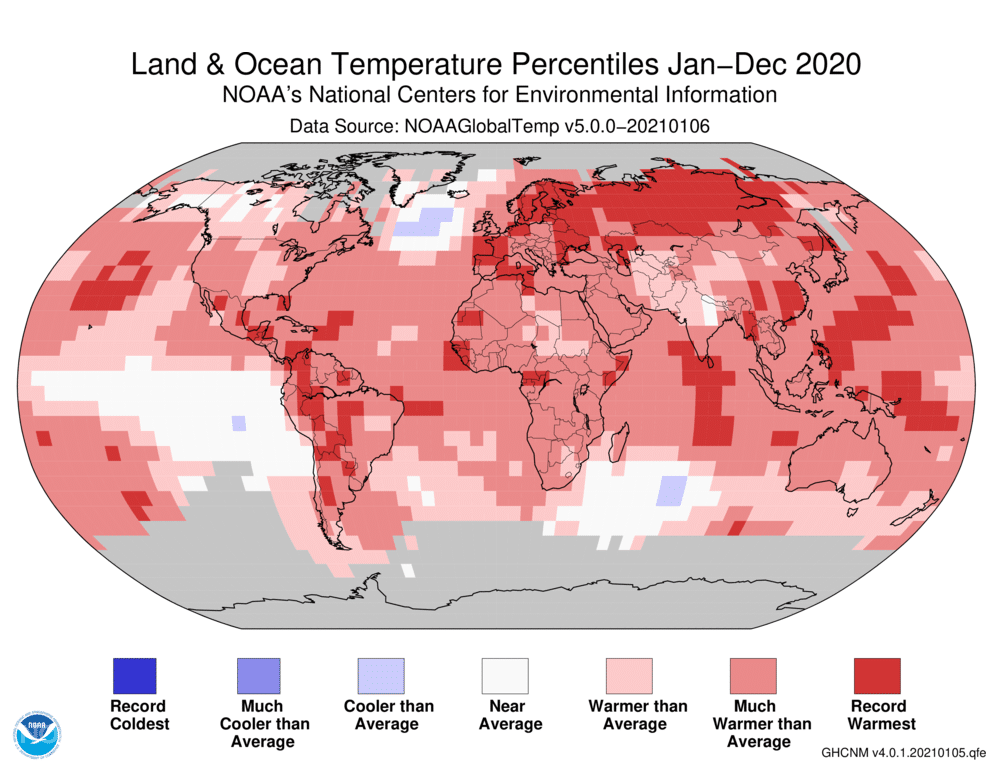
According to the National Oceanic and Atmospheric Administration (NOAA), an astonishing 90% of the world’s population has experienced the hottest summer ever recorded. This staggering figure underscores the reality that our planet is facing a heat wave unlike any other in recent history.
The data from NOAA reveals that the summer of 2019 was marked by extreme heat waves across the globe. The National Weather Service (NWS) reported that temperatures exceeded 35°C (95°F) on at least 30 days during the summer, with some areas experiencing temperatures above 40°C (104°F) for several consecutive days.
Rising Temperatures: A Decade of Devastation
The past decade has witnessed nine out of ten record-breaking temperatures globally. From 2009 to 2018, the world has seen no less than nine of the most extreme temperature events on record. This trend is a clear indication that our planet is facing an unprecedented heat wave.
The data from NASA’s Goddard Institute for Space Studies (GISS) reveals that the past decade has been the warmest on record, with 2019 being one of the hottest years globally. The GISS analysis shows that 2019 was marked by extreme heat waves in many parts of the world, including North America, Europe, Asia, and Australia.
A European Summer Like No Other
In Europe, the summer of 2019 was marked by extreme heat waves across the continent. France and Germany experienced their third-hottest summers in recorded history, while Austria suffered its second consecutive year of record-breaking temperatures.
The heat wave had a significant impact on agriculture in Europe, with crop yields expected to be reduced due to the prolonged heat stress. The European Commission’s Joint Research Centre reported that the summer of 2019 was one of the driest on record, exacerbating the effects of the heat wave and leading to water shortages in many regions.
Record-Breaking Temperatures Around the World
The effects of the heat wave were felt far beyond European borders. Alaska, a region not typically known for extreme temperatures, saw an unprecedented number of days above 32°C (90°F). In Anchorage, the temperature soared to +32.2°C on July 4, shattering previous records.
Other regions that experienced record-breaking temperatures include India, Australia, and South Africa. The heat wave was particularly severe in India, where temperatures exceeded 45°C (113°F) for several consecutive days, leading to widespread power outages and water shortages.
Fueling the Fire: Devastating Wildfires
The heat wave was exacerbated by devastating wildfires that ravaged millions of acres across the globe. The summer of 2019 will be remembered as one of the most destructive fire seasons in history, with fires burning in regions previously thought to be immune to such disasters.
In the United States, California experienced a record-breaking wildfire season, with over 10 million acres burned. The wildfires were fueled by strong winds and drought conditions, leading to catastrophic losses of life and property.
Milan’s Record-Breaking Summer
In Italy, the city of Milan experienced its hottest summer in a decade. With temperatures averaging 26.5°C (79.7°F) from June 1 to August 31, the summer was marked by unrelenting heat waves. June was particularly sweltering, with an average temperature of 26.2°C.
The heat wave had significant impacts on Milan’s residents, with many reporting health problems due to the extreme temperatures. The city’s authorities reported that the heat wave led to a significant increase in hospitalizations and emergency services calls.
A Season of Record-Breaking Temperatures
The summer of 2019 will be remembered as one of the most extreme in recent history. With temperatures soaring to unprecedented heights and devastating wildfires burning across the globe, it is clear that our planet is facing a heat wave unlike any other.
The data from NOAA reveals that the summer of 2019 was marked by extreme heat waves on every continent except Antarctica. The heat wave had significant impacts on agriculture, water resources, and human health, highlighting the need for immediate action to mitigate its effects.
Conclusion
As we reflect on the record-breaking summer of 2019, it is essential to acknowledge the severity of the situation. The relentless heat wave has left no region untouched, with temperatures soaring to unprecedented heights. As we move forward, it is crucial that we take immediate action to mitigate the effects of climate change and ensure a sustainable future for our planet.
Frequently Asked Questions
- What was the hottest summer on record in 2019?
The summer of 2019 will be etched in the memory of the global population as a record-breaking season, with temperatures soaring to unprecedented heights. - How did the heat wave affect Alaska?
Alaska experienced an unprecedented number of days above 32°C (90°F), with temperatures reaching +32.2°C on July 4. - What was the temperature in Milan during the summer of 2019?
The city of Milan averaged 26.5°C (79.7°F) from June 1 to August 31, marking its hottest summer in a decade. - How did wildfires contribute to the heat wave?
Devastating wildfires burned across millions of acres globally, exacerbating the heat wave and fueling further destruction. -
What does the record-breaking summer of 2019 indicate about climate change?
The relentless heat wave and devastating wildfires underscore the severity of climate change, highlighting the need for immediate action to mitigate its effects. -
How has the summer of 2019 impacted global temperatures?
The summer of 2019 saw nine out of ten record-breaking temperatures globally, underscoring the reality that our planet is facing an unprecedented heat wave. -
What are some potential consequences of climate change?
Climate change poses significant threats to global food security, economic stability, and human health, among other concerns. -
How can individuals contribute to mitigating climate change?
Individuals can contribute to mitigating climate change by reducing their carbon footprint, using renewable energy sources, and advocating for sustainable policies. -
What role do governments play in addressing climate change?
Governments have a critical role to play in addressing climate change, through the implementation of policies that promote renewable energy, reduce emissions, and support adaptation efforts. -
How can we ensure a sustainable future for our planet?
Ensuring a sustainable future requires immediate action to mitigate climate change, as well as long-term investments in renewable energy, sustainable infrastructure, and education and awareness campaigns.


