
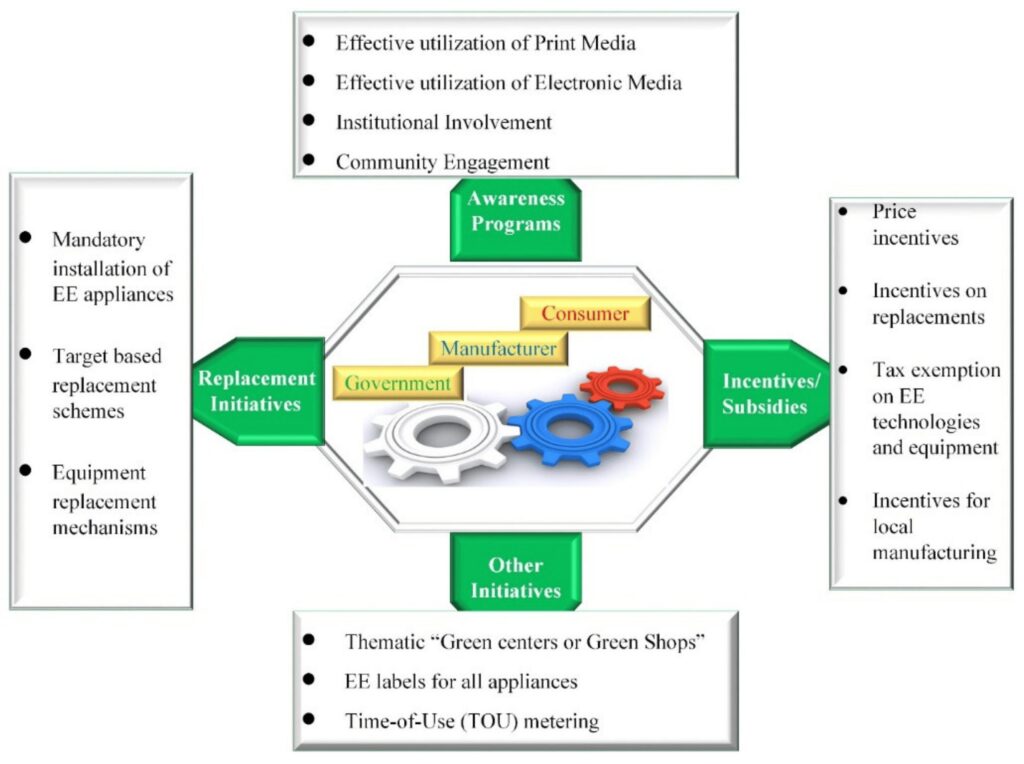
As the world continues to grapple with climate change and rising energy costs, it’s essential to explore ways to reduce our reliance on fossil fuels and lower our utility bills. One effective way to achieve this is by utilizing energy-efficient home appliances. In this article, we’ll delve into the world of energy incentives for home appliances, exploring their benefits, types, eligibility requirements, and how to access them.
Understanding Energy Efficiency
Before diving into energy incentives, it’s crucial to understand the importance of energy efficiency in our daily lives. Energy-efficient home appliances consume less energy, reducing our carbon footprint and helping to combat climate change. Moreover, these appliances can lower our utility bills, saving us money on our monthly expenses.
What are Energy Incentives?
Energy incentives are programs designed to encourage individuals and businesses to purchase energy-efficient home appliances. These incentives come in various forms, including discounts, tax deductions, and rebates. The primary objective of these incentives is to promote energy savings, reduce greenhouse gas emissions, and create a more sustainable environment.
History of Energy Incentives
The concept of energy incentives dates back to the Kyoto Fund, established in 1997 to reduce greenhouse gas emissions. Since then, various countries have implemented their own energy incentive programs, including those for home appliances. The 2012 energy incentives for purchasing new appliances with reduced energy consumption were specifically designed to promote energy savings and encourage individuals and businesses to adopt energy-efficient practices.
How Do Energy Incentives Work?
Energy incentives work by providing discounts or tax deductions to individuals and businesses that purchase energy-efficient home appliances. These incentives can vary depending on the country, state, or region, but generally, they offer a percentage discount on the product price. For example, in Italy, the 2012 energy incentives offered a fixed discount of 20% on eligible products.
Benefits of Energy Incentives
So, what are the benefits of using energy incentives for home appliances? Firstly, these incentives can help reduce energy consumption and lower utility bills. Secondly, they can encourage individuals and businesses to adopt more sustainable practices, thereby reducing greenhouse gas emissions and contributing to a cleaner environment.
What Types of Appliances Qualify for Energy Incentives?
Not all home appliances qualify for energy incentives. Typically, only those with Class A or higher ratings are eligible for discounts or tax deductions. For example:
- Washing machines: must be below Class AAA
- Electric ovens: must have at least Class A rating
- Cooktops: must have an FSD energy-saving device
- Heat pumps: must have a COP 2.5 or higher-rated device
Types of Energy Incentives
There are various types of energy incentives available, including:
- Discounts: fixed discounts on eligible products
- Tax deductions: deductions on utility bills or income tax returns
- Rebates: one-time payments for purchasing energy-efficient appliances
How to Access Energy Incentives
Accessing energy incentives is relatively straightforward. Individuals and businesses can visit their local government website or contact their energy provider to learn more about available incentives. Some energy providers also offer exclusive discounts to their customers.
Eligibility Requirements
Before accessing energy incentives, individuals and businesses must meet specific eligibility requirements. These requirements may vary depending on the country, state, or region but generally include:
- Residency: the individual or business must be a resident of the eligible area
- Property ownership: the individual or business must own the property where the appliances will be used
- Appliance type: only certain types of appliances are eligible for incentives
Claiming Energy Incentives
To claim energy incentives, individuals and businesses typically need to submit a claim form or provide proof of purchase to their local government website or energy provider. The process usually involves:
- Registration: registering the appliance with the energy provider or local government
- Proof of purchase: providing proof of purchase, such as receipts or invoices
- Claim submission: submitting a claim form or online application
- Verification: verifying the eligibility and accuracy of the claim
Conclusion
In conclusion, energy incentives are an excellent way to promote energy savings and encourage individuals and businesses to adopt sustainable practices. By understanding the benefits of energy incentives and how they work, we can take advantage of these programs to reduce our carbon footprint and save money on utility bills.
Frequently Asked Questions (FAQs)
- What is the purpose of energy incentives?
- Energy incentives are designed to promote energy savings, reduce greenhouse gas emissions, and create a more sustainable environment.
- Who can access energy incentives?
- Individuals and businesses can access energy incentives, but eligibility requirements vary depending on the country, state, or region.
- What types of appliances qualify for energy incentives?
- Typically, only those with Class A or higher ratings are eligible for discounts or tax deductions.
- How do I access energy incentives?
- Individuals and businesses can visit their local government website or contact their energy provider to learn more about available incentives.
- What are the benefits of using energy incentives?
- Energy incentives can help reduce energy consumption, lower utility bills, and encourage sustainable practices.
By understanding energy incentives and how they work, individuals and businesses can take advantage of these programs to promote energy savings, reduce greenhouse gas emissions, and contribute to a cleaner environment.


