
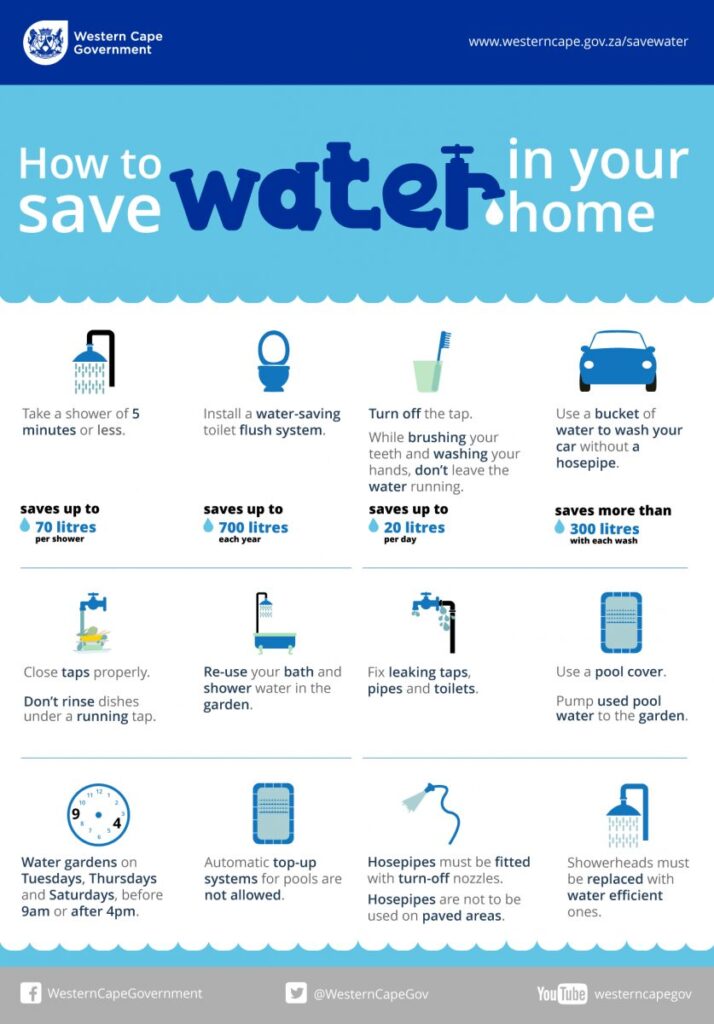
Water conservation is not as simple as energy savings, but there are still effective strategies to implement. Here are 12 ways to save water that will help you make a positive impact on the environment.
1. Adjust Your Dishwasher Settings
The built-in “eco mode” in your dishwasher is often not used effectively. Make sure to switch it on and also disable the drying cycle to let dishes air dry. This simple adjustment can save up to 3 gallons of water per cycle, which translates to significant savings over time.
Many modern dishwashers come with advanced features that can help conserve water. Some models have sensors that detect the size of the load and adjust the water temperature accordingly. Others may have a feature that uses less water for pre-washing or rinsing dishes before the wash cycle begins. Take the time to explore your dishwasher’s settings and see what options are available.
In addition to adjusting your dishwasher’s settings, consider using a dishwashing glove instead of washing dishes by hand. This simple accessory can save up to 2 gallons of water per day and reduce the risk of scalding burns from hot water.
2. Reduce Laundry Loads
Only run full loads in both your washing machine and dryer. This will significantly reduce the amount of water needed for laundry. Running a full load uses significantly less water than running multiple smaller loads, so make sure to prioritize full loads whenever possible.
Another way to conserve water while doing laundry is by using cold water. Cold water uses up to 90% less energy than hot water and can save you money on your utility bills. Consider switching to cold water for your next load of laundry and see how much you can save.
In addition to reducing laundry loads, consider line-drying your clothes instead of using a dryer. Line-drying is an eco-friendly option that uses no electricity or water at all. Simply hang your clothes outside on a clothesline or drying rack, and let the sun do its work.
3. Wash Fruits and Vegetables with a Colander
Instead of washing fruits and vegetables under running water, use a colander to rinse them off. This simple trick can save up to 2 gallons of water per day and reduce the amount of soap or detergent used for washing produce.
To get started, simply place your fruits and vegetables in a colander under cold running water. Use a gentle stream of water to rinse off any dirt or debris, then shake off excess water before placing them in the kitchen sink. By using a colander instead of letting water run, you can save up to 2 gallons of water per day.
4. Collect Rainwater
Use containers to collect rainwater from your roof’s downspout, which can be used to irrigate your garden or lawn. This simple strategy can save up to 3,000 gallons of water per year, depending on the size of your collection system and the amount of rainfall in your area.
To get started, simply attach a rain barrel to your downspout and connect it to a hose that leads directly to your plants. Over time, you’ll find that collecting rainwater becomes an essential part of your gardening routine.
5. Water Plants Wisely
If you live in a dry area, water plants only when necessary and avoid watering during the hottest part of the day (usually between 11 am and 3 pm). This will reduce evaporation and minimize waste.
Another way to conserve water while watering plants is by using a drip irrigation system. Drip irrigation delivers water directly to the roots of the plant, reducing evaporation and runoff. Simply attach a drip irrigation kit to your sprinkler system or install a new irrigation system that uses this technology.
6. Follow a Meat-Free Diet
By eating less meat, you’ll significantly lower your water footprint. Try incorporating plant-based meals into your diet without committing to full-time vegetarianism. Start by substituting one or two meals per week with a plant-based option, and gradually increase the number of plant-based meals as you become more comfortable.
In addition to reducing your water footprint, a meat-free diet can also have numerous health benefits, including lower blood pressure and cholesterol levels. By incorporating more plant-based meals into your diet, you’ll not only be saving water but also improving your overall health.
7. Reduce Paper Waste
Did you know that the production of paper requires a significant amount of water? Reduce paper waste by cancelling subscriptions and directly contacting companies for promotional materials instead of receiving unsolicited junk mail.
Another way to conserve water while reducing paper waste is by switching to digital documents and bills. This simple strategy can save up to 100 pounds of paper per year, depending on your usage habits.
8. Turn Off the Tap While Brushing Your Teeth or Washing Dishes
This one might seem obvious, but it’s surprising how often this simple habit is neglected. Make turning off the tap a part of your daily routine to save water.
To get started, simply install a faucet aerator that reduces water flow while still allowing you to brush your teeth without wasting water. You can also consider installing a hands-free showerhead or faucet that automatically turns off when not in use.
9. Take Shorter Showers
Taking a 30-second shower can save up to 3 liters of water per day. Try setting a timer or using a showerhead with flow-saving features to make it easier.
Another way to conserve water while taking showers is by installing low-flow showerheads. These showerheads use significantly less water than standard models and can save you money on your utility bills over time.
10. Switch to Low-Flow Showerheads and Fix Leaks
Installing low-flow showerheads can significantly reduce water consumption, and fixing leaks promptly will prevent gallons from going down the drain daily.
To get started, simply switch to a low-flow showerhead that uses 2.5 gallons of water per minute or less. You can also consider installing a leak-detection system that alerts you when leaks are detected in your plumbing system.
11. Check Your Plumbing System for Leaks
Regularly inspect your pipes and plumbing system to detect any hidden leaks or cracks that could be wasting precious water.
To get started, simply check your faucets and toilets regularly for signs of leaks or mineral buildup. You can also consider hiring a professional plumber to inspect your plumbing system and identify any areas where water is being wasted.
12. Choose Bottled Water Wisely
Contrary to popular belief, choosing bottled water is not always the most eco-friendly option. In fact, it can require up to 3 liters of water for every liter of bottled water sold.
To get started, simply switch to a reusable water bottle that can be filled at home or on-the-go. This simple strategy can save you money and reduce your water footprint over time.
By implementing these innovative strategies, you’ll not only conserve water but also contribute to a more sustainable future. Every small change adds up, so start making a positive impact today!


