
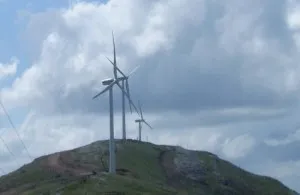
Introduction
Imagine a summer evening where the wind whispers sweet nothings to your ears, and you can feel the electricity humming through the air. This is the reality for some parts of Uruguay, where the wind satisfies up to 80-90% of its energy needs. With over 1000 MW of wind power already in the pipeline, Uruguay is set to become a giant in renewable energy. But how did this small country manage to achieve such remarkable growth?
A History of Clean Energy
Uruguay’s journey towards clean energy began long ago, with projects like the Caracoles Wind Farm, developed by UNDP and the Global Environment Facility in collaboration with the National Energy Directorate. This new-generation wind farm brought 20 MW of power to the table, allowing Uruguay to bid adieu to its dependence on hydroelectric and oil-based power plants.
The country’s commitment to clean energy was further solidified when it became a member of the Latin American Renewable Energy Association (LARENA) in 2006. LARENA aimed to promote the development and use of renewable energy sources, such as wind power, across the region.
The Power of Wind
So, what makes wind power so special? For starters, it’s an economical source of energy that has dropped in cost significantly over the past few years. According to official reports, the cost of wind power now stands at $63.50 per MWh, a remarkable drop from just seven months ago when it was costing $85 per MWh.
Wind power is also becoming increasingly efficient, with modern turbines capable of generating up to 9-10 MW of electricity per hour. This efficiency has enabled Uruguay to produce more energy with less equipment, further reducing costs and increasing profitability for wind farm operators.
A Country Adapting to Climate Change
Uruguay’s focus on wind power is not just about economic gain; it’s also a response to the changing climate. The country has faced several droughts in recent years, which have reduced the available water for hydroelectric power plants. By transitioning to wind power, Uruguay is ensuring that its energy needs will be met, even in the face of unpredictable weather patterns.
Additionally, Uruguay’s location in South America makes it vulnerable to climate change-related natural disasters, such as hurricanes and wildfires. Wind power provides a reliable source of electricity that can withstand these extreme events, further increasing the country’s resilience to climate-related risks.
A National Priority
The Uruguayan government has made a commitment to harnessing the power of the wind, with plans to add 1000 MW of renewable energy by 2015. This ambitious goal is expected to be achieved through several new wind farms, including six projects totaling over 100 MW.
These new projects will not only meet Uruguay’s energy needs but also create jobs and stimulate local economies. The government has announced plans to establish a national office for renewable energy, which will oversee the development and implementation of wind power projects across the country.
From Small Beginnings
Uruguay’s journey towards wind power began in earnest in 2007, when the country started exploring new ways to generate electricity. With only 43 MW of wind power in operation at that time, Uruguay had several projects underway for up to 50 MW. Today, these early endeavors have given way to a plethora of wind farms, each one contributing to the country’s growing renewable energy landscape.
One such project is the Cerro de las Vacas Wind Farm, which was commissioned in 2012 and now generates over 100 MW of electricity. The farm features state-of-the-art turbines that are designed to withstand harsh weather conditions and minimize environmental impact.
A Wind-Fueled Future
As Uruguay looks to the future, it’s clear that wind power will play a major role in shaping its energy landscape. With over 1000 MW of installed capacity on the horizon, this small country is set to become a giant in renewable energy. But what does this mean for other countries looking to follow in Uruguay’s footsteps?
Conclusion
Uruguay’s story serves as a reminder that even the smallest countries can make a big impact when it comes to renewable energy. With its commitment to wind power and clean energy, Uruguay is paving the way for a sustainable future.
As we look to the future, one thing is clear: the wind will continue to whisper sweet nothings to our ears, reminding us of the power of innovation and determination.
Frequently Asked Questions
- What percentage of Uruguay’s energy needs are met by wind power?
Up to 80-90% of Uruguay’s energy needs can be satisfied by wind power, according to official reports.
2. How much did the cost of wind power drop in recent years?
The cost of wind power has dropped from $85 per MWh just seven months ago to $63.50 per MWh today.
3. What is the total installed capacity of Uruguay’s wind farms?
Uruguay aims to achieve a total installed capacity of 1000 MW by 2015, with several new wind farms already in operation.
4. How has climate change impacted Uruguay’s energy needs?
Droughts have reduced the available water for hydroelectric power plants, making wind power an attractive alternative source of energy.
5. What is the role of wind power in Uruguay’s national energy policy?
Wind power is a key component of Uruguay’s renewable energy strategy, with plans to add 1000 MW of capacity by 2015.
6. How has the Caracoles Wind Farm contributed to Uruguay’s clean energy efforts?
The Caracoles Wind Farm brought 20 MW of power to the table, allowing Uruguay to abandon its dependence on hydroelectric and oil-based power plants.
7. What is the significance of Uruguay’s commitment to wind power in terms of job creation?
Uruguay’s wind power projects have created new job opportunities for local communities, contributing to the country’s economic growth.
8. How does Uruguay’s commitment to wind power align with its broader climate change mitigation goals?
Uruguay’s focus on wind power is part of a larger effort to reduce greenhouse gas emissions and mitigate the impacts of climate change.
Additional Resources
- Uruguay’s National Energy Policy
- LARENA: Latin American Renewable Energy Association
- World Bank: Uruguay Renewable Energy Development Project
References
- Ministry of Industry and Energy of Uruguay: “Renewable Energy in Uruguay.”
- International Renewable Energy Agency (IRENA): “Wind Power: A Key Component of Uruguay’s Renewable Energy Strategy.”
- World Bank: “Uruguay Renewable Energy Development Project: An Assessment of the Country’s Renewable Energy Potential.”
By understanding the complexities of wind power and its role in shaping Uruguay’s energy landscape, we can gain valuable insights into the benefits and challenges associated with this rapidly evolving technology.


