
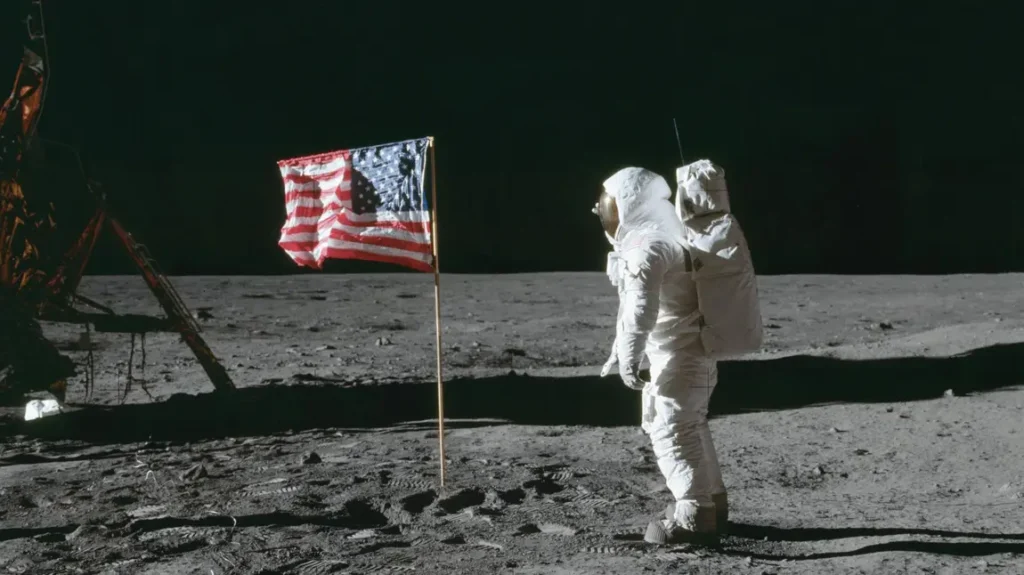
It’s hard to believe it’s been 50 years since Neil Armstrong took his historic first steps on the moon. On July 20, 1969, Armstrong and fellow astronaut Buzz Aldrin became the first humans to set foot on the lunar surface, marking a monumental achievement in space exploration.
As we reflect on this incredible milestone, we’re reminded of why humanity is drawn to space: it’s an uncharted frontier that sparks our imagination and fuels our curiosity. In this article, we’ll delve into 10 fascinating facts about the moon, from its formation to the latest developments in lunar research.
1. The Moon’s Formation: A Cosmic Collision Theory
The prevailing theory is that the moon was formed around 4 billion years ago when a massive object collided with Earth, causing debris to be ejected into orbit and eventually coalesce into the moon we know today. This collision theory suggests that the moon’s composition is largely similar to Earth’s, but with some distinct differences.
2. Lunar Landmarks: From Armstrong to Cernan
Only 12 astronauts have walked on the moon’s surface, including Neil Armstrong, who first set foot on July 20, 1969. The most recent lunar visitor was Eugene Cernan, who left behind a piece of himself on the moon in December 1972. These brave individuals played a crucial role in expanding our understanding of the moon and paving the way for future space exploration.
3. The Saturn V Rocket: A Gigantic Leap for Mankind
The massive Saturn V rocket that propelled Apollo 11 to the moon’s surface stood over 110 meters tall – roughly the same height as the Statue of Liberty or Milan’s Duomo! This behemoth of engineering required an enormous amount of fuel and resources, but its success marked a major milestone in space exploration.
4. Lunar Legends: Searching for Life Beyond Earth
Despite numerous robotic missions, no conclusive evidence of life on the moon has been found. However, scientists continue to explore the possibility of water ice and other resources that could support future human exploration. The search for extraterrestrial life is an intriguing question that continues to captivate our imagination.
5. Moonquakes and Seismic Activity
Moonquakes, caused by tidal forces or asteroid impacts, have revealed hidden secrets about the moon’s internal structure and composition. Researchers are using these data to refine our understanding of the moon’s evolution and better comprehend its geological history.
6. The Moon’s Atmosphere: A Thin but Present Force
Contrary to popular belief, the moon does have a thin atmosphere – known as an exosphere – composed mostly of helium and neon. This presence has significant implications for future lunar missions, including the potential for atmospheric pressure changes that could affect spacecraft navigation.
7. Hidden Treasures on the Lunar Surface
During the Apollo era, astronauts left behind over 100 kilograms (220 pounds) of personal items, including trash, scientific equipment, and even golf balls! Who knows what other secrets lie hidden beneath the moon’s surface? These artifacts provide a fascinating glimpse into the lives of the brave individuals who first set foot on the lunar surface.
8. The Next Frontier: Establishing a Human Presence on the Moon
As we look to the future, NASA and private companies like SpaceX and Blue Origin are working towards establishing sustainable human presence on the moon. This will require significant technological advancements in areas like propulsion systems, life support systems, and radiation protection. A human settlement on the moon could serve as a stepping stone for further space exploration and potentially even interplanetary travel.
9. Lunar Resources: Unlocking the Moon’s Economic Potential
The moon is believed to harbor significant resources, including helium-3, a rare isotope that could be used as fuel for nuclear fusion reactors. As we explore the moon’s surface, we may uncover new opportunities for sustainable energy production and potentially even lunar-based industries.
10. The Moon’s Role in Human History: A Symbol of Exploration and Discovery
The moon has captivated human imagination since ancient times, inspiring countless myths, legends, and scientific discoveries. As we celebrate the 50th anniversary of the first lunar landing, we’re reminded of the power of exploration to shape our understanding of the universe and ourselves.
Conclusion: Embracing the Next Chapter in Lunar Exploration
As we reflect on these fascinating facts about the moon, we’re reminded of the incredible journey that has brought us to this point. The next chapter in lunar exploration promises to be just as exciting, with new technologies, discoveries, and possibilities waiting to be uncovered.
Frequently Asked Questions (FAQs)
-
Q: Can humans live on the moon without protection?
A: No, the harsh conditions on the moon’s surface, including extreme temperatures, radiation, and lack of atmosphere, make it impossible for humans to survive without adequate shielding and life support systems. -
Q: Is there water on the moon?
A: Yes, NASA has confirmed the presence of water ice in certain regions of the moon, which could be used as a resource for future missions. -
Q: Can we communicate with spacecraft from Earth?
A: Yes, modern communication systems allow for near-instant communication between Earth and spacecraft, enabling real-time data transmission and mission control. -
Q: How long will it take to get back to the moon after landing?
A: The duration of a lunar mission depends on various factors, including the specific spacecraft design, trajectory, and fuel efficiency, but typically ranges from 3 to 14 days. -
Q: Can we establish a permanent human settlement on the moon?
A: While there are significant technological challenges to overcome, researchers believe it’s theoretically possible to establish a sustainable human presence on the moon within the next few decades.
Additional Resources
- NASA’s Lunar Exploration Program
- European Space Agency’s Lunar Lander Challenge
- SpaceX’s Starship Program
- Blue Origin’s New Armstrong Program
In conclusion, the moon remains an enigmatic and captivating celestial body that continues to inspire scientific inquiry and human exploration. As we celebrate this milestone anniversary, we’re reminded of the incredible progress made in lunar research and the boundless potential for future discoveries waiting to be uncovered.
The Future of Lunar Exploration
As we look ahead to the next chapter in lunar exploration, we can expect significant advancements in technology, infrastructure, and our understanding of the moon’s surface. Some exciting developments on the horizon include:
- The establishment of a permanent human presence on the moon by the mid-2020s
- The deployment of NASA’s Artemis program, which aims to return humans to the lunar surface by 2024
- The launch of private companies like SpaceX and Blue Origin’s lunar missions, which could potentially establish a sustainable human presence on the moon within the next decade
As we embark on this exciting journey, we’re reminded that the moon is just the beginning – the universe holds countless secrets waiting to be uncovered. The pursuit of knowledge and exploration will continue to drive human progress, inspiring future generations to reach for the stars.
Epilogue: A New Frontier Dawns
The 50th anniversary of the first lunar landing marks a significant milestone in human history. As we look to the future, we’re reminded that the moon is just the beginning – a stepping stone for further space exploration and potentially even interplanetary travel. The next chapter in lunar exploration promises to be just as exciting, with new technologies, discoveries, and possibilities waiting to be uncovered.
As we gaze up at the moon’s pale surface, we’re filled with a sense of wonder and awe at the vastness of the universe and our place within it. The pursuit of knowledge and exploration will continue to drive human progress, inspiring future generations to reach for the stars. The next chapter in lunar exploration has begun – let us embark on this exciting journey together, driven by curiosity, innovation, and a shared passion for discovery.


