
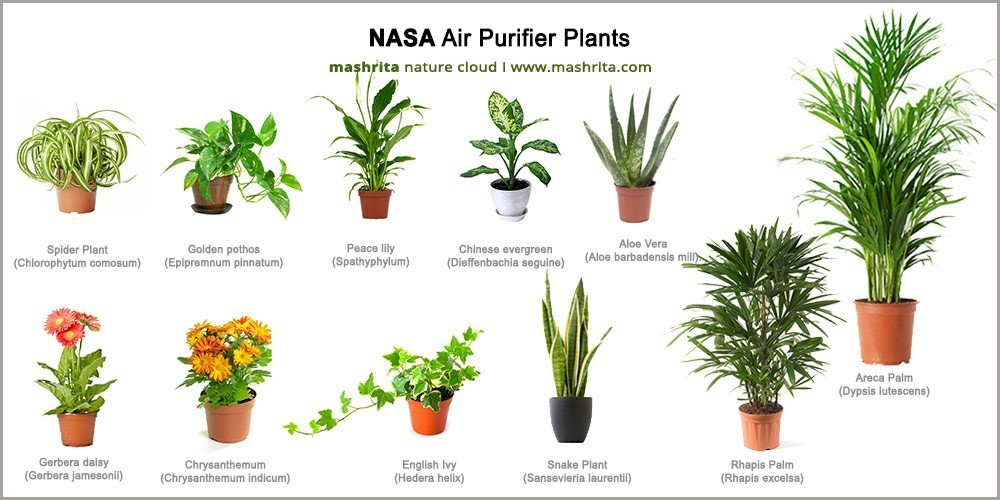
As we go about our daily lives, it’s easy to forget that the air we breathe is not just clean, but also healthy. The pollutants and toxins present in the air can have serious consequences on our well-being, from respiratory issues to long-term damage to our bodies. But what if you could harness the power of nature to purify the air in your home? Look no further than these 10 incredible plants that not only add a touch of elegance to your space, but also work tirelessly to clean the air.
The Importance of Ventilation
Before we dive into the world of air-purifying plants, let’s talk about the importance of ventilation. Just as our cars need regular tune-ups to run smoothly, our homes need regular “tune-ups” too. This means opening your windows for at least 10 minutes a day to allow fresh, clean air to circulate and stale air to escape.
But why is ventilation so crucial? Well, it’s not just about feeling good; it’s also about preventing the growth of mold and mildew on walls and ceilings. These pesky organisms thrive in damp environments and can release toxic spores into the air, making our homes unhealthy spaces. And let’s not forget about bathroom fumes, cooking vapors, and cigarette smoke – all of which need to be expelled regularly to restore healthier air.
Nature’s Air Purifiers
So, how do plants help purify the air? It’s quite simple, really. Through a process called photosynthesis, plants absorb carbon dioxide and release oxygen during the day. At night, they do the opposite, absorbing oxygen and releasing carbon dioxide. This natural cycle not only cleans the air but also humidifies and purifies the environment.
The Science Behind Air Purification
But how exactly do these plants work their magic? The answer lies in the chlorophyll within their leaves. Chlorophyll is a green pigment that helps plants absorb sunlight, which is necessary for photosynthesis. But did you know that it also has antimicrobial properties? That’s right – when we breathe in the oxygen produced by these plants, we’re not only getting clean air; we’re also inhaling a natural defense against bacteria and other microorganisms.
10 Plants to Transform Your Home
Now that we’ve covered the basics of air purification, let’s get to the good stuff – the plants! Here are 10 incredible species that will not only purify the air but also add a touch of elegance to your home:
- Aloe Vera: This robust plant requires minimal watering and maintenance, making it perfect for busy homeowners. It prefers moderate temperatures and can tolerate high temperatures, but be sure to keep it away from radiators during winter.
- Chamaedorea (Kenzia): Also known as the “Mother-in-Law’s Tongue,” this plant is incredibly resilient and requires little water. It’s particularly effective at removing benzene and formaldehyde.
- Chrysanthemum: This beautiful flower absorbs trielina and ammonia, making it a great addition to any room.
- Dracaena Compact: This compact plant is perfect for small spaces and absorbs benzene, formaldehyde, and trichloroethylene.
- Dracaena marginata: Similar to its compact cousin, this plant also absorbs trichloroethylene and benzene.
- Edera: This low-maintenance plant is a great choice for those new to air-purifying plants, as it effectively removes benzene and trichloroethylene.
- Ficus beniamina: With its beautiful leaves and elegant shape, this plant is perfect for any room. It absorbs formaldehyde but requires plenty of light and cannot tolerate air currents.
- Gerbera: This cheerful flower not only purifies the air but also brightens up any space with its vibrant colors. It absorbs trielina, carbon monoxide, and benzene.
- Pothos: Perfect for low-light areas, this versatile plant absorbs formaldehyde and is easy to care for.
- Philodendron (Spatillo): With its beautiful heart-shaped leaves, this plant is a great choice for any room. It absorbs benzene and formaldehyde.
Tips for Keeping Your Air-Purifying Plants Happy
So, how do you keep your air-purifying plants happy and thriving? Here are some tips to get you started:
- Place them in a sunny spot (but not too close to heating or air conditioning units)
- Water them sparingly – overwatering can lead to root rot
- Fertilize regularly to promote healthy growth
- Prune them regularly to maintain shape and encourage new growth
Conclusion
There you have it – 10 incredible air-purifying plants that will transform your home into a healthier, happier space. By harnessing the power of nature, we can breathe easier, sleep better, and live longer. So go ahead, add some greenery to your home, and start purifying the air today!
Frequently Asked Questions
- Q: How often should I open my windows for ventilation?
A: Aim for at least 10 minutes a day, ideally more if possible. - Q: Can I use any plant for air purification?
A: While many plants can help purify the air, some are more effective than others. Choose plants that are known to absorb pollutants and toxins. - Q: How often should I water my air-purifying plant?
A: Overwatering is a common mistake! Water sparingly, allowing the soil to dry out slightly between waterings. - Q: Can I use an air purifier instead of plants?
A: While air purifiers can be effective, they don’t offer the same natural benefits as air-purifying plants. Plus, they can be noisy and expensive! - Q: How do air-purifying plants work their magic?
A: Through photosynthesis, these plants absorb carbon dioxide and release oxygen, which is then inhaled by humans. - Q: Can I use air-purifying plants in low-light areas?
A: Yes! Many air-purifying plants can thrive in low-light conditions, making them perfect for rooms with limited natural light. - Q: How long does it take for air-purifying plants to show results?
A: While it may not be immediate, you’ll start to notice a difference within weeks of having an air-purifying plant in your home. - Q: Can I propagate my air-purifying plant?
A: Yes! Many air-purifying plants can be easily propagated through leaf or stem cuttings, making it easy to share with friends and family.
The Benefits of Air-Purifying Plants
In addition to purifying the air, these plants also offer a range of other benefits. Here are just a few:
- Improved mental health: Studies have shown that being around plants can reduce stress and anxiety levels.
- Boosted mood: The calming effects of nature can help improve our mood and overall sense of well-being.
- Increased productivity: Working in a space with air-purifying plants has been shown to increase focus and concentration.
- Reduced allergy symptoms: Some plants, like Aloe Vera, have anti-inflammatory properties that can help reduce allergy symptoms.
Conclusion
In conclusion, air-purifying plants are not just a decorative addition to your home; they’re also an essential tool for creating a healthier, happier space. By harnessing the power of nature, we can breathe easier, sleep better, and live longer. So why wait? Add some greenery to your home today and start purifying the air!
Recommendations for Incorporating Air-Purifying Plants into Your Home
Here are some recommendations for incorporating air-purifying plants into your home:
- Start with a few: Begin with one or two plants and see how they perform before adding more.
- Choose the right location: Place plants in areas where they can absorb pollutants and toxins, such as near windows or doors.
- Water sparingly: Overwatering can lead to root rot and other problems. Water your plants sparingly, allowing the soil to dry out slightly between waterings.
- Fertilize regularly: Regular fertilization will help promote healthy growth and ensure that your plants continue to purify the air effectively.
By following these tips and recommendations, you’ll be well on your way to creating a healthier, happier space with air-purifying plants. Happy planting!


